Raspberry Balsamic Salmon – A Bright, Savory-Sweet Weeknight Favorite
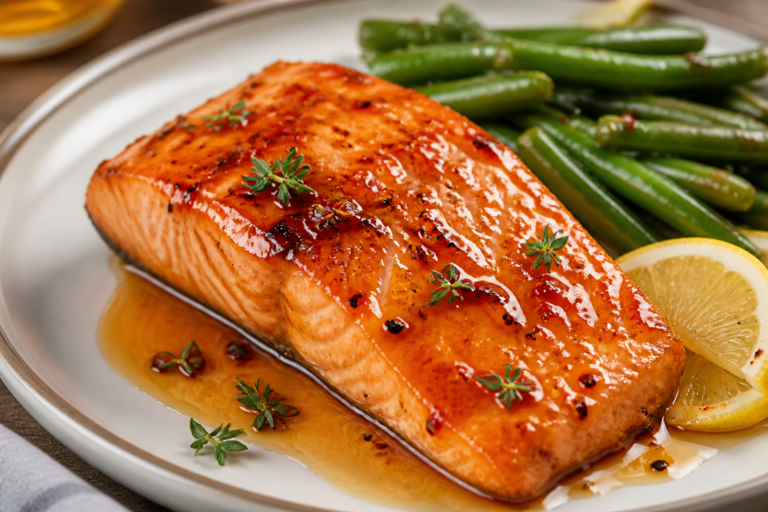
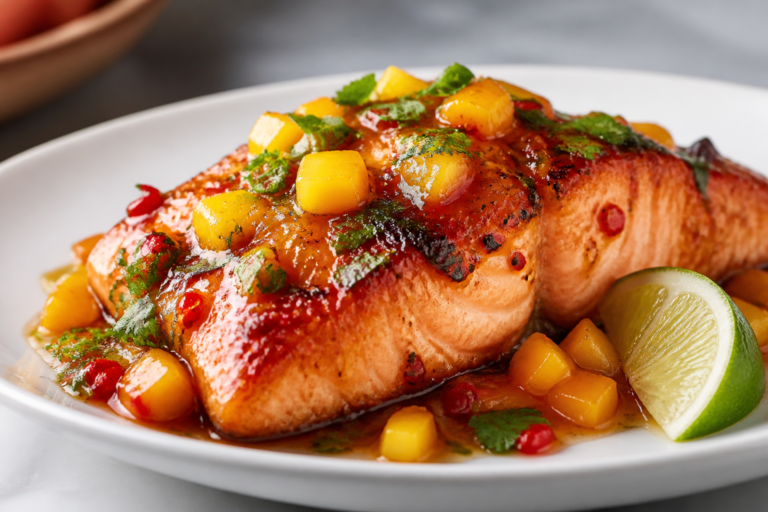
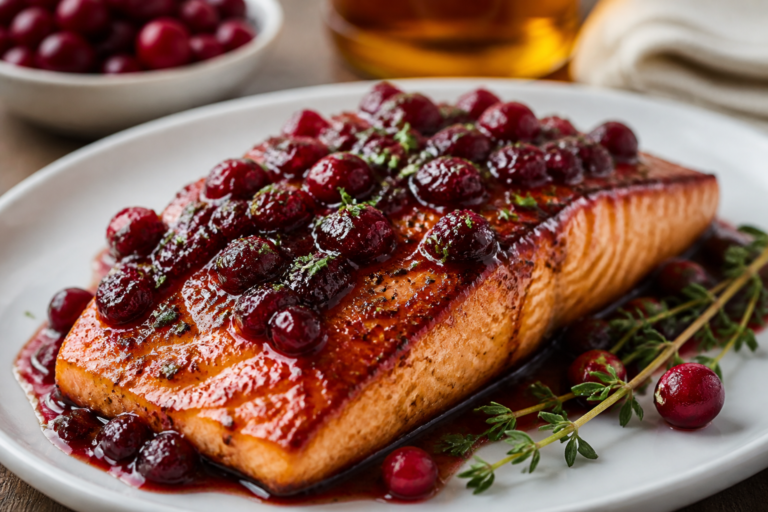
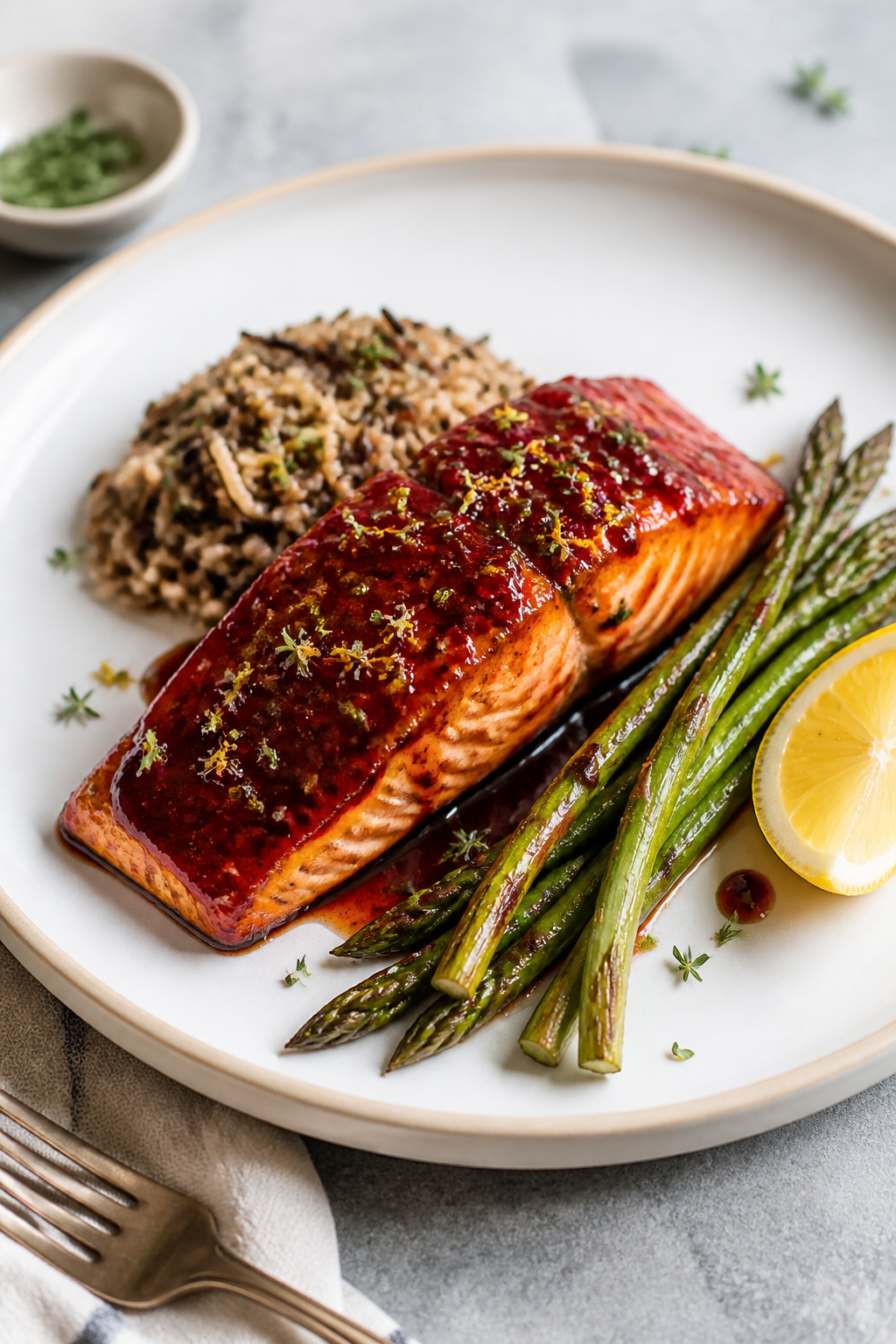
Raspberry Balsamic Salmon brings a fresh twist to a simple salmon dinner. The sauce is tangy, slightly sweet, and glossy, and it complements the rich, buttery fish without overpowering it. You’ll get big flavor with minimal effort, and the whole thing comes together in under 30 minutes.
FREE 7-Day Easy Dinner Reset
FREE 7-Day Easy Dinner Reset
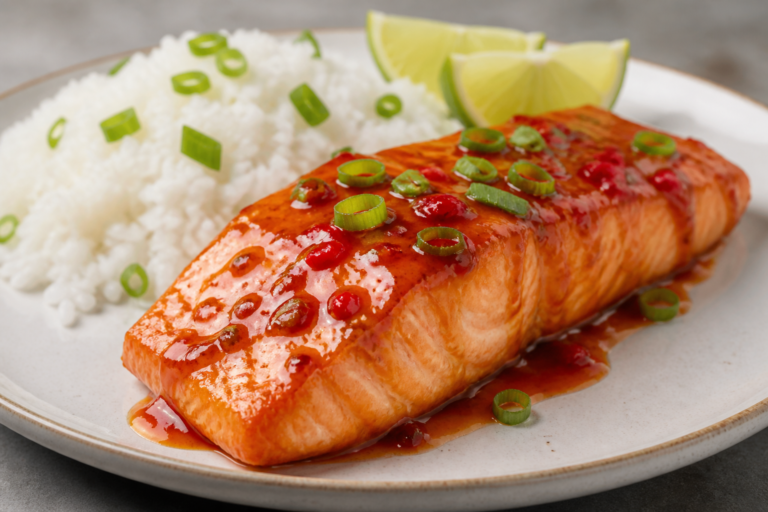
It’s easy enough for a weeknight and elegant enough for company. Serve it with a crisp salad, roasted veggies, or fluffy rice, and you’ve got a balanced, beautiful meal.
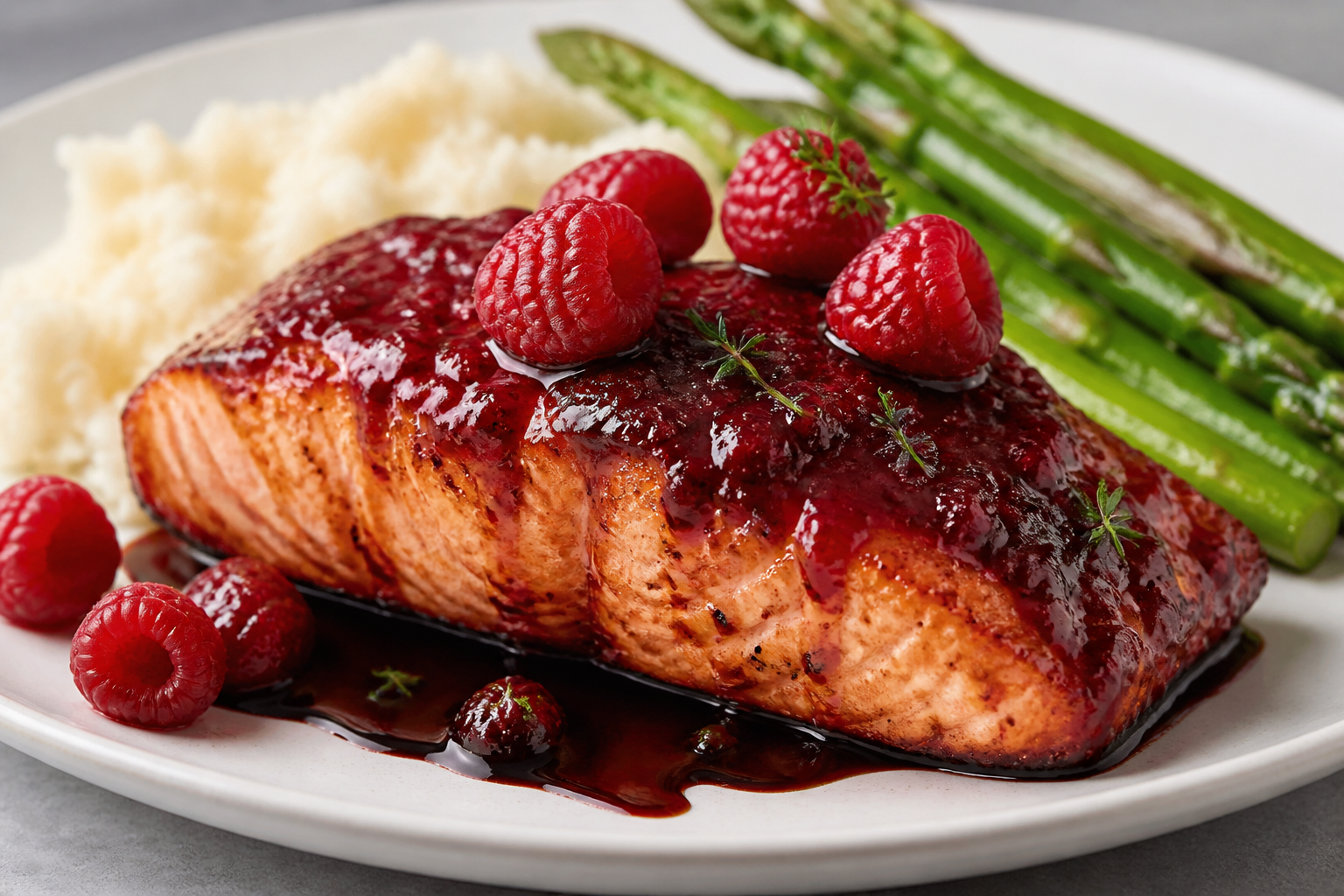
Raspberry Balsamic Salmon - A Bright, Savory-Sweet Weeknight Favorite
Ingredients
Method
- Prep the salmon: Pat the fillets dry with paper towels. Season both sides with salt and pepper.Dry surfaces help you get a good sear and prevent sticking.
- Make the raspberry balsamic base: In a small saucepan, combine raspberries, balsamic vinegar, honey (or maple), Dijon, garlic, and lemon zest. Stir and set aside. You’ll reduce this after the salmon starts cooking.
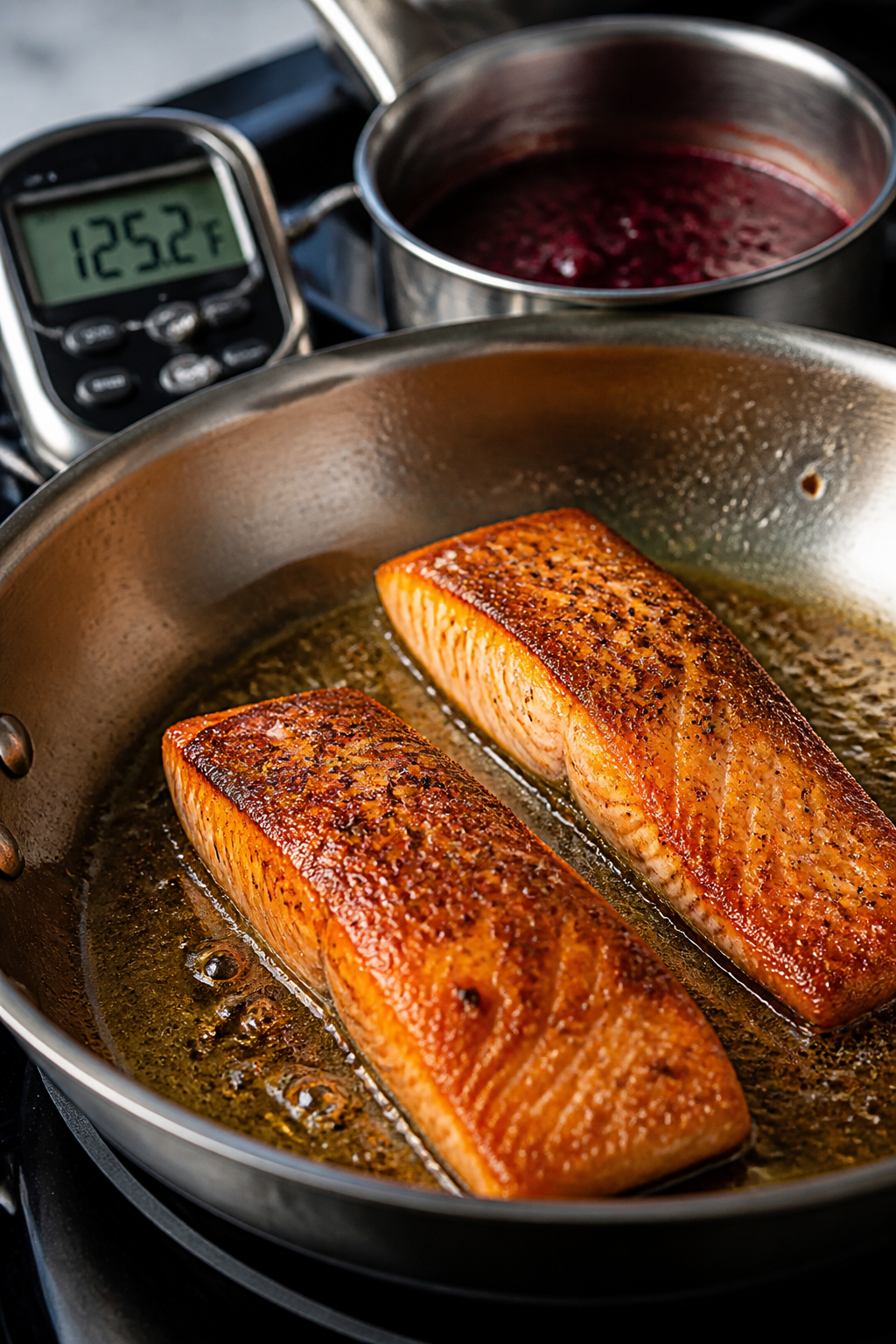
- Sear the salmon: Heat the olive oil in a large skillet over medium-high heat until it shimmers.Add salmon, presentation side down (the side that was skinless or the side you want facing up when served). Cook for 3–4 minutes without moving it to develop a golden crust.
- Flip and finish: Carefully flip the salmon. Cook another 2–4 minutes, depending on thickness, until the internal temperature reaches 125–130°F for medium (or to your preferred doneness).Transfer salmon to a plate and tent loosely with foil.
- Reduce the sauce: Place the saucepan with the raspberry mixture over medium heat. Bring to a simmer and cook, stirring occasionally, until the raspberries break down and the sauce thickens, about 4–6 minutes. It should coat the back of a spoon.
- Strain if you like: For a smoother sauce, push the mixture through a fine mesh strainer into a clean bowl, discarding seeds and pulp.This step is optional but gives a sleek, glossy finish.
- Finish with butter: Return the strained sauce to low heat (or keep it in the pot if you skipped straining). Whisk in the butter until the sauce looks shiny and slightly thick. Taste and adjust: add a pinch of salt, a touch more honey for sweetness, or a splash of balsamic for extra tang.
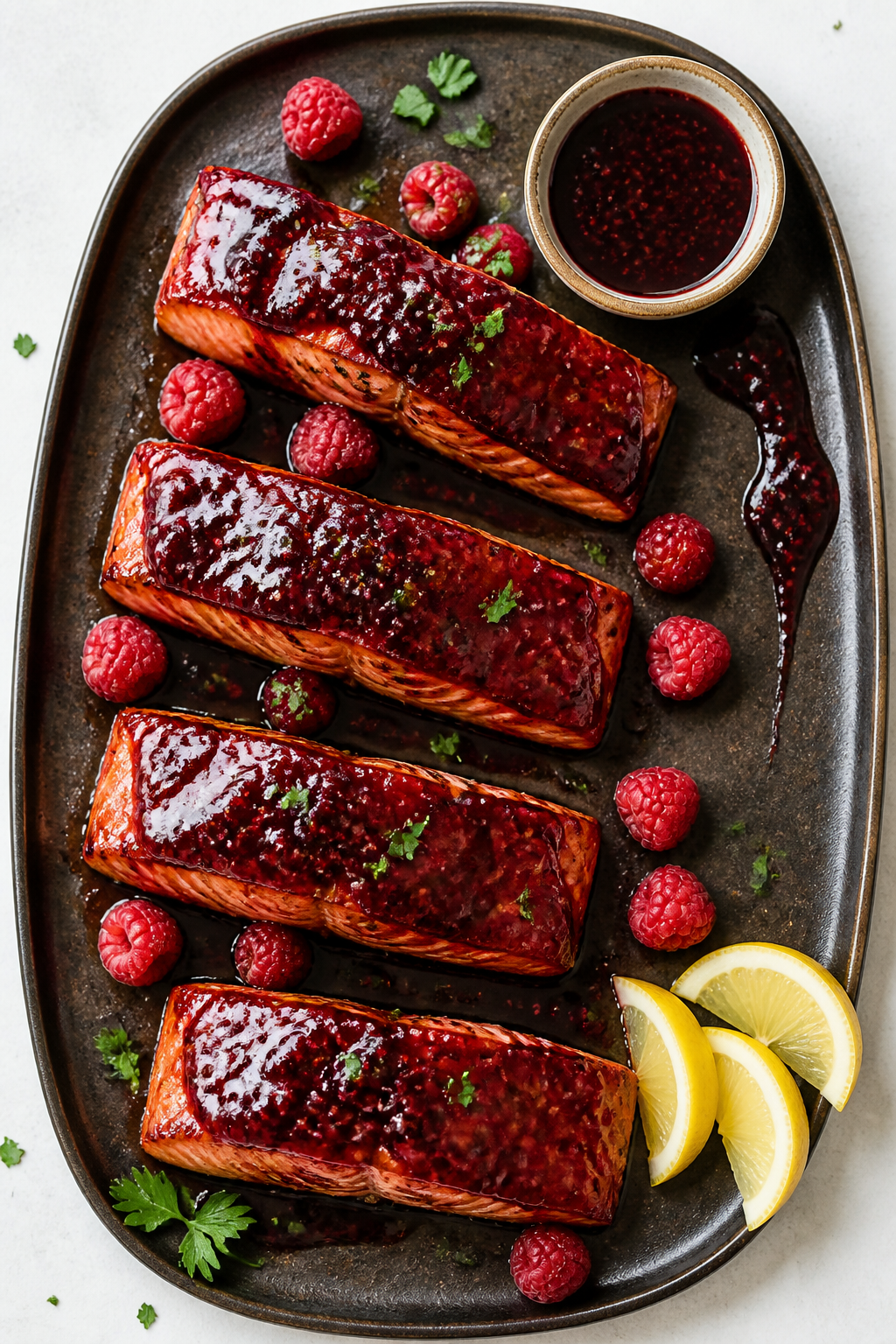
- Glaze and serve: Spoon the warm sauce over the salmon.Garnish with chopped thyme or parsley and serve with lemon wedges. A light squeeze of lemon at the table brightens every bite.
What Makes This Special
This recipe blends everyday ingredients into a sauce that tastes restaurant-worthy. Raspberries and balsamic vinegar reduce into a jammy glaze that clings to the salmon, while a touch of Dijon adds gentle heat and depth.
Because the sauce cooks quickly on the stove, you can control sweetness and tang to your taste. And unlike heavy cream sauces, this one feels light and bright, perfect for highlighting salmon’s natural richness.
Ingredients
- 4 salmon fillets (about 5–6 ounces each), skin-on or skinless
- 1 tablespoon olive oil
- Salt and black pepper, to taste
- 1 cup fresh or frozen raspberries (no need to thaw if frozen)
- 1/4 cup balsamic vinegar
- 2 tablespoons honey or maple syrup (adjust to taste)
- 1 teaspoon Dijon mustard
- 1 clove garlic, finely minced
- 1 teaspoon lemon zest (optional, but brightens the sauce)
- 1 tablespoon unsalted butter (for finishing the sauce)
- Fresh thyme or parsley, chopped, for garnish (optional)
- Lemon wedges, for serving
Step-by-Step Instructions
- Prep the salmon: Pat the fillets dry with paper towels. Season both sides with salt and pepper.
Dry surfaces help you get a good sear and prevent sticking.
- Make the raspberry balsamic base: In a small saucepan, combine raspberries, balsamic vinegar, honey (or maple), Dijon, garlic, and lemon zest. Stir and set aside. You’ll reduce this after the salmon starts cooking.
- Sear the salmon: Heat the olive oil in a large skillet over medium-high heat until it shimmers.
Add salmon, presentation side down (the side that was skinless or the side you want facing up when served). Cook for 3–4 minutes without moving it to develop a golden crust.
- Flip and finish: Carefully flip the salmon. Cook another 2–4 minutes, depending on thickness, until the internal temperature reaches 125–130°F for medium (or to your preferred doneness).
Transfer salmon to a plate and tent loosely with foil.
- Reduce the sauce: Place the saucepan with the raspberry mixture over medium heat. Bring to a simmer and cook, stirring occasionally, until the raspberries break down and the sauce thickens, about 4–6 minutes. It should coat the back of a spoon.
- Strain if you like: For a smoother sauce, push the mixture through a fine mesh strainer into a clean bowl, discarding seeds and pulp.
This step is optional but gives a sleek, glossy finish.
- Finish with butter: Return the strained sauce to low heat (or keep it in the pot if you skipped straining). Whisk in the butter until the sauce looks shiny and slightly thick. Taste and adjust: add a pinch of salt, a touch more honey for sweetness, or a splash of balsamic for extra tang.
- Glaze and serve: Spoon the warm sauce over the salmon.
Garnish with chopped thyme or parsley and serve with lemon wedges. A light squeeze of lemon at the table brightens every bite.
How to Store
Leftover salmon keeps well for up to 2 days in the refrigerator. Store the fish and sauce separately in airtight containers, if possible.
Reheat gently in a skillet over low heat or in the microwave at 50% power in short bursts to avoid drying it out. The sauce may thicken as it cools; thin with a teaspoon of water or a squeeze of lemon when reheating. This recipe is not ideal for freezing once cooked, as the sauce and texture can change.
Benefits of This Recipe
- Fast and flexible: From stove to table in under 30 minutes, with easy swaps based on what you have.
- Balanced flavor: Tangy, sweet, and savory elements create a well-rounded bite that pairs with many sides.
- Nutrient-dense: Salmon brings protein and omega-3s; raspberries add antioxidants and natural sweetness.
- Company-worthy presentation: The glossy berry glaze looks elegant without extra effort.
- Light but satisfying: You get richness from salmon and a bright sauce without heavy cream.
Pitfalls to Watch Out For
- Overcooking the salmon: It can go from perfect to dry quickly.
Pull it at 125–130°F and rest briefly.
- Burning the glaze: Balsamic and honey can scorch. Keep the sauce at a gentle simmer, not a rolling boil.
- Too tart or too sweet: Taste and tweak. Add a splash of balsamic for tang or a teaspoon of honey to balance.
- Skipping the dry pat: If the salmon surface is wet, you won’t get that nice sear.
Pat thoroughly before seasoning.
- Not straining (if you prefer smooth): Raspberry seeds are noticeable. Strain for a restaurant-style finish.
Variations You Can Try
- Sheet pan version: Roast salmon at 400°F for 10–12 minutes and reduce the raspberry balsamic sauce separately on the stove. Spoon over before serving.
- Grilled salmon: Brush the fillets with oil, grill over medium heat 3–4 minutes per side, and glaze with warmed sauce at the end.
- Spice it up: Add a pinch of red pepper flakes or a dash of hot sauce to the sauce for gentle heat.
- Herb-forward: Stir in fresh chopped thyme, tarragon, or basil right before serving for a fragrant finish.
- Citrus twist: Replace lemon zest with orange zest and add a splash of fresh orange juice to the sauce.
- Lower sugar: Reduce honey to 1 tablespoon and lean on the raspberries’ natural sweetness.
- Different berries: Try blackberries or a raspberry-blackberry mix.
Adjust sweetener as needed.
FAQ
Can I use frozen salmon?
Yes. Thaw it overnight in the fridge or use the quick-thaw method (sealed in a bag under cold running water). Pat very dry before cooking to ensure a good sear.
What sides go best with Raspberry Balsamic Salmon?
Stop wondering what's for dinner.
Get 7 healthy, family-friendly dinners complete with recipes and simple meal plans delivered straight to your inbox.
Try roasted asparagus, green beans, or Brussels sprouts.
For carbs, pair with wild rice, quinoa, or creamy mashed potatoes. A simple arugula salad with shaved Parmesan also works well.
Do I have to strain the raspberry sauce?
No, but straining removes seeds and gives a smoother texture. If you prefer a rustic look and don’t mind seeds, skip it.
How do I know when the salmon is done?
The fillet should flake easily and look slightly translucent in the center for medium.
Use a thermometer for accuracy: 125–130°F is a sweet spot for tender, juicy salmon.
Can I make the sauce ahead?
Yes. Make it up to 3 days in advance and store it in the fridge. Rewarm gently and whisk in a splash of water if it thickens too much.
Is there a substitute for honey?
Maple syrup works well and adds a subtle caramel note.
You can also use brown sugar, starting with 1.5 tablespoons and adjusting to taste.
Will this work with other fish?
Yes. Try it with trout, arctic char, or even chicken breasts. Thinner fish may cook faster, so keep an eye on timing.
What kind of balsamic should I use?
Choose a mid-range balsamic that’s smooth and slightly sweet.
You don’t need an expensive aged vinegar for cooking, but avoid very harsh, acidic varieties.
How can I make it dairy-free?
Skip the butter at the end and whisk in a teaspoon of olive oil instead. The sauce will still be glossy and flavorful.
Can I cook the salmon in the oven only?
Absolutely. Bake at 400°F for 10–12 minutes (depending on thickness).
Reduce the sauce on the stove and pour it over right before serving.
Final Thoughts
Raspberry Balsamic Salmon is proof that a few smart ingredients can turn a simple dinner into something memorable. The sauce is quick, flexible, and easy to tweak, so it’s friendly for both new and experienced cooks. Keep a bag of frozen raspberries on hand, and you’re halfway there.
Once you taste how the bright glaze plays against the rich salmon, this recipe will earn a regular spot in your rotation.
Printable Recipe Card
Want just the essential recipe details without scrolling through the article? Get our printable recipe card with just the ingredients and instructions.
Loved This Recipe?
If you're looking for more simple, healthy dinners your family will actually eat, grab my FREE 7-Day Easy Dinner Reset. You'll get 7 easy dinner recipes, simple grocery lists, and a done-for-you plan that takes the stress out of mealtime.