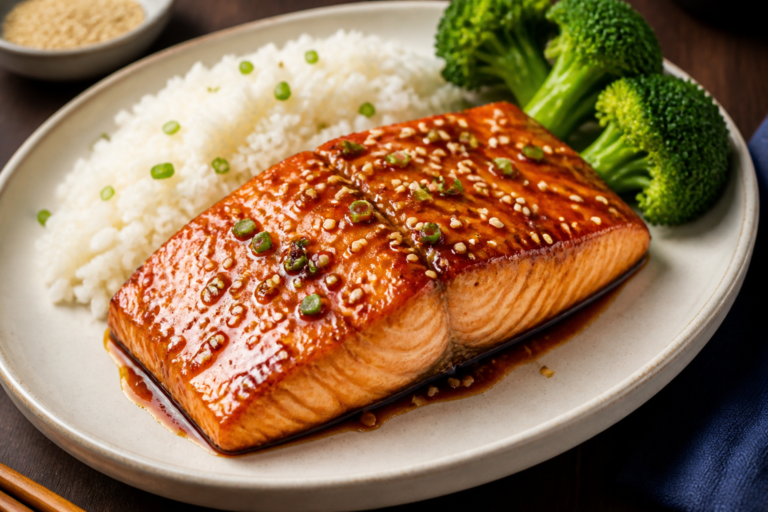
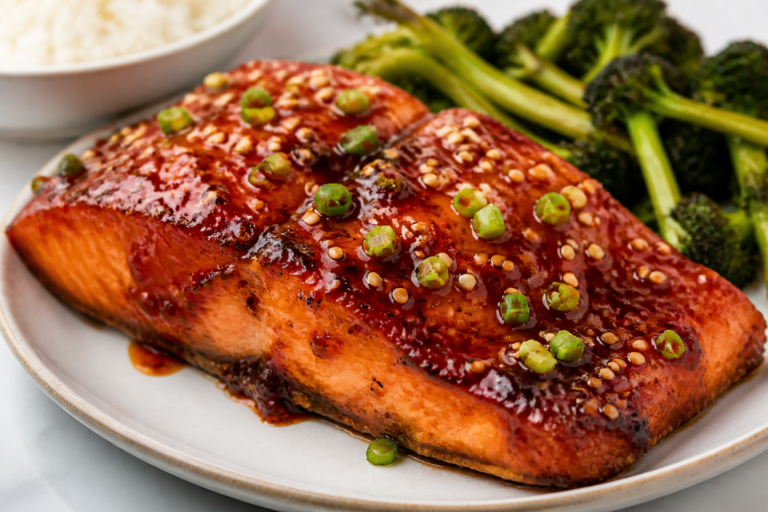
Hibachi Style Salmon – Fast, Flavorful, and Fun to Cook
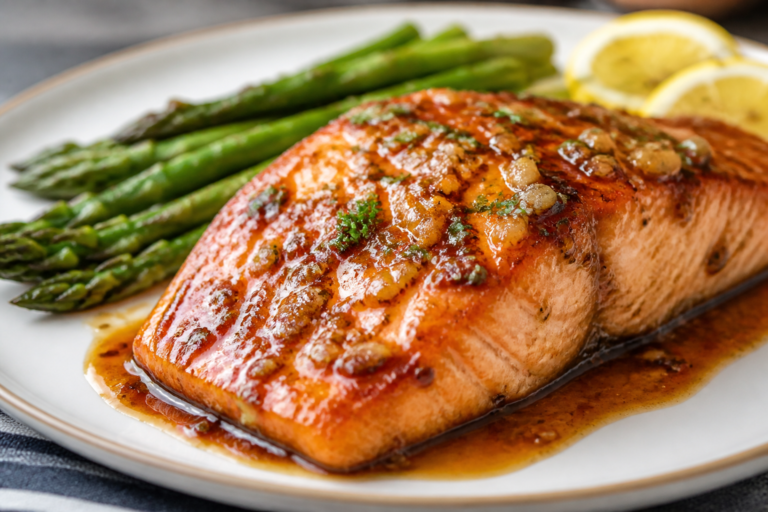
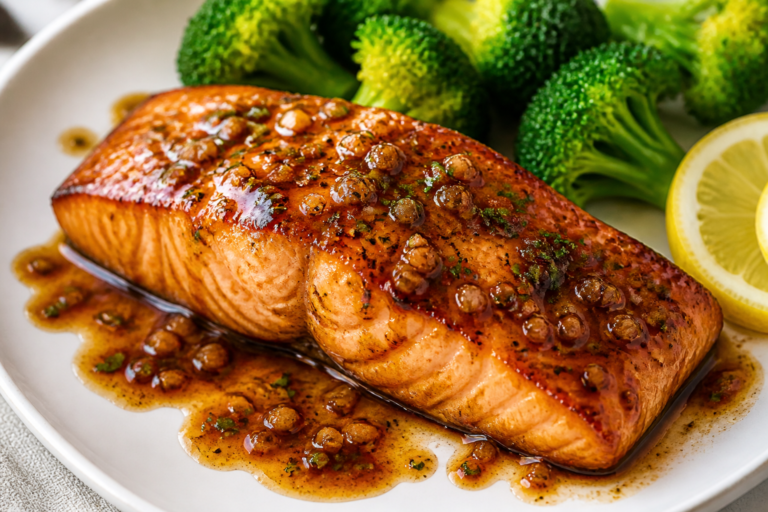
If you love the smoky-sweet flair of a hibachi grill but want something quick for a weeknight, this hibachi style salmon hits the spot. It’s juicy, lightly charred, and coated in a buttery soy glaze that tastes like a night out—without the wait. The best part is how fast it comes together on a skillet or griddle.
FREE 7-Day Easy Dinner Reset
FREE 7-Day Easy Dinner Reset
You’ll get crisp edges, tender flakes, and that signature savory aroma in under 30 minutes. Pair it with fried rice and a drizzle of yum-yum sauce and you’ve got a complete, crowd-pleasing meal.
Hibachi Style Salmon - Fast, Flavorful, and Fun to Cook
Ingredients
Method
- Pat the salmon dry. Moisture is the enemy of a good sear.Use paper towels to dry the fillets thoroughly. Season both sides with a pinch of salt and black pepper.
- Make the quick hibachi sauce. In a small bowl, stir together 3 tablespoons soy sauce, 1 tablespoon butter (softened), 1–2 teaspoons brown sugar or honey, 1 teaspoon rice vinegar or mirin, 1 minced garlic clove, 1 teaspoon grated ginger, and a few drops of sesame oil. Set aside.
- Preheat your pan. Heat a large cast-iron skillet, flat-top griddle, or heavy nonstick pan over medium-high heat until very hot.Add 1 tablespoon neutral oil and swirl to coat.
- Sear the salmon. Place the fillets in the pan, presentation side down (the side that was facing out if skinless). Don’t move them for 3–4 minutes, until a golden crust forms and the fish releases easily.
- Flip and lower the heat. Turn the salmon carefully. Reduce heat to medium.Cook another 2–4 minutes, depending on thickness, until almost at your preferred doneness.
- Add the sauce and baste. Drop in the sauce and the remaining 1 tablespoon butter. It will sizzle. Spoon the bubbling sauce over the salmon repeatedly for 30–60 seconds to glaze and finish cooking.
- Check doneness. For medium, look for opaque edges and slightly translucent centers, about 125–130°F internal temperature.Adjust to your preference.
- Finish with lemon. Squeeze a little lemon over the fish to brighten the flavors. Sprinkle sesame seeds and sliced scallions.
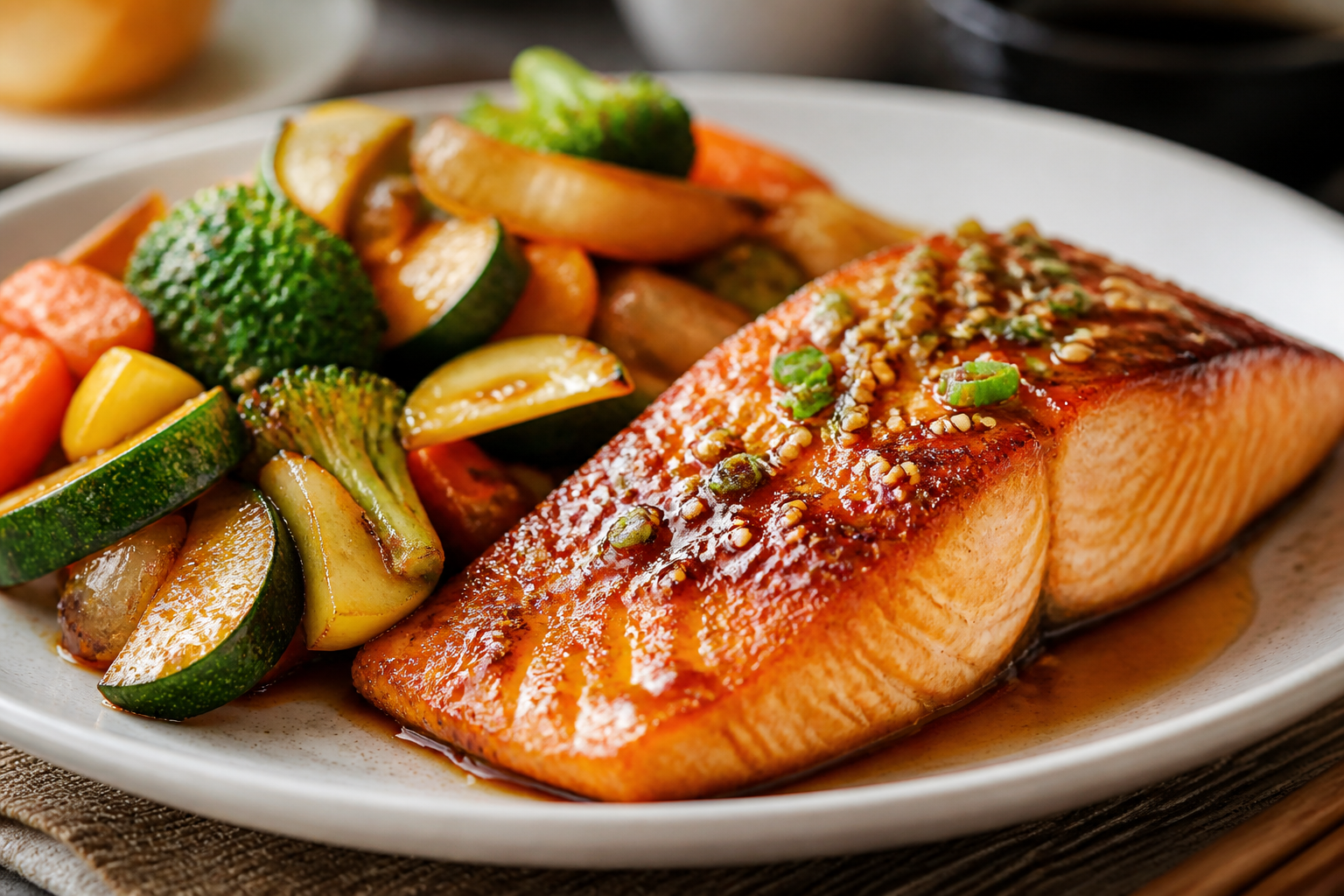
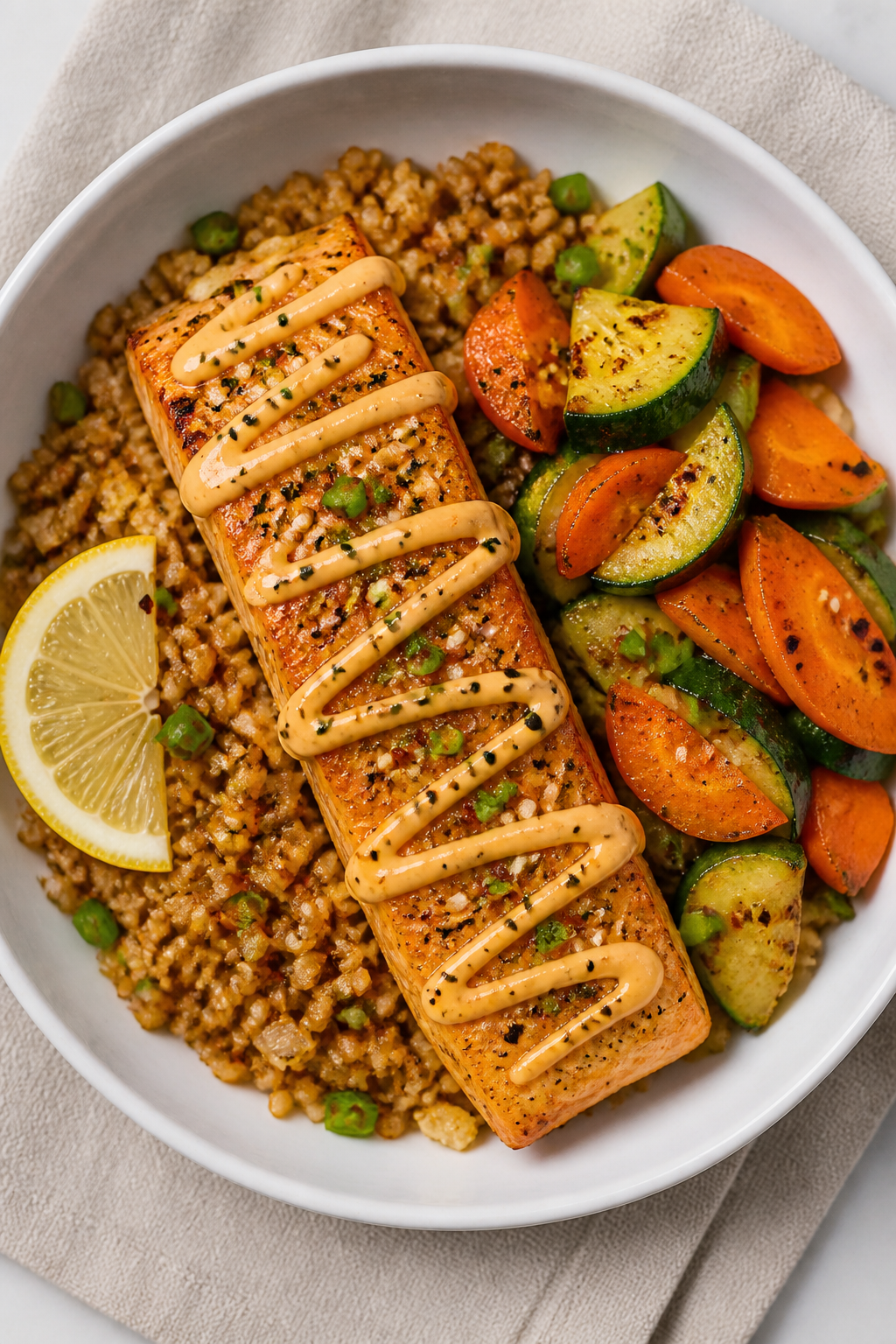
- Serve right away. Plate with rice and quick-sautéed veggies. Spoon any extra pan sauce over the top.
Why This Recipe Works
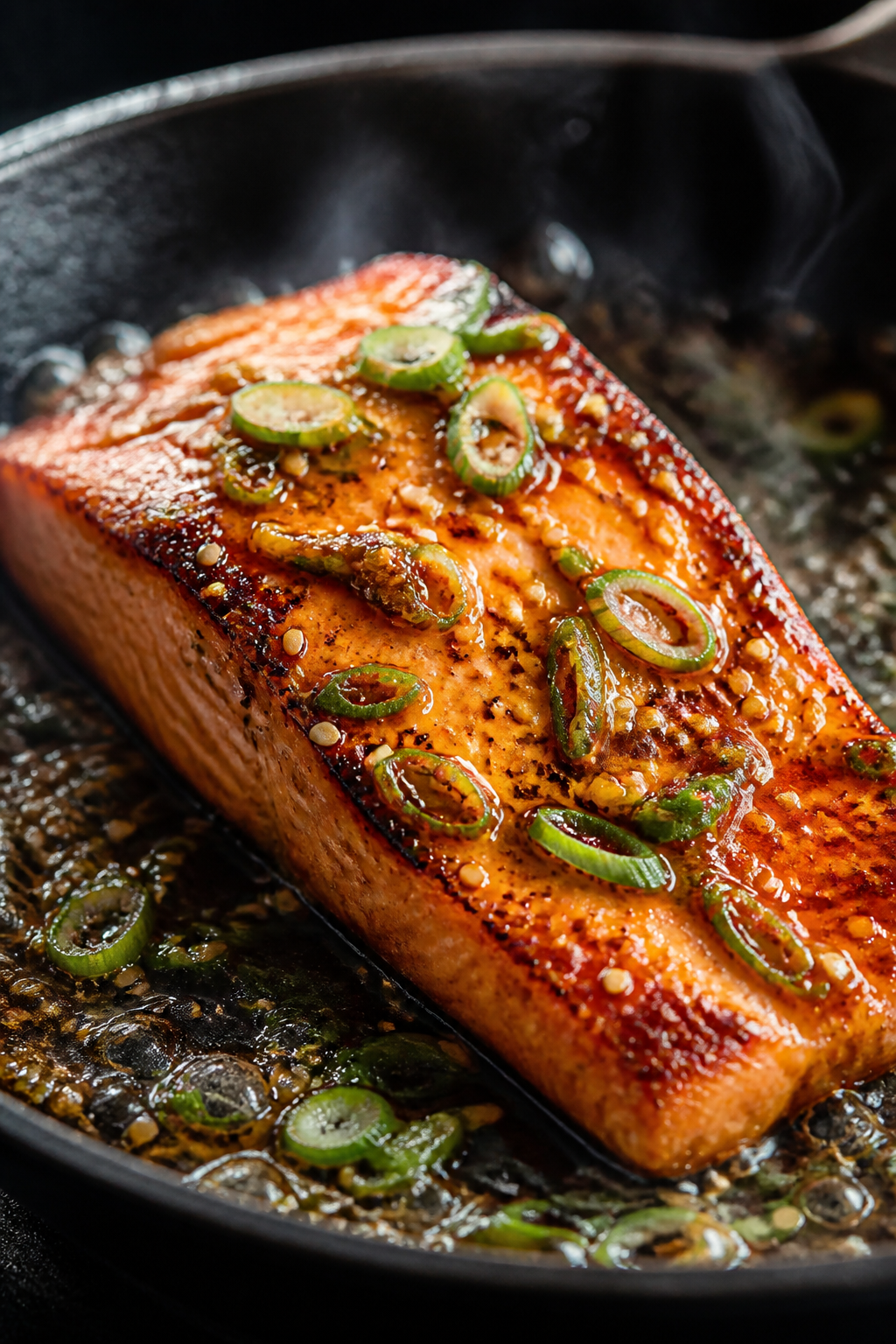
This method uses high heat to sear the salmon fast, which locks in moisture and creates a light crust. A simple blend of soy sauce, garlic, butter, and a touch of sugar gives the salmon that classic hibachi balance of salty, sweet, and savory.
Finishing with lemon brightens the dish without overpowering the fish. The glaze reduces quickly in the pan, so you get flavor without a sticky mess. It’s straightforward, reliable, and easy to scale for family dinners or meal prep.
What You’ll Need
- Salmon fillets: 4 pieces, skin-on or skinless, about 6 ounces each
- Soy sauce: Low-sodium preferred for better control
- Butter: Unsalted, for that signature hibachi finish
- Neutral oil: Canola, avocado, or grapeseed
- Garlic: 2–3 cloves, minced
- Ginger: 1 teaspoon freshly grated (optional but great)
- Brown sugar or honey: 1–2 teaspoons for balance
- Rice vinegar or mirin: 1–2 teaspoons for acidity
- Sesame oil: A small drizzle for aroma
- Lemon: Half, for finishing
- Salt and black pepper: To taste
- Sesame seeds and scallions: For garnish
- Optional sides: Cooked rice, zucchini, onions, mushrooms, or carrots
Instructions
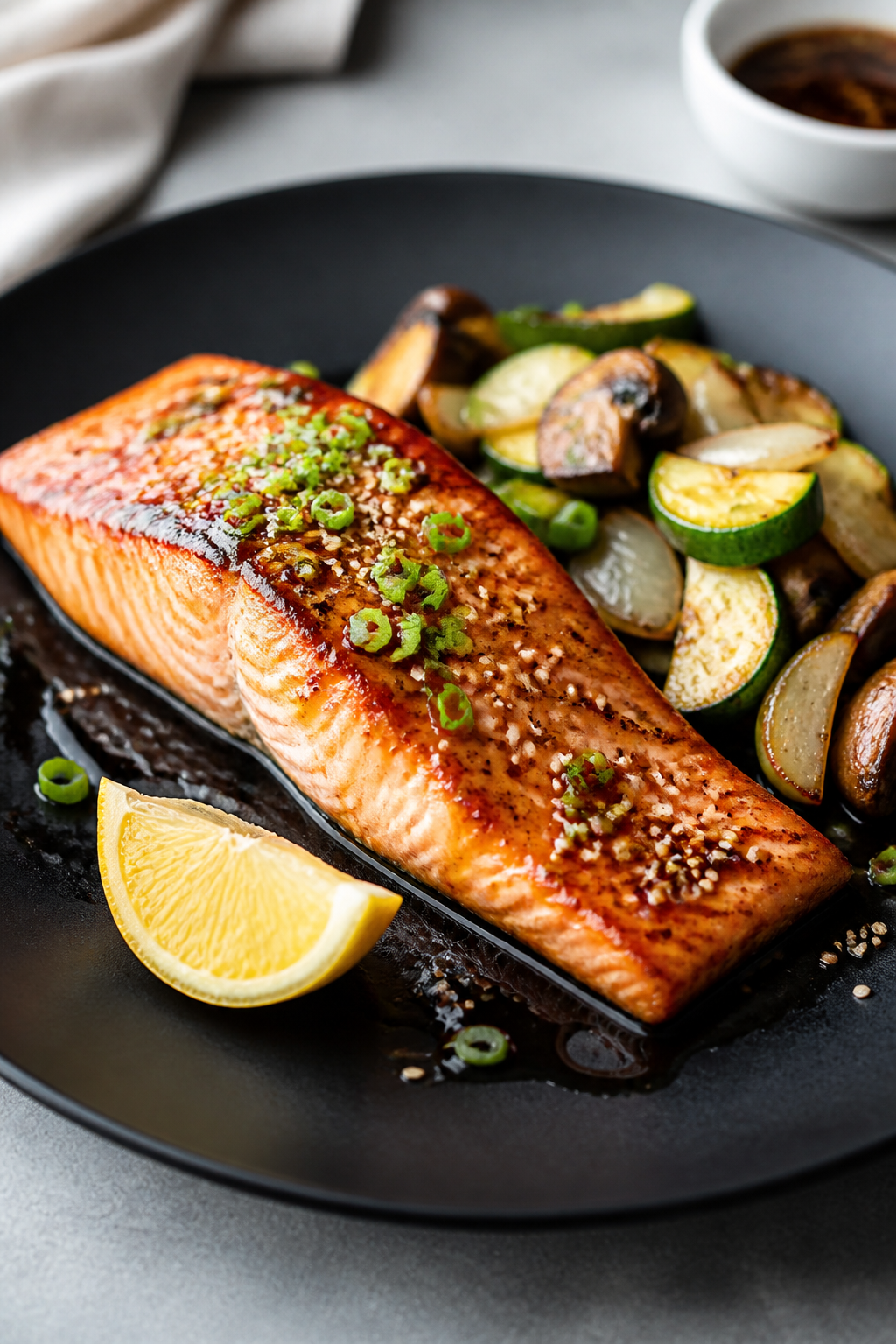
- Pat the salmon dry. Moisture is the enemy of a good sear.
Use paper towels to dry the fillets thoroughly. Season both sides with a pinch of salt and black pepper.
- Make the quick hibachi sauce. In a small bowl, stir together 3 tablespoons soy sauce, 1 tablespoon butter (softened), 1–2 teaspoons brown sugar or honey, 1 teaspoon rice vinegar or mirin, 1 minced garlic clove, 1 teaspoon grated ginger, and a few drops of sesame oil. Set aside.
- Preheat your pan. Heat a large cast-iron skillet, flat-top griddle, or heavy nonstick pan over medium-high heat until very hot.
Add 1 tablespoon neutral oil and swirl to coat.
- Sear the salmon. Place the fillets in the pan, presentation side down (the side that was facing out if skinless). Don’t move them for 3–4 minutes, until a golden crust forms and the fish releases easily.
- Flip and lower the heat. Turn the salmon carefully. Reduce heat to medium.
Cook another 2–4 minutes, depending on thickness, until almost at your preferred doneness.
- Add the sauce and baste. Drop in the sauce and the remaining 1 tablespoon butter. It will sizzle. Spoon the bubbling sauce over the salmon repeatedly for 30–60 seconds to glaze and finish cooking.
- Check doneness. For medium, look for opaque edges and slightly translucent centers, about 125–130°F internal temperature.
Adjust to your preference.
- Finish with lemon. Squeeze a little lemon over the fish to brighten the flavors. Sprinkle sesame seeds and sliced scallions.
- Serve right away. Plate with rice and quick-sautéed veggies. Spoon any extra pan sauce over the top.
Keeping It Fresh
Store leftover salmon in an airtight container in the fridge for up to 2 days.
Reheat gently in a skillet over low heat with a splash of water to keep it moist, or eat it cold flaked over salads. If you plan to meal prep, cook the salmon slightly under your ideal doneness so it won’t dry out when reheated. Keep sauces and sides in separate containers to maintain texture.
Why This is Good for You
Salmon is rich in omega-3 fatty acids, which support heart and brain health.
It’s also a great source of high-quality protein and vitamin D. Cooking it quickly over high heat keeps added fats modest while preserving nutrients. Using low-sodium soy sauce and controlling the sugar gives you bold flavor without going overboard on salt or sweetness.
Pitfalls to Watch Out For
- Overcrowding the pan: Too many fillets drop the temperature and prevent browning.
Cook in batches if needed.
- Moving the fish too soon: If it sticks, it’s not ready to flip. Wait for the crust to form.
- Too much sauce too early: Adding sauce at the start can burn. Sear first, then glaze.
- High-sodium soy: Regular soy sauce can make the dish too salty.
Taste and adjust with a splash of water if needed.
- Overcooking: Salmon goes from juicy to dry fast. Pull it off the heat just before it reaches your target temp.
Variations You Can Try
Stop wondering what's for dinner.
Get 7 healthy, family-friendly dinners complete with recipes and simple meal plans delivered straight to your inbox.
- Garlic-butter bomb: Add an extra tablespoon of butter and a second clove of garlic for a richer finish.
- Spicy kick: Stir in sriracha or a pinch of red pepper flakes to the sauce.
- Citrus twist: Swap lemon for yuzu or lime and add orange zest to the glaze.
- Teriyaki style: Use mirin and a bit more sugar, then reduce longer for a stickier coating.
- Veg-forward: Sear sliced zucchini, onions, and mushrooms first, then push to the side and cook the salmon.
- Grill or air fryer: Grill over medium-high heat and brush with sauce in the last minute, or air fry at 390°F for 7–10 minutes, glazing at the end.
FAQ
Can I use frozen salmon?
Yes, just thaw it fully in the fridge overnight or under cold running water in the sealed package. Pat it very dry before searing so you still get a good crust.
Do I need skin-on or skinless fillets?
Either works.
Skin-on helps protect the flesh and crisps up nicely if you sear it long enough. If you prefer skinless, follow the same steps and be gentle when flipping.
What pan is best for that hibachi sear?
A cast-iron skillet or a flat-top griddle gives you even heat and strong browning. A heavy nonstick pan also works if you don’t want to worry about sticking.
How do I know when the salmon is done?
Use a thermometer if you have one: 125–130°F for medium.
Without one, check for opaque edges, slightly translucent centers, and easy flaking with a fork.
Can I make this without butter?
Yes. Use more oil and finish with a little sesame oil for richness. The flavor will be a bit lighter, but still delicious.
What should I serve with it?
Classic options are fried rice, sautéed zucchini and onions, steamed rice, or a simple cabbage slaw.
A drizzle of yum-yum or spicy mayo brings it all together.
How can I reduce sodium?
Use low-sodium soy sauce, dilute with a tablespoon of water, and skip added salt. Lemon and ginger boost flavor so you won’t miss the extra sodium.
Wrapping Up
Hibachi style salmon brings restaurant flavor to your kitchen in minutes. The method is simple: hot pan, quick sear, fast glaze, bright finish.
Keep a few pantry staples on hand and this becomes a reliable go-to for busy nights. Serve it with your favorite sides, switch up the sauce, and enjoy that fresh-off-the-griddle taste any time you want.
Printable Recipe Card
Want just the essential recipe details without scrolling through the article? Get our printable recipe card with just the ingredients and instructions.
Loved This Recipe?
If you're looking for more simple, healthy dinners your family will actually eat, grab my FREE 7-Day Easy Dinner Reset. You'll get 7 easy dinner recipes, simple grocery lists, and a done-for-you plan that takes the stress out of mealtime.