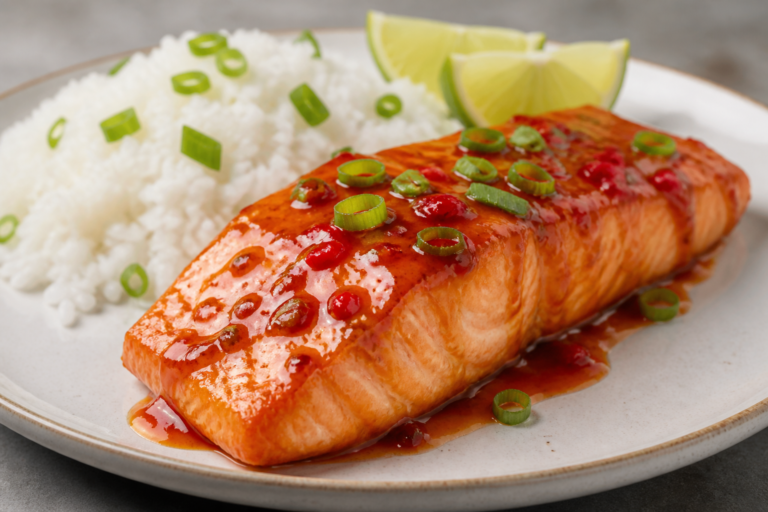
Honey Lime Salmon – Bright, Sweet, and Ready in Minutes
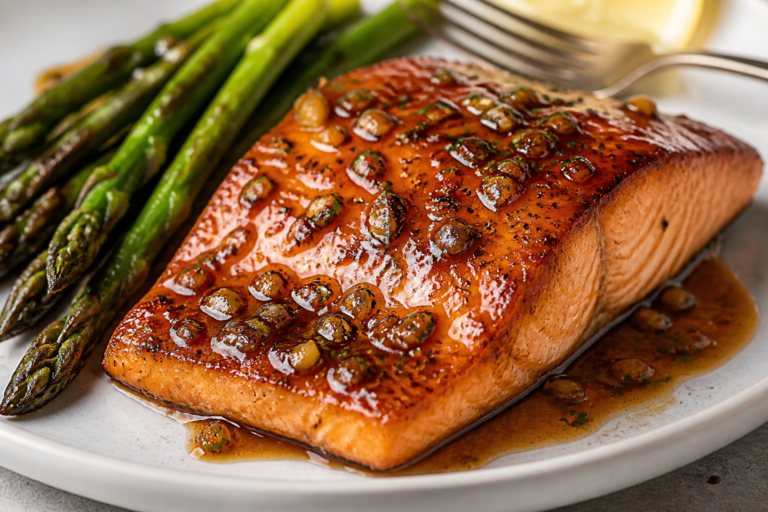
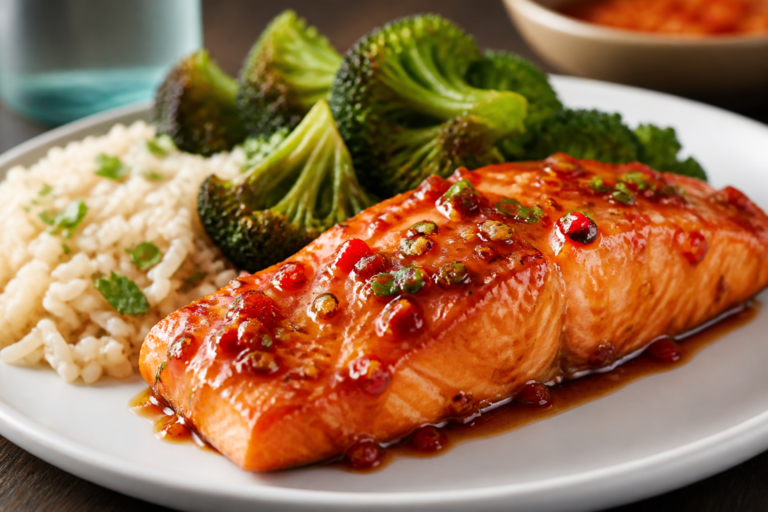
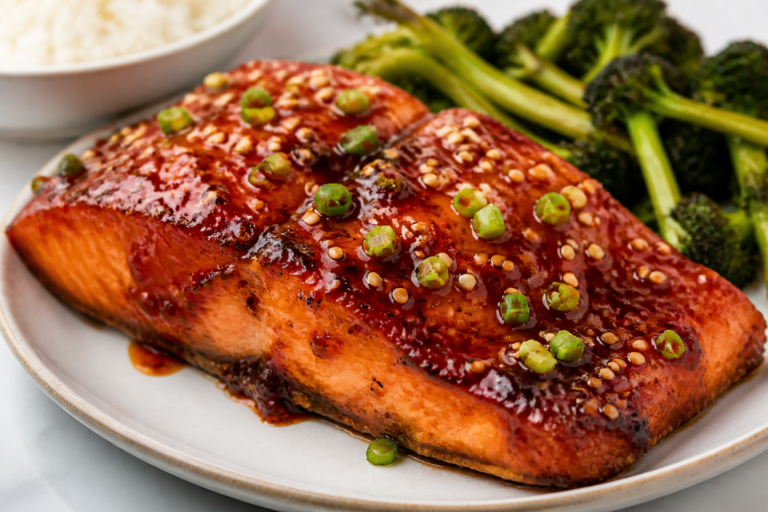
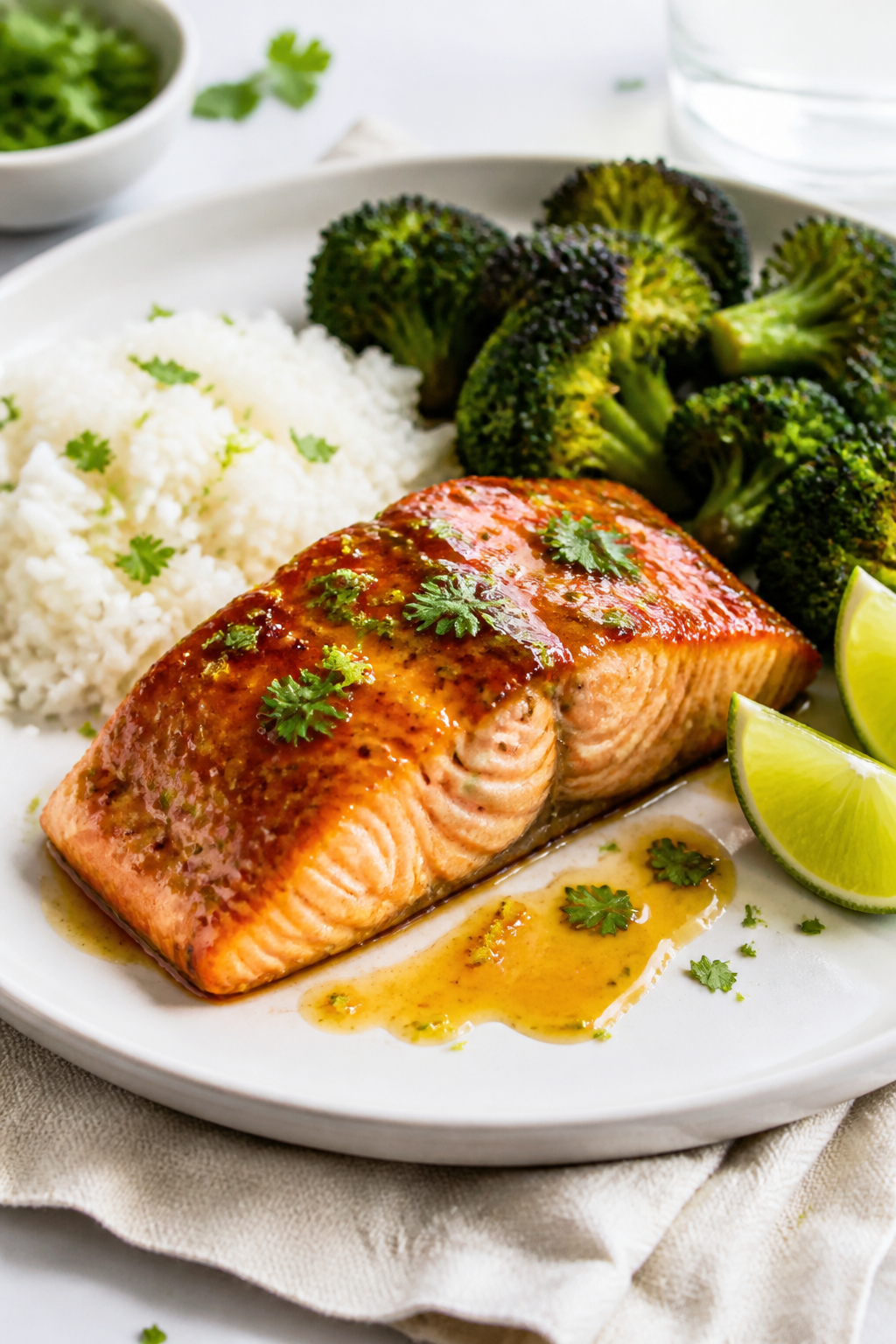
This Honey Lime Salmon brings sweet, tangy, and savory flavors together in one quick, weeknight-friendly recipe. The sauce is simple, the cook time is short, and the results feel restaurant-worthy. You get crisp edges, a glossy glaze, and a juicy, flaky center.
FREE 7-Day Easy Dinner Reset
FREE 7-Day Easy Dinner Reset
It’s the kind of dinner that looks special without a long ingredient list or complicated steps. If you’re new to cooking salmon, this is a forgiving, confidence-boosting place to start.
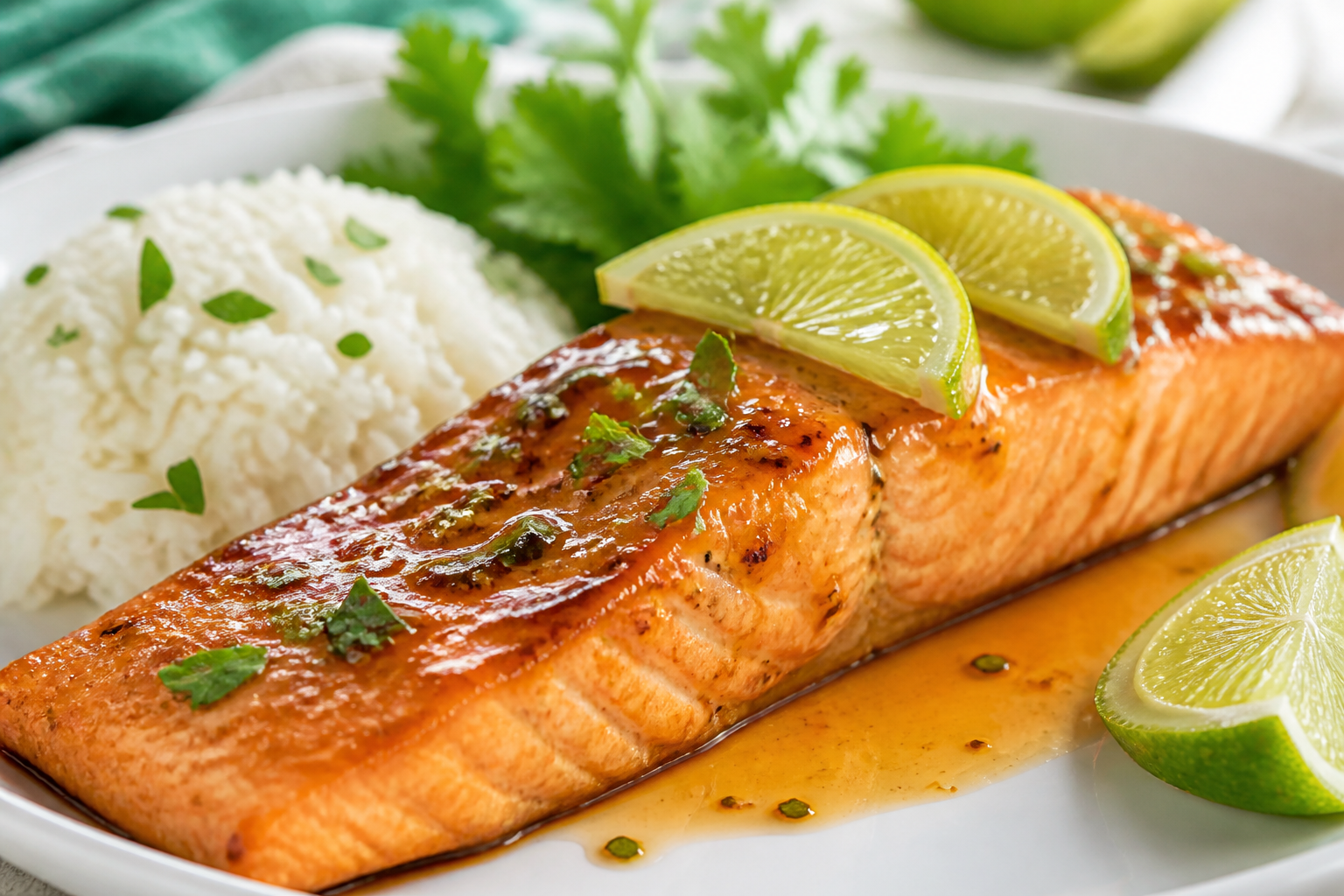
Honey Lime Salmon - Bright, Sweet, and Ready in Minutes
Ingredients
Method
- Pat the salmon dry. Use paper towels to blot excess moisture. Season both sides lightly with salt and pepper. Dry fish sears better and helps the glaze stick.
- Mix the glaze. In a small bowl, whisk together honey, lime juice, lime zest, minced garlic, soy sauce, and red pepper flakes if using.Taste and adjust with a bit more lime or honey as you like.
- Choose your cooking method. You can pan-sear, bake, or broil. For a quick weeknight option, pan-searing with a short finish in the oven works beautifully.
- Pan-sear method (recommended): Heat a large nonstick or well-seasoned skillet over medium-high. Add oil.When shimmering, place salmon skin-side down if skin-on. Cook 3–4 minutes until the edges look opaque and the skin is crisp.
- Add the glaze. Lower heat to medium. Flip the salmon and pour the glaze around and over the fillets.Spoon sauce over the tops as it bubbles. Cook 2–4 minutes more, until the salmon is just cooked through and the glaze thickens and coats the fish.
- Optional oven finish. If your fillets are thick, transfer the skillet to a 375°F (190°C) oven for 3–5 minutes to finish gently. The sauce should be glossy, not burnt.If it darkens too fast, add a splash of water.
- Check doneness. Aim for an internal temperature of 125–130°F (52–54°C) for medium, or flake with a fork and look for a slightly translucent center. Remove from heat promptly; residual heat will finish the job.
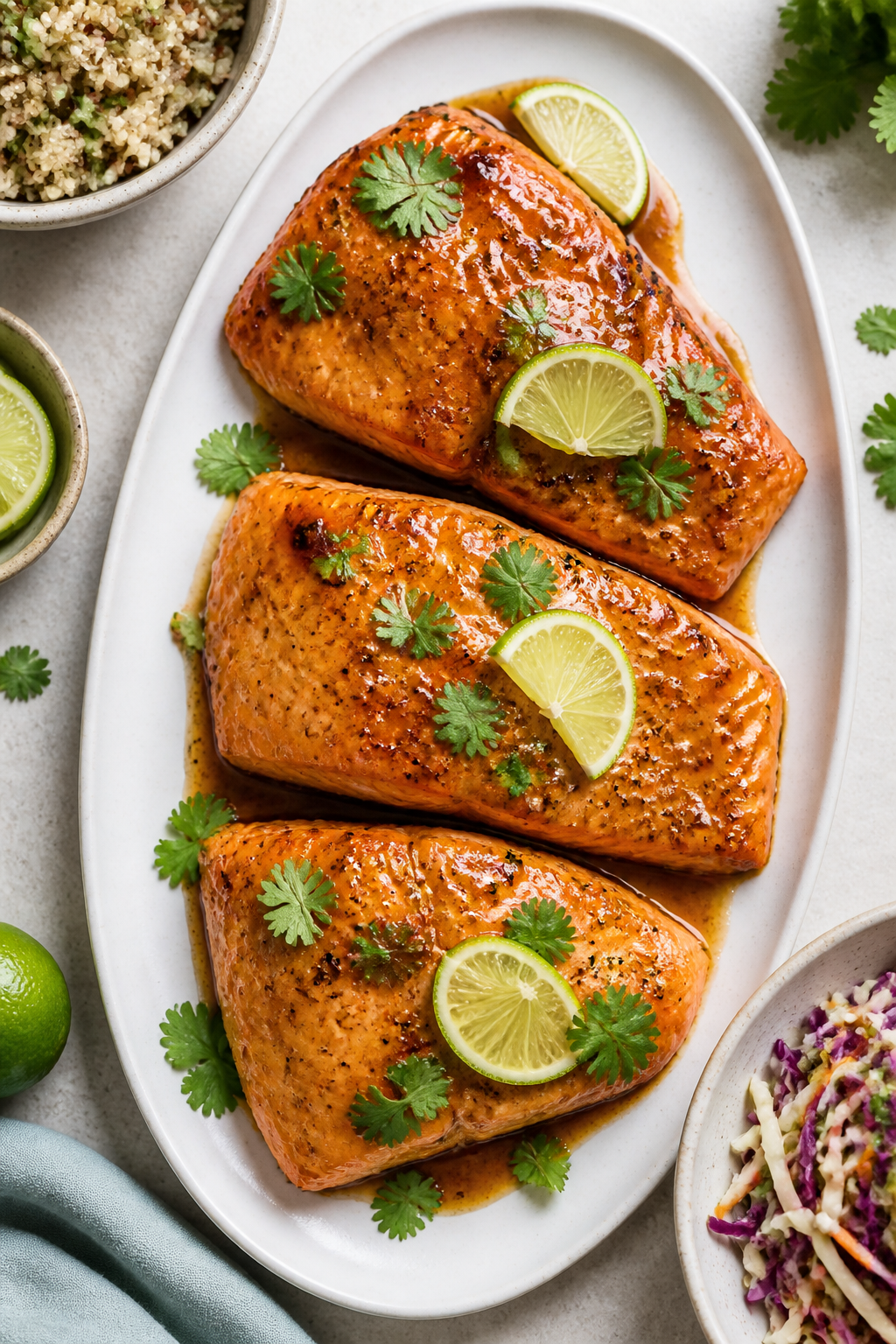
- Rest and garnish. Let the salmon rest 2 minutes. Spoon any sauce from the pan over the fillets.Top with chopped cilantro or parsley and serve with lime wedges.
- Serving ideas. Pair with white or brown rice, quinoa, roasted broccoli, sautéed green beans, or a cabbage slaw to soak up the sauce.
What Makes This Special
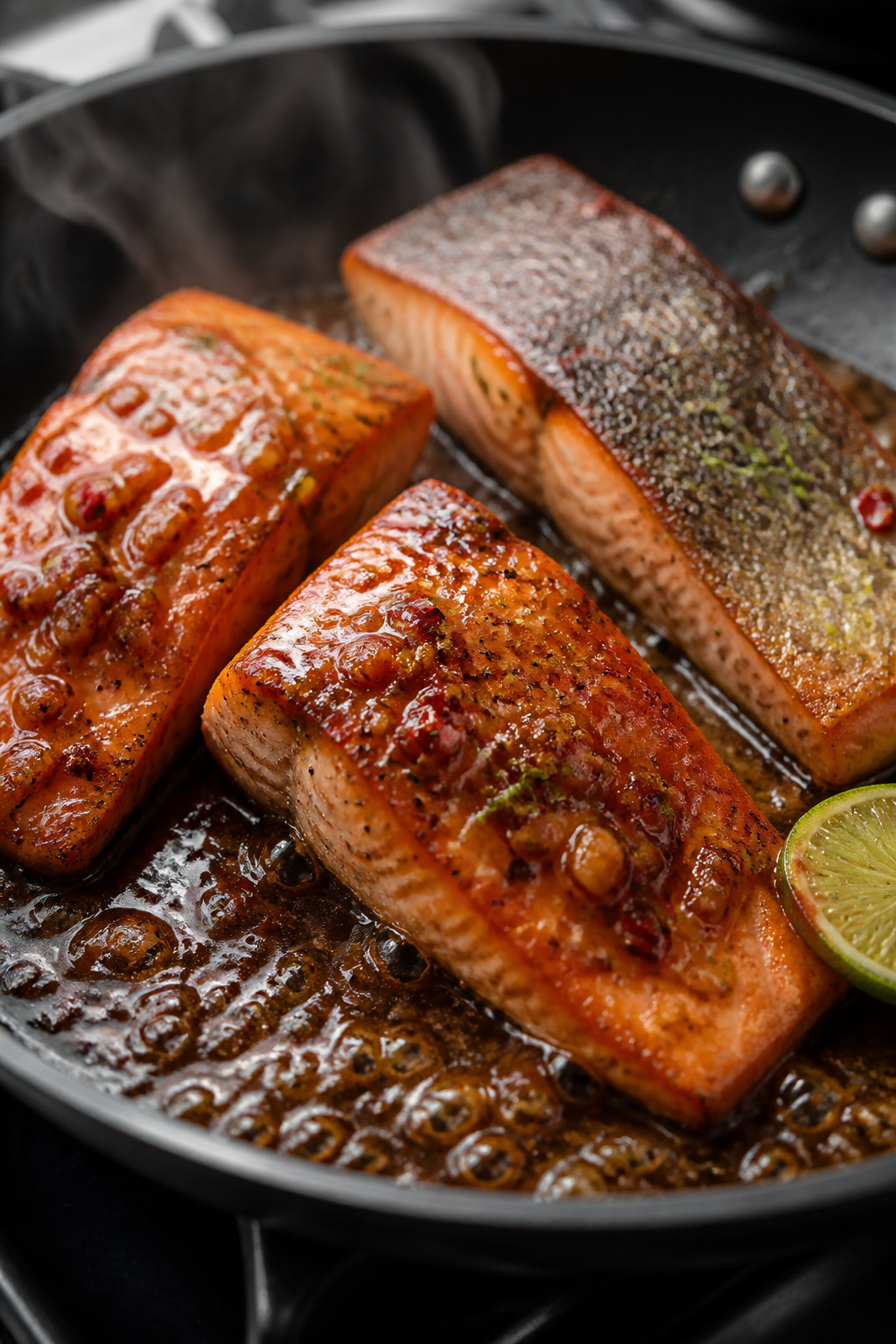
This recipe shines because it balances flavors you already love. Honey adds a gentle sweetness, lime cuts through with bright acidity, and a touch of garlic and soy brings depth.
The glaze caramelizes beautifully, creating a sticky finish that clings to the fish without overpowering it.
It’s also flexible. You can cook it in a skillet, bake it, or broil it, and it turns out great either way. Plus, it pairs with everything from steamed rice to a crunchy slaw.
It’s fresh, fast, and easy to make your own.
What You’ll Need
- Salmon fillets: 4 fillets (about 6 ounces each), skin-on or skinless
- Honey: 3 tablespoons
- Fresh lime juice: 3 tablespoons (about 2 limes)
- Lime zest: 1 teaspoon
- Garlic: 2–3 cloves, minced
- Soy sauce or tamari: 1 tablespoon
- Olive oil or avocado oil: 1–2 tablespoons
- Salt and black pepper: to taste
- Crushed red pepper flakes: a pinch (optional, for heat)
- Fresh cilantro or parsley: chopped, for garnish
- Lime wedges: for serving
Instructions
- Pat the salmon dry. Use paper towels to blot excess moisture. Season both sides lightly with salt and pepper. Dry fish sears better and helps the glaze stick.
- Mix the glaze. In a small bowl, whisk together honey, lime juice, lime zest, minced garlic, soy sauce, and red pepper flakes if using.
Taste and adjust with a bit more lime or honey as you like.
- Choose your cooking method. You can pan-sear, bake, or broil. For a quick weeknight option, pan-searing with a short finish in the oven works beautifully.
- Pan-sear method (recommended): Heat a large nonstick or well-seasoned skillet over medium-high. Add oil.
When shimmering, place salmon skin-side down if skin-on. Cook 3–4 minutes until the edges look opaque and the skin is crisp.
- Add the glaze. Lower heat to medium. Flip the salmon and pour the glaze around and over the fillets.
Spoon sauce over the tops as it bubbles. Cook 2–4 minutes more, until the salmon is just cooked through and the glaze thickens and coats the fish.
- Optional oven finish. If your fillets are thick, transfer the skillet to a 375°F (190°C) oven for 3–5 minutes to finish gently. The sauce should be glossy, not burnt.
If it darkens too fast, add a splash of water.
- Check doneness. Aim for an internal temperature of 125–130°F (52–54°C) for medium, or flake with a fork and look for a slightly translucent center. Remove from heat promptly; residual heat will finish the job.
- Rest and garnish. Let the salmon rest 2 minutes. Spoon any sauce from the pan over the fillets.
Top with chopped cilantro or parsley and serve with lime wedges.
- Serving ideas. Pair with white or brown rice, quinoa, roasted broccoli, sautéed green beans, or a cabbage slaw to soak up the sauce.
Storage Instructions
- Refrigerate: Cool completely, then store in an airtight container for up to 3 days. Keep the sauce with it to prevent drying.
- Reheat gently: Warm in a covered skillet over low heat with a splash of water or lime juice until just heated through. Avoid the microwave or use short bursts to prevent overcooking.
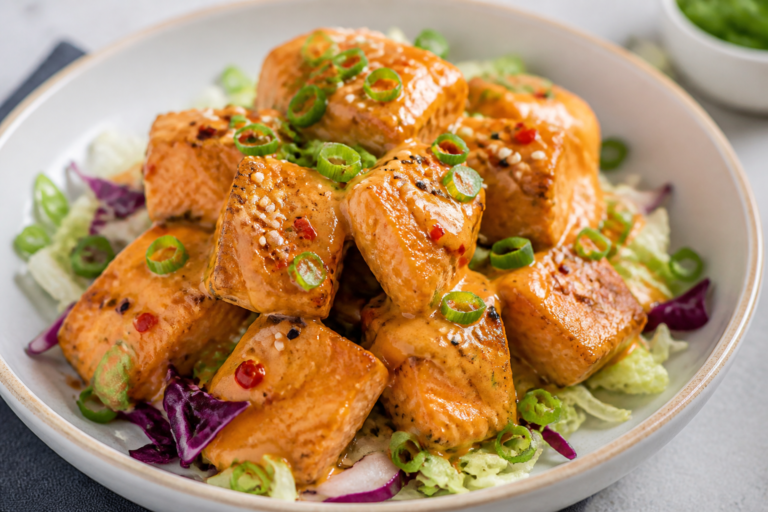
- Serve cold: Leftover salmon is great flaked over salads or tucked into grain bowls with extra lime.
- Freezing: You can freeze cooked salmon for up to 2 months, but the glaze may separate slightly.
Thaw overnight in the fridge and rewarm gently.
Health Benefits
- Omega-3 fats: Salmon is rich in EPA and DHA, which support heart, brain, and joint health.
- High-quality protein: Each serving delivers complete protein that keeps you full and supports muscle repair.
- Vitamins and minerals: Salmon provides B vitamins, selenium, potassium, and vitamin D.
- Lighter sweetness: Honey adds flavor with a smaller amount than many sugary glazes, and lime helps balance it so you use less overall.
Pitfalls to Watch Out For
- Overcooking: Salmon can go from perfect to dry fast. Pull it a little early and let carryover heat finish it.
- Burning the glaze: Honey scorches at high heat. Reduce heat when you add the sauce, and thin with a teaspoon of water if it gets too sticky too soon.
- Wet fish: Not patting dry prevents good browning and glaze adhesion.
Dry thoroughly before seasoning.
- Uneven fillets: If pieces vary in thickness, start the thicker ones a minute earlier or remove the thin ones sooner.
- Too tart or too sweet: Taste and adjust the glaze before cooking. A pinch of salt can pull it together if it tastes flat.
Alternatives
- Citrus swaps: Use lemon or orange instead of lime. Orange makes it sweeter and more aromatic; lemon keeps it bright and sharp.
- Heat options: Add sriracha, chili-garlic sauce, or a dash of cayenne for a spicy kick.
- Herb twist: Try basil, mint, or dill in place of cilantro.
Each brings a different fresh note.
- Soy-free: Use coconut aminos and a pinch of salt to keep the umami.
- Different fish: Trout, arctic char, or cod can work. Oily fish handle the glaze best; if using a lean fish, watch the cook time closely.
- Grill it: Brush the fish with oil, grill skin-side down over medium heat, and glaze during the last few minutes to prevent flare-ups.
FAQ
Can I use frozen salmon?
Yes. Thaw it overnight in the fridge or under cold running water in its packaging.
Stop wondering what's for dinner.
Get 7 healthy, family-friendly dinners complete with recipes and simple meal plans delivered straight to your inbox.
Pat very dry before seasoning to ensure good browning and a clingy glaze.
How do I know when the salmon is done without a thermometer?
Press the thickest part with a fork. It should flake easily but still look slightly translucent in the center. If it’s opaque all the way through and very firm, it’s likely overdone.
Is the skin supposed to be eaten?
It’s up to you.
Crisp skin is delicious and adds nutrients. If you prefer, cook skin-on for easier handling, then slide the fillet off the skin before serving.
Can I make the glaze ahead?
Absolutely. Mix the glaze up to 3 days in advance and keep it refrigerated.
Give it a quick stir before using, since honey can settle.
What sides go best with Honey Lime Salmon?
Rice, coconut rice, quinoa, or couscous all work well. For vegetables, think roasted broccoli, asparagus, snap peas, or a crunchy cabbage slaw with a light lime dressing.
How do I avoid a fishy smell at home?
Cook with good ventilation, and avoid high heat once the honey is in the pan. Fresh salmon should smell clean; if it smells very strong before cooking, it may not be fresh.
Can I make this recipe gluten-free?
Yes.
Use tamari or coconut aminos instead of regular soy sauce, and confirm all ingredients are certified gluten-free if needed.
What if I don’t have fresh limes?
Bottled lime juice works in a pinch, but add a little lemon zest to replace lost aroma. Start with slightly less bottled juice, then adjust to taste.
How do I thicken the glaze more?
Simmer the sauce an extra minute or two after the salmon comes out of the pan. You can also whisk in a tiny knob of cold butter off heat for a silky finish.
Can I meal prep this?
Yes.
Cook the salmon slightly under your ideal doneness, cool, and store with extra sauce. Reheat gently and pair with cooked grains and steamed or roasted veggies.
Wrapping Up
Honey Lime Salmon is a simple way to put a bright, flavorful dinner on the table fast. With a short ingredient list, a forgiving cook time, and a glaze that never gets old, it’s a reliable go-to.
Keep limes and honey on hand, and you’re halfway to dinner any night of the week. Once you try it, you’ll find new sides and twists that make it your own.
Printable Recipe Card
Want just the essential recipe details without scrolling through the article? Get our printable recipe card with just the ingredients and instructions.
Loved This Recipe?
If you're looking for more simple, healthy dinners your family will actually eat, grab my FREE 7-Day Easy Dinner Reset. You'll get 7 easy dinner recipes, simple grocery lists, and a done-for-you plan that takes the stress out of mealtime.