Healthy Korean Beef Meal Prep Bowls – Balanced, Flavor-Packed, and Easy
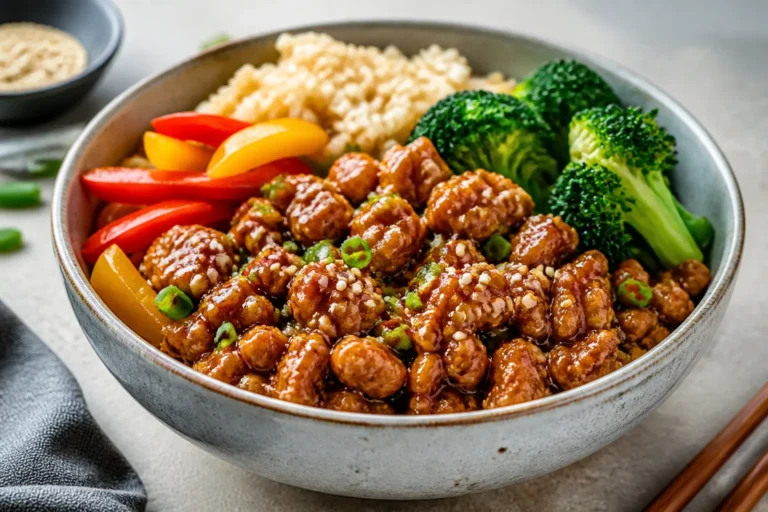
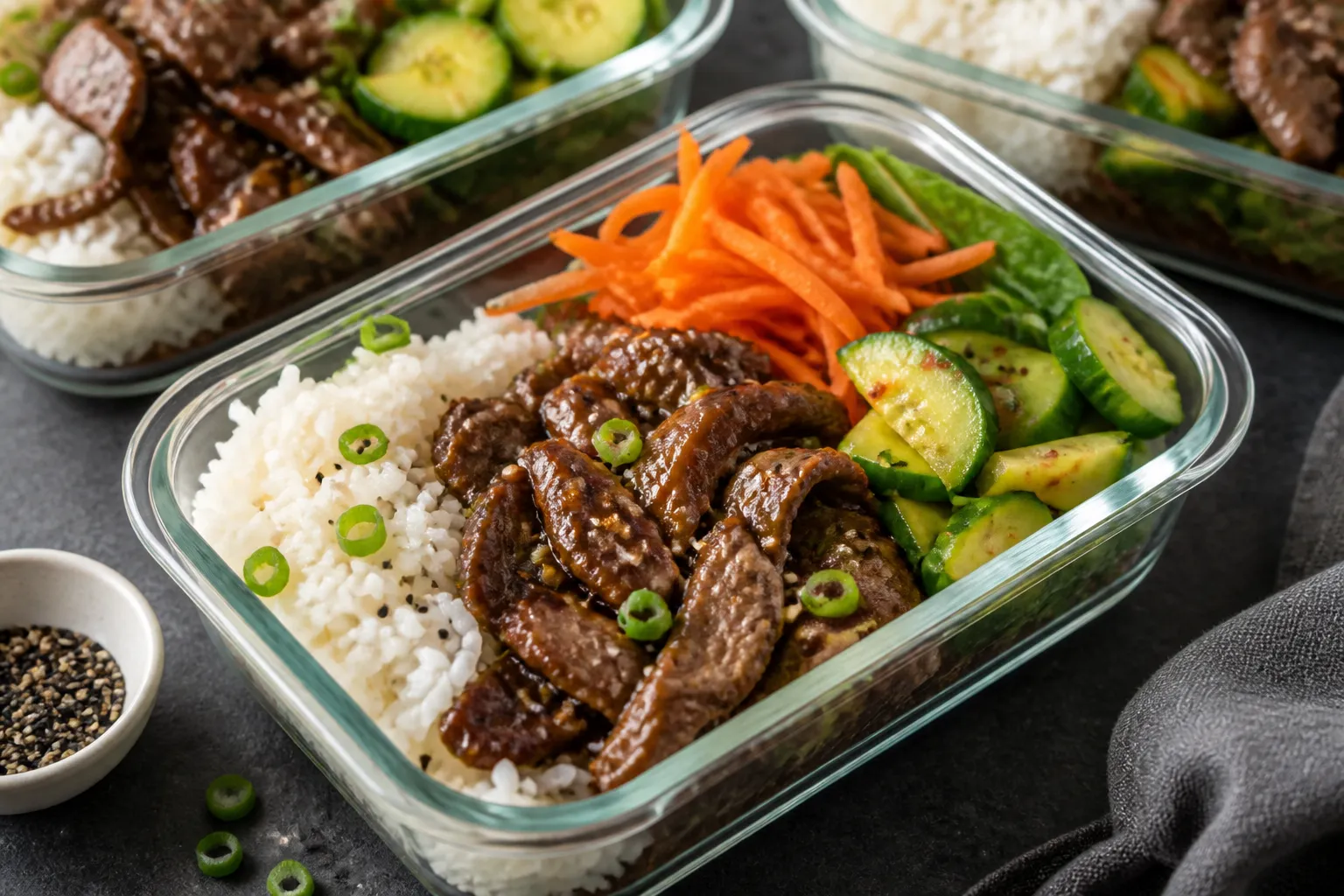
If you want a meal prep that actually excites you at lunchtime, these Healthy Korean Beef Meal Prep Bowls deliver. They’re bold, a little sweet, a little spicy, and full of crisp veggies and fluffy rice. You’ll get satisfying protein, vibrant colors, and a week’s worth of meals that taste just as good on day four as they did on day one.
FREE 7-Day Easy Dinner Reset
FREE 7-Day Easy Dinner Reset
Everything comes together in under an hour, and most steps are hands-off. This is a simple, reliable recipe you’ll come back to again and again.
Healthy Korean Beef Meal Prep Bowls – Balanced, Flavor-Packed, and Easy
Ingredients
Method
- Rinse and cook the rice.Add 2 cups rice and the appropriate water to a pot or rice cooker. Cook according to package directions. Fluff and set aside.
- Prep the vegetables.Slice the bell pepper into thin strips, peel and slice the carrots into matchsticks, chop the broccoli into bite-size florets, thinly slice the green onions, and shred the cabbage if not pre-shredded. Mince the garlic and grate the ginger.
- Make the sauce. In a small bowl, whisk together soy sauce, gochujang, honey, rice vinegar, sesame oil, minced garlic, and grated ginger.Taste and adjust heat or sweetness. Set aside.
- Sauté the vegetables. Heat a large skillet over medium-high with a drizzle of oil.Add broccoli and a pinch of salt; cook 3–4 minutes until bright green and slightly tender. Add bell pepper and carrot; cook 2–3 minutes more. Remove veggies to a plate to keep some crunch.
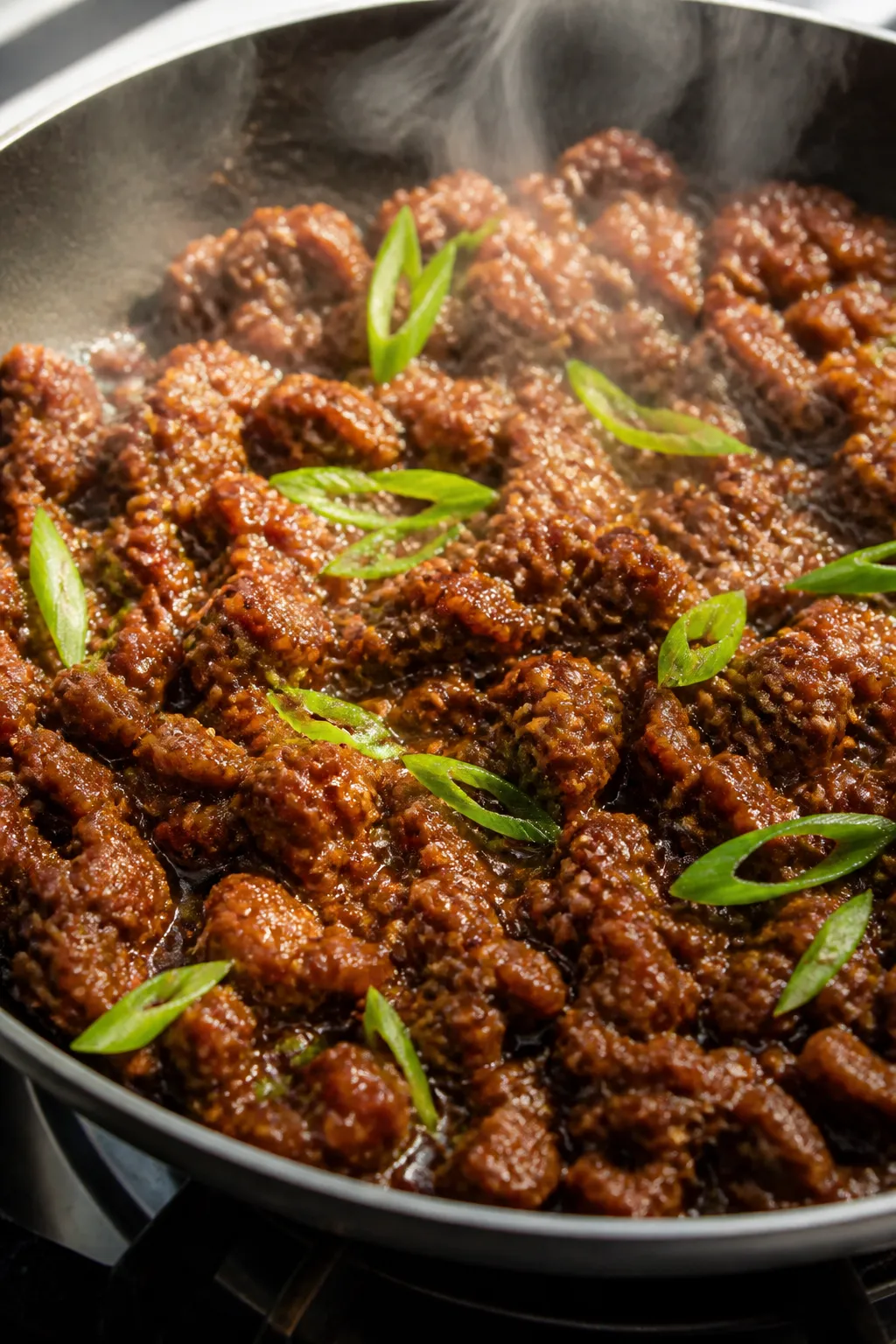
- Brown the beef.In the same skillet, add a bit more oil if needed. Add the ground beef and break it up with a spatula. Cook 5–7 minutes until nicely browned and no pink remains.Drain excess fat if necessary.
- Sauce the beef. Pour the sauce over the beef and stir to coat. Let it simmer 2–3 minutes until slightly thickened and glossy.Stir in half the sliced green onions. Taste and adjust seasoning with extra soy for salt or gochujang for heat.
- Steam the cabbage lightly (optional). If you prefer softer cabbage, toss it into the hot skillet for 1 minute after removing the beef, just to wilt slightly.Otherwise, keep it raw for crunch.
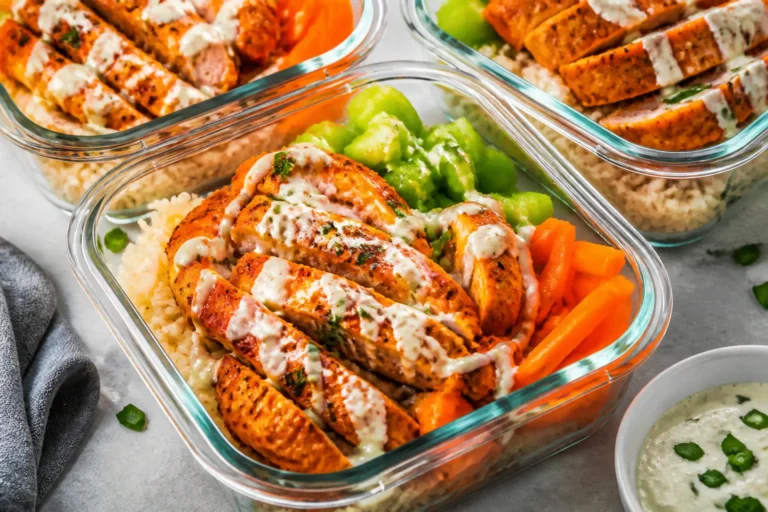
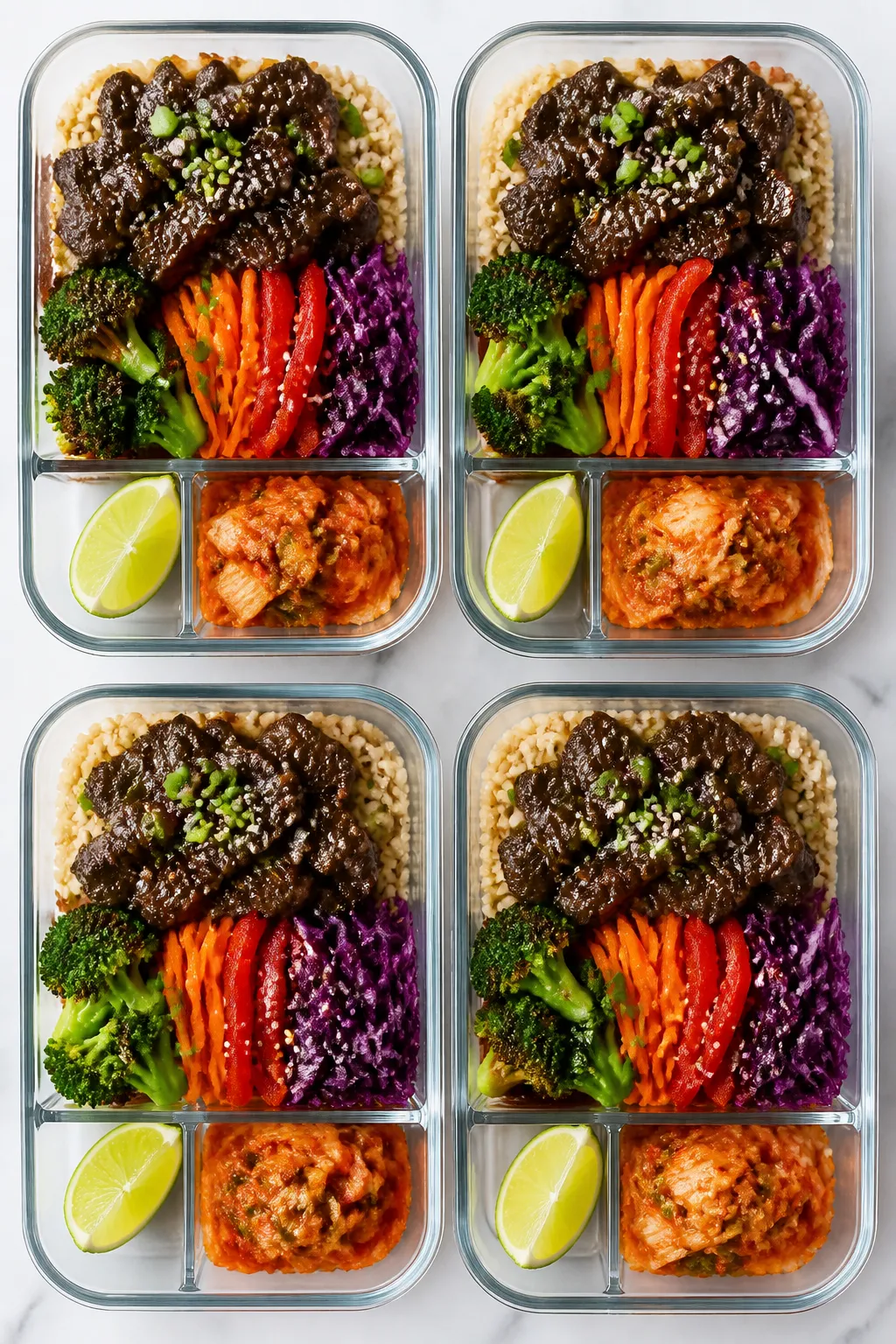
- Assemble the bowls. Divide rice among 4–5 meal prep containers. Top with equal portions of Korean-style beef, sautéed veggies, and cabbage.Sprinkle with sesame seeds and remaining green onions. Add kimchi and a lime wedge on the side if using.
- Cool and store. Let bowls cool uncovered for 15–20 minutes before sealing.Refrigerate up to 4 days.
- Reheat to serve. Warm in the microwave 1–2 minutes, adding a splash of water to the rice if needed. Finish with a squeeze of lime or a drizzle of sesame oil.
What Makes This Recipe So Good
- Fast and weeknight-friendly: Ground beef cooks quickly, and the sauce uses pantry staples. You can prep four lunches in under 45 minutes.
- Balanced nutrition: Protein-packed beef, fiber-rich rice, and a rainbow of vegetables make these bowls filling and energizing without feeling heavy.
- Big flavor, simple ingredients: A few core sauces—soy, gochujang, and sesame—bring deep Korean-inspired flavor without fuss.
- Customizable heat: Keep it mild or turn it up with extra gochujang or red pepper flakes.
- Meal-prep friendly: The components hold up well in the fridge and reheat beautifully.
Shopping List
- Protein: 1.5 pounds lean ground beef (90/10 or 93/7)
- Grains: 2 cups uncooked brown rice (or jasmine rice if you prefer)
- Vegetables: 2 cups broccoli florets, 2 medium carrots, 1 red bell pepper, 4 green onions (scallions), 2 cups shredded red cabbage, 2 cloves garlic, 1-inch knob fresh ginger
- Sauce and aromatics: 1/4 cup low-sodium soy sauce or tamari, 2–3 tablespoons gochujang (Korean chili paste), 2 tablespoons honey or maple syrup, 1 tablespoon rice vinegar, 1 tablespoon sesame oil
- Cooking oil: Avocado or olive oil
- Toppings: Sesame seeds, lime or lemon wedges (optional), kimchi (optional)
- Extras (optional): Fried or jammy eggs for added protein, sliced cucumbers, edamame
Instructions
- Rinse and cook the rice.
Add 2 cups rice and the appropriate water to a pot or rice cooker. Cook according to package directions. Fluff and set aside.
- Prep the vegetables.
Slice the bell pepper into thin strips, peel and slice the carrots into matchsticks, chop the broccoli into bite-size florets, thinly slice the green onions, and shred the cabbage if not pre-shredded. Mince the garlic and grate the ginger.
- Make the sauce. In a small bowl, whisk together soy sauce, gochujang, honey, rice vinegar, sesame oil, minced garlic, and grated ginger.
Taste and adjust heat or sweetness. Set aside.
- Sauté the vegetables. Heat a large skillet over medium-high with a drizzle of oil.
Add broccoli and a pinch of salt; cook 3–4 minutes until bright green and slightly tender. Add bell pepper and carrot; cook 2–3 minutes more. Remove veggies to a plate to keep some crunch.
- Brown the beef.
In the same skillet, add a bit more oil if needed. Add the ground beef and break it up with a spatula. Cook 5–7 minutes until nicely browned and no pink remains.
Drain excess fat if necessary.
- Sauce the beef. Pour the sauce over the beef and stir to coat. Let it simmer 2–3 minutes until slightly thickened and glossy.
Stir in half the sliced green onions. Taste and adjust seasoning with extra soy for salt or gochujang for heat.
- Steam the cabbage lightly (optional). If you prefer softer cabbage, toss it into the hot skillet for 1 minute after removing the beef, just to wilt slightly.
Otherwise, keep it raw for crunch.
- Assemble the bowls. Divide rice among 4–5 meal prep containers. Top with equal portions of Korean-style beef, sautéed veggies, and cabbage.
Sprinkle with sesame seeds and remaining green onions. Add kimchi and a lime wedge on the side if using.
- Cool and store. Let bowls cool uncovered for 15–20 minutes before sealing.
Refrigerate up to 4 days.
- Reheat to serve. Warm in the microwave 1–2 minutes, adding a splash of water to the rice if needed. Finish with a squeeze of lime or a drizzle of sesame oil.
Keeping It Fresh
Cool before sealing to avoid trapping steam that makes rice soggy.
Store bowls in airtight containers and keep any watery toppings (like kimchi or cucumbers) in separate compartments. If you’re planning to freeze, freeze just the beef and rice—add fresh veggies after thawing for the best texture. In the fridge, these bowls hold well for up to 4 days.
In the freezer, the beef keeps for 2–3 months in a sealed container.
Health Benefits
- High-quality protein: Lean ground beef provides iron, zinc, and B vitamins, which support energy and muscle recovery.
- Heart-friendly tweaks: Using lean cuts and low-sodium soy sauce helps keep saturated fat and sodium in check.
- Fiber and micronutrients: Brown rice, cabbage, broccoli, and carrots deliver fiber for digestion and steady energy, plus vitamins A, C, and K.
- Healthy fats: Sesame oil and seeds add a small dose of unsaturated fats and flavor without heaviness.
- Blood sugar balance: The combination of protein, fiber, and complex carbs makes this a steady, satisfying meal.
Common Mistakes to Avoid
- Overcooking the vegetables: Aim for crisp-tender. Mushy veggies won’t reheat well and won’t taste as fresh on day three.
- Skipping the browning step: Let the beef get some color before adding sauce. Browning builds flavor.
- Using too much sauce: You want the beef coated, not swimming.
Too much liquid can make the rice soggy.
- Not tasting as you go: Gochujang brands vary in heat and saltiness. Adjust to your preference before assembling.
- Packing while hot: Seal hot food and you’ll get condensation and diluted flavors. Cool slightly first.
Variations You Can Try
- Low-carb: Swap rice for cauliflower rice or shredded cabbage sautéed with garlic.
- High-protein: Add edamame or top with a soft-boiled egg for extra protein.
- Different grains: Try quinoa, farro, or black rice for texture and variety.
- Chicken or turkey: Use ground turkey or chicken with the same sauce for a lighter option.
- Vegetarian: Replace beef with crumbled extra-firm tofu or tempeh.
Press tofu to remove moisture, then crisp it before saucing.
- Spice swap: Add red pepper flakes or a dash of gochugaru if you love heat.
- Crunch factor: Toss in sliced cucumbers, radishes, or roasted seaweed just before eating.
FAQ
Stop wondering what's for dinner.
Get 7 healthy, family-friendly dinners complete with recipes and simple meal plans delivered straight to your inbox.
Can I make this gluten-free?
Yes. Use tamari or a certified gluten-free soy sauce, and double-check that your gochujang is gluten-free. Serve over brown rice or quinoa.
What can I use instead of gochujang?
Gochujang has a unique sweet heat, but you can substitute a mix of chili-garlic sauce and a little honey, or sriracha plus miso and honey.
Start with less and add to taste.
How do I keep the rice from drying out when reheating?
Add a teaspoon of water over the rice and cover the container loosely before microwaving. The steam will bring back moisture and fluff.
Is this recipe very spicy?
It’s moderately spicy by default. For mild bowls, use 1–2 teaspoons of gochujang instead of tablespoons and skip extra chili.
For more heat, add another spoonful of gochujang or a pinch of red pepper flakes.
Can I use pre-cut vegetables?
Absolutely. Pre-cut stir-fry mixes work well and save time. Just aim for similar sizes so everything cooks evenly.
How long does the beef keep?
Cooked beef lasts up to 4 days in the fridge or 2–3 months in the freezer.
Store in airtight containers and reheat thoroughly before eating.
What if I don’t have sesame oil?
Use a neutral oil and add a sprinkle of toasted sesame seeds for similar aroma. The recipe will still be flavorful without it.
Can I halve or double the recipe?
Yes. Halve for two meals, or double for a full week for two people.
Use a larger skillet when doubling so the beef browns instead of steams.
Final Thoughts
These Healthy Korean Beef Meal Prep Bowls check all the boxes: fast, flavorful, nourishing, and practical. With a few pantry staples and fresh veggies, you’ll have lunches that you actually look forward to. Tweak the spice, swap the grains, and make it your own.
Meal prep should make life easier—and this recipe does exactly that while keeping every bite exciting.
Printable Recipe Card
Want just the essential recipe details without scrolling through the article? Get our printable recipe card with just the ingredients and instructions.
Loved This Recipe?
If you're looking for more simple, healthy dinners your family will actually eat, grab my FREE 7-Day Easy Dinner Reset. You'll get 7 easy dinner recipes, simple grocery lists, and a done-for-you plan that takes the stress out of mealtime.