Lemon Garlic Shrimp Pasta Skillet – Bright, Buttery, and Ready Fast
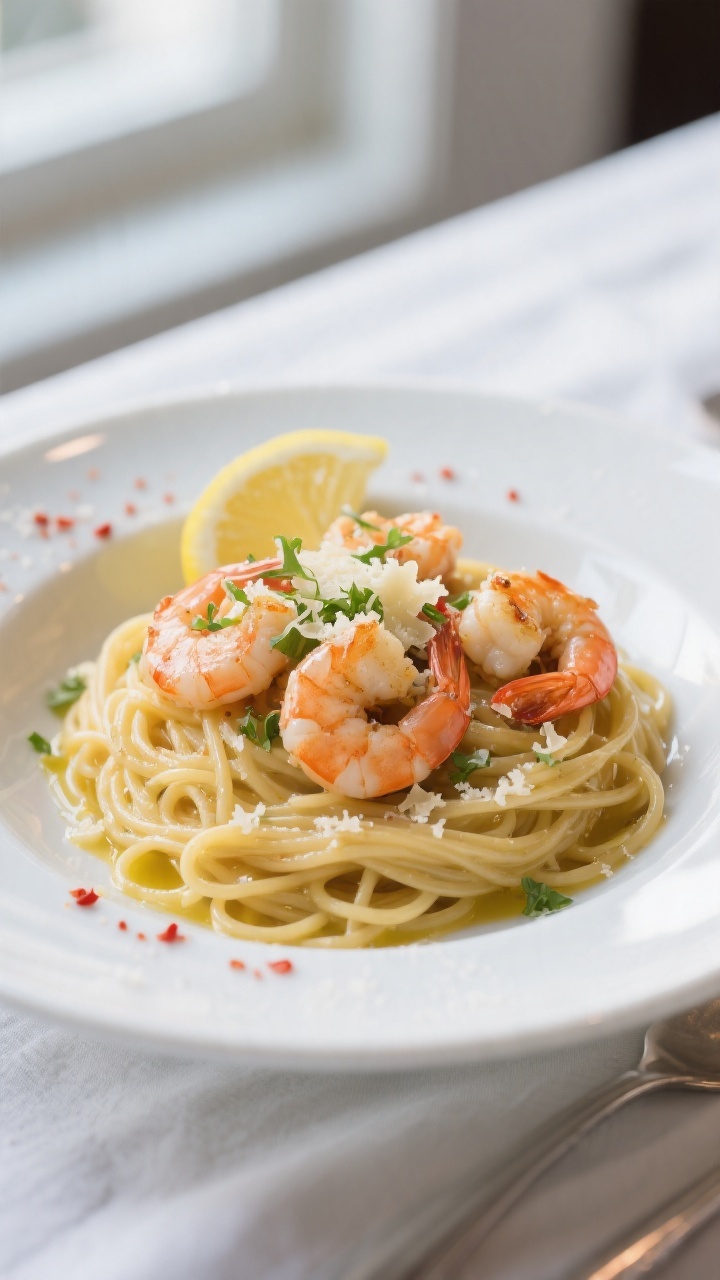
This is the kind of weeknight dinner that makes you feel like you cheated the system. Juicy shrimp, twirly pasta, and a buttery lemon-garlic sauce all come together in one skillet in about 25 minutes. It tastes fresh and uplifting, but it’s also cozy and comforting.
FREE 7-Day Easy Dinner Reset
FREE 7-Day Easy Dinner Reset
You don’t need fancy ingredients or a lot of steps, just a few pantry staples and a lemon. Keep it simple, serve it hot, and watch it disappear.
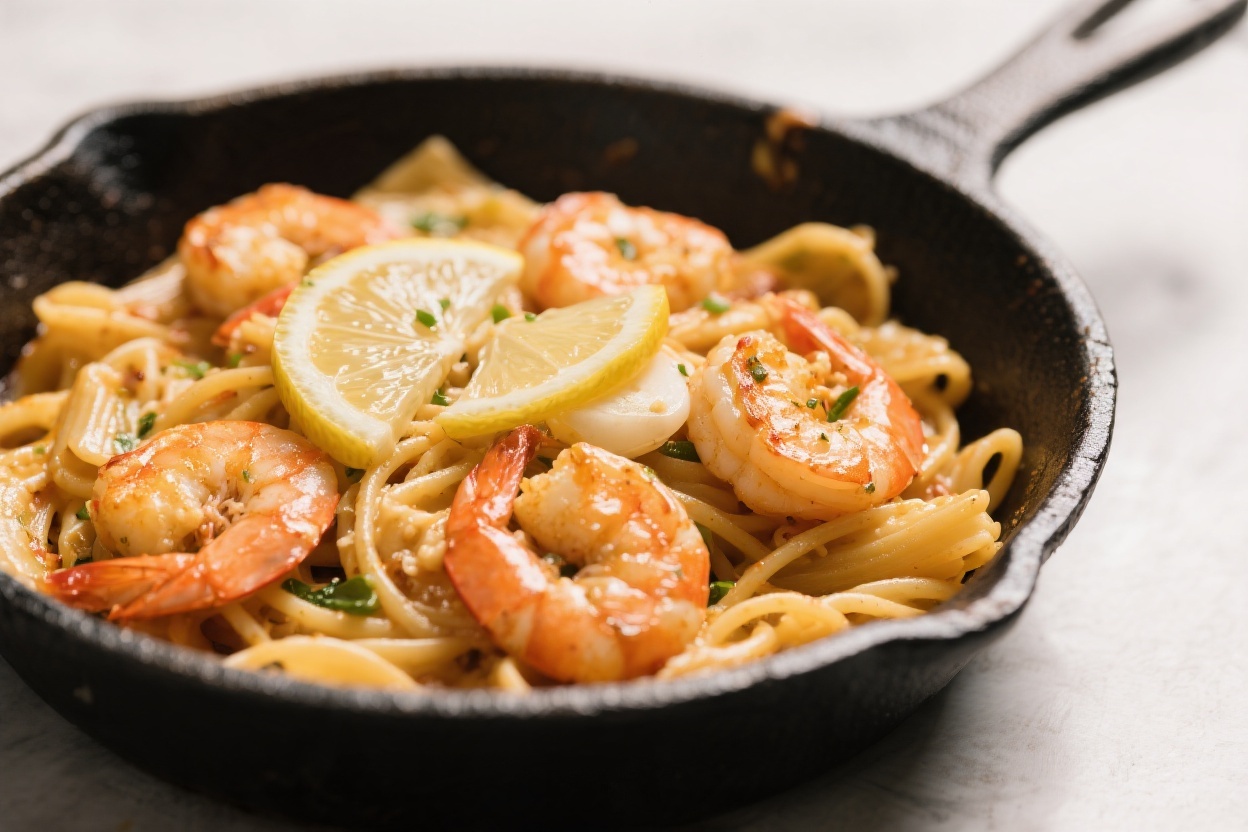
Lemon Garlic Shrimp Pasta Skillet - Bright, Buttery, and Ready Fast
Ingredients
Method
- Boil the pasta: Bring a large pot of salted water to a boil.Cook pasta until just shy of al dente. Reserve 1 cup of pasta water, then drain.
- Season the shrimp: Pat shrimp dry. Toss with a big pinch of salt, black pepper, and a drizzle of olive oil.
- Sear the shrimp: Heat 1 tablespoon olive oil and 1 tablespoon butter in a large skillet over medium-high.Add shrimp in a single layer. Cook 1–2 minutes per side until just pink and opaque. Transfer to a plate.
- Sauté the aromatics: Reduce heat to medium.Add remaining butter and olive oil. Stir in garlic and red pepper flakes. Cook 30–60 seconds, just until fragrant, not browned.
- Deglaze: Pour in white wine (or broth).Scrape up any browned bits. Simmer 1–2 minutes to reduce slightly.
- Add lemon: Stir in lemon zest and 2 tablespoons lemon juice. Taste; add more juice if you want extra brightness later.
- Build the sauce: Add 1/2 cup reserved pasta water.Bring to a gentle simmer. The liquid should look slightly creamy once it emulsifies with the butter and oil.
- Toss pasta: Add drained pasta to the skillet. Toss for 1–2 minutes so the pasta absorbs the sauce.Add splashes of pasta water as needed for a silky coating.
- Finish with shrimp: Return shrimp and any juices to the skillet. Toss until heated through, about 1 minute.
- Cheese and herbs: Off heat, sprinkle in Parmesan and parsley. Toss again.Adjust salt, pepper, and lemon to taste.
- Optional veggies: If using spinach or peas, fold them in during step 9 so they wilt/warm. If using tomatoes, add them with the garlic to soften slightly.
- Serve: Plate hot with extra Parmesan, a crack of black pepper, and lemon wedges.
What Makes This Recipe So Good
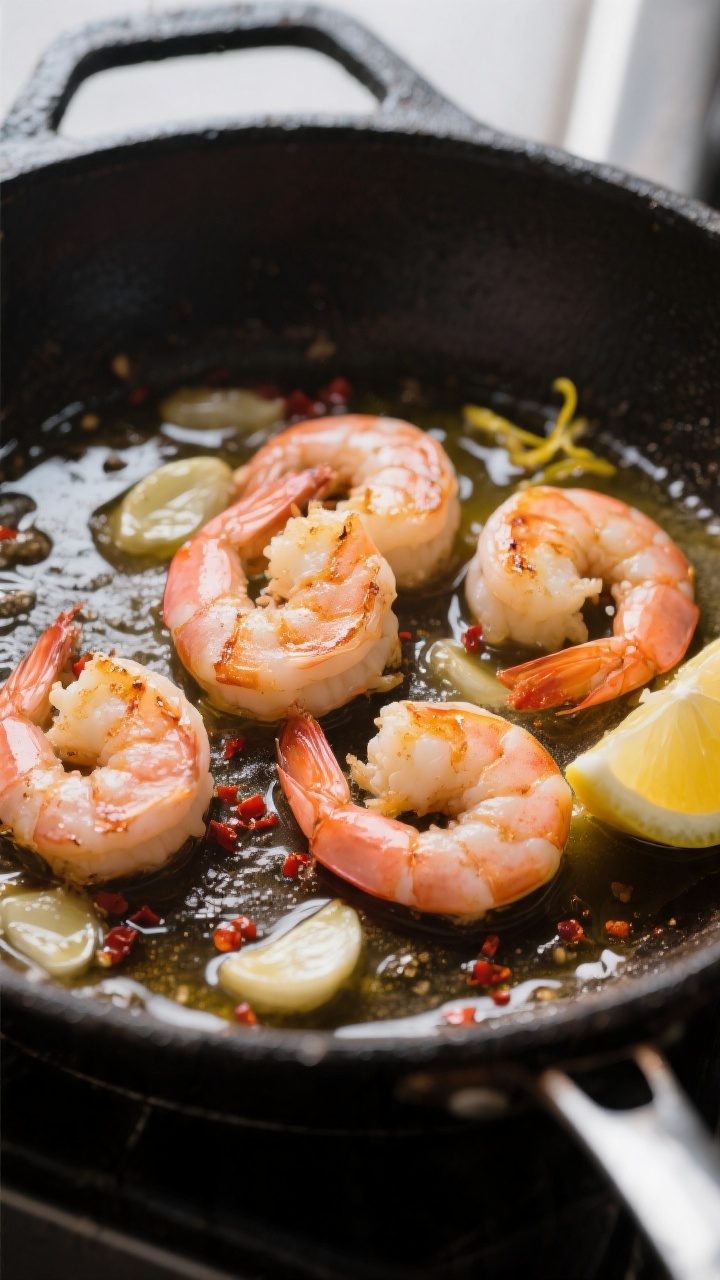
This skillet pasta nails that perfect balance of bright and rich. The lemon keeps things lifted, while butter and olive oil add a little gloss and body.
Garlic and red pepper flakes bring warmth without overpowering the shrimp. Best of all, it’s a true one-pan situation once the pasta is cooked, so cleanup is painless. It’s fast, flexible, and satisfying—ideal for busy nights or casual date dinners.
- Fast: From start to finish in about 25–30 minutes.
- Flavor-packed: Garlic, lemon zest, and parsley wake everything up.
- Balanced: Light and fresh but still buttery and comforting.
- Flexible: Works with spaghetti, linguine, or short pasta like penne.
- One-skillet finish: Toss everything together in the same pan for an easy, glossy sauce.
Shopping List
- Shrimp: 1 to 1.25 pounds large shrimp, peeled and deveined (tails on or off)
- Pasta: 12 ounces spaghetti, linguine, or fettuccine
- Olive oil: 2 tablespoons
- Butter: 3 tablespoons
- Garlic: 4–5 cloves, thinly sliced or minced
- Lemon: 1 large, for zest and 2–3 tablespoons juice
- Crushed red pepper flakes: 1/4 to 1/2 teaspoon (optional, to taste)
- White wine or chicken broth: 1/2 cup
- Parmesan: 1/3 cup freshly grated, plus more for serving (optional)
- Fresh parsley: 1/4 cup chopped
- Salt and black pepper: To taste
- Pasta water: Reserve 1 cup, for emulsifying the sauce
- Optional add-ins: 1 cup halved cherry tomatoes, 2 cups baby spinach, or 1/2 cup peas
Instructions
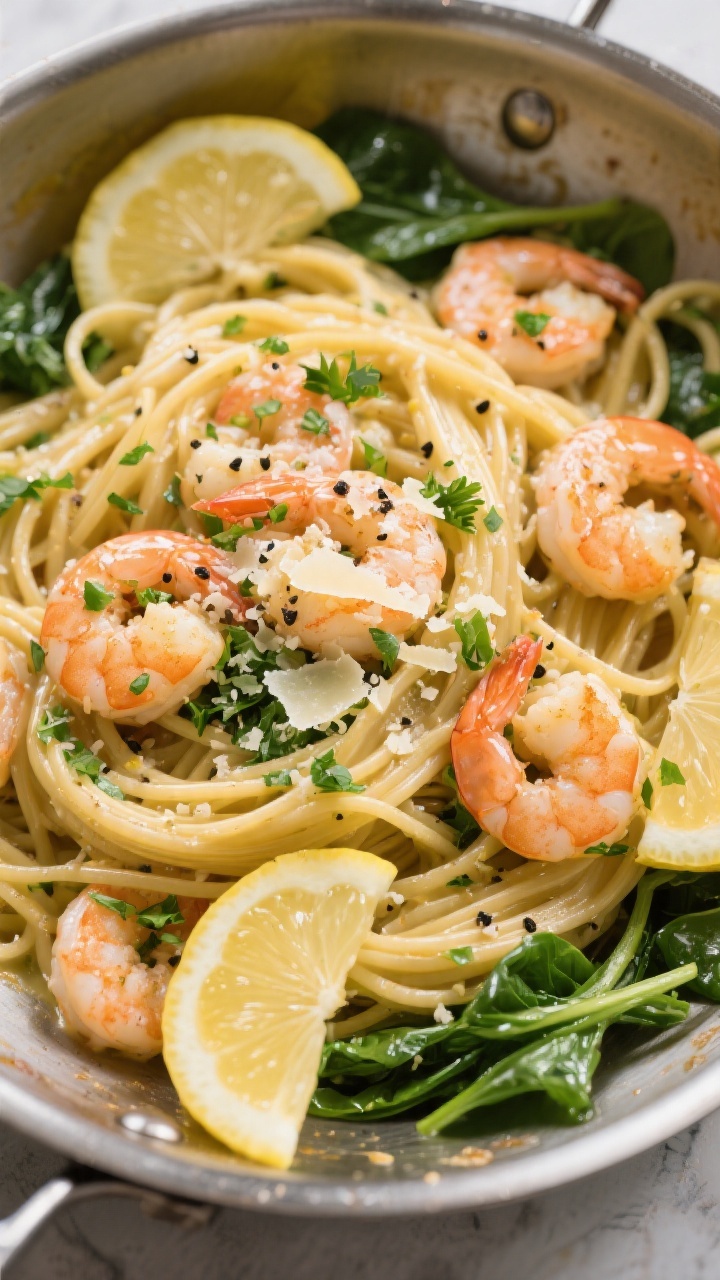
- Boil the pasta: Bring a large pot of salted water to a boil.
Cook pasta until just shy of al dente. Reserve 1 cup of pasta water, then drain.
- Season the shrimp: Pat shrimp dry. Toss with a big pinch of salt, black pepper, and a drizzle of olive oil.
- Sear the shrimp: Heat 1 tablespoon olive oil and 1 tablespoon butter in a large skillet over medium-high.
Add shrimp in a single layer. Cook 1–2 minutes per side until just pink and opaque. Transfer to a plate.
- Sauté the aromatics: Reduce heat to medium.
Add remaining butter and olive oil. Stir in garlic and red pepper flakes. Cook 30–60 seconds, just until fragrant, not browned.
- Deglaze: Pour in white wine (or broth).
Scrape up any browned bits. Simmer 1–2 minutes to reduce slightly.
- Add lemon: Stir in lemon zest and 2 tablespoons lemon juice. Taste; add more juice if you want extra brightness later.
- Build the sauce: Add 1/2 cup reserved pasta water.
Bring to a gentle simmer. The liquid should look slightly creamy once it emulsifies with the butter and oil.
- Toss pasta: Add drained pasta to the skillet. Toss for 1–2 minutes so the pasta absorbs the sauce.
Add splashes of pasta water as needed for a silky coating.
- Finish with shrimp: Return shrimp and any juices to the skillet. Toss until heated through, about 1 minute.
- Cheese and herbs: Off heat, sprinkle in Parmesan and parsley. Toss again.
Adjust salt, pepper, and lemon to taste.
- Optional veggies: If using spinach or peas, fold them in during step 9 so they wilt/warm. If using tomatoes, add them with the garlic to soften slightly.
- Serve: Plate hot with extra Parmesan, a crack of black pepper, and lemon wedges.
How to Store
Let leftovers cool, then store in an airtight container in the fridge for up to 3 days. Reheat gently in a skillet over medium-low with a splash of water or broth to loosen the sauce.
Microwaving works in a pinch, but the shrimp can overcook, so use short bursts and stir between rounds. This dish doesn’t freeze well because shrimp can turn rubbery and the sauce can split after thawing.
Why This is Good for You
- Lean protein: Shrimp offers protein with fewer calories and less saturated fat than many meats.
- Healthy fats: Olive oil adds heart-friendly monounsaturated fats.
- Vitamin boost: Lemon brings vitamin C, and parsley adds vitamin K and antioxidants.
- Portion control friendly: The bold lemon-garlic flavor makes smaller portions satisfying.
- Customizable veggies: Spinach, tomatoes, or peas add fiber and color without extra fuss.
What Not to Do
- Don’t overcook the shrimp: They go from tender to tough fast. Pull them as soon as they curl and turn opaque.
- Don’t skip the pasta water: It’s starchy and helps emulsify the sauce so it clings to the pasta.
- Don’t brown the garlic: Burnt garlic tastes bitter and will dominate the dish.
- Don’t add lemon too early: Add juice after deglazing to keep the flavor bright, not cooked down.
- Don’t drown it in cheese: Parmesan is great, but too much can make the sauce clumpy and salty.
Variations You Can Try
- Creamy version: Stir in 1/4 cup heavy cream or half-and-half in step 7 for a lush, velvety sauce.
- Lemony-herb twist: Add fresh basil, dill, or chives with the parsley for a garden finish.
- Roasted garlic: Swap raw garlic for mashed roasted garlic to make it sweeter and deeper.
- Veggie-forward: Add asparagus tips, zucchini ribbons, or broccoli florets sautéed before the shrimp.
- Gluten-free: Use gluten-free pasta and double-check broth and Parmesan labels.
- Extra heat: Boost red pepper flakes or drizzle with Calabrian chili oil before serving.
- Capers and olives: Toss in a tablespoon of capers or sliced olives for briny punch.
Stop wondering what's for dinner.
Get 7 healthy, family-friendly dinners complete with recipes and simple meal plans delivered straight to your inbox.
FAQ
Can I use frozen shrimp?
Yes.
Thaw them in the fridge overnight or place them in a colander under cold running water for 5–7 minutes. Pat very dry before cooking so they sear instead of steaming.
What’s the best pasta shape for this skillet?
Linguine or spaghetti works best for soaking up the sauce, but short shapes like penne or fusilli grab the bits of garlic and parsley nicely. Use what you have and adjust the tossing time to coat well.
Do I need the wine?
No.
Chicken broth or vegetable broth works fine. The wine adds a subtle acidity and aroma, but lemon juice and zest deliver plenty of brightness on their own.
How do I avoid a watery sauce?
Simmer the wine or broth briefly to reduce, then use reserved pasta water in small splashes. Toss over heat until the sauce looks glossy and clings to the pasta.
Finishing off heat with Parmesan helps it thicken slightly.
Can I make it dairy-free?
Yes. Use more olive oil instead of butter and skip the Parmesan. For a cheesy vibe, add a sprinkle of nutritional yeast or toasted breadcrumbs for texture.
What if I only have small shrimp?
They’ll cook faster, so reduce the sear time to about 45–60 seconds per side.
Consider adding them after the pasta is in the skillet so you don’t risk overcooking while you build the sauce.
Is this good for meal prep?
It’s best fresh, but it holds up for a couple of days. Keep a little extra pasta water or broth on hand to revive the sauce when reheating. Add a squeeze of lemon right before eating to refresh the flavors.
Wrapping Up
This Lemon Garlic Shrimp Pasta Skillet proves that simple ingredients can deliver big flavor in almost no time.
With a few smart steps—good sear, quick deglaze, starchy pasta water—you get a silky, lemony sauce that hugs every noodle. Keep it classic or riff with veggies and herbs. Either way, it’s a bright, satisfying dinner you’ll want in your weeknight rotation.
Printable Recipe Card
Want just the essential recipe details without scrolling through the article? Get our printable recipe card with just the ingredients and instructions.
Loved This Recipe?
If you're looking for more simple, healthy dinners your family will actually eat, grab my FREE 7-Day Easy Dinner Reset. You'll get 7 easy dinner recipes, simple grocery lists, and a done-for-you plan that takes the stress out of mealtime.