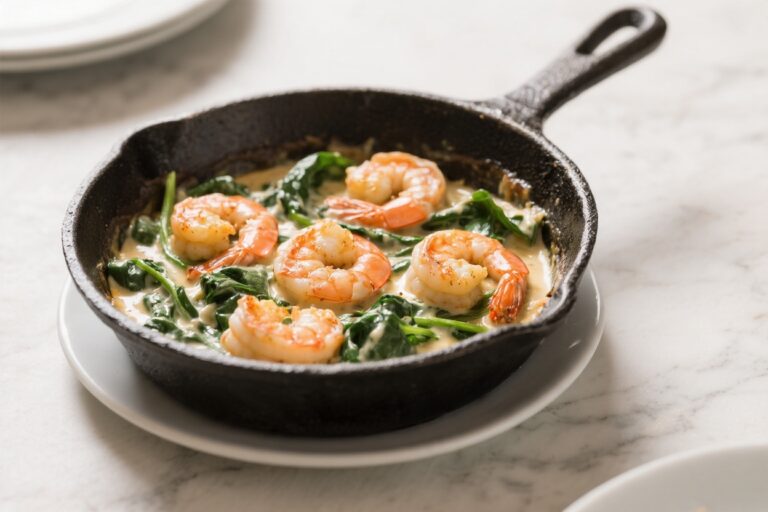
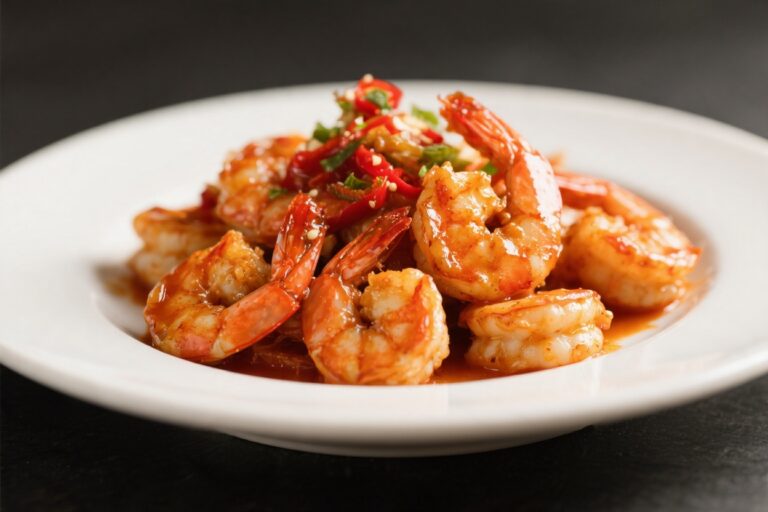
Creamy Shrimp Risotto – Comforting, Rich, and Easy to Master
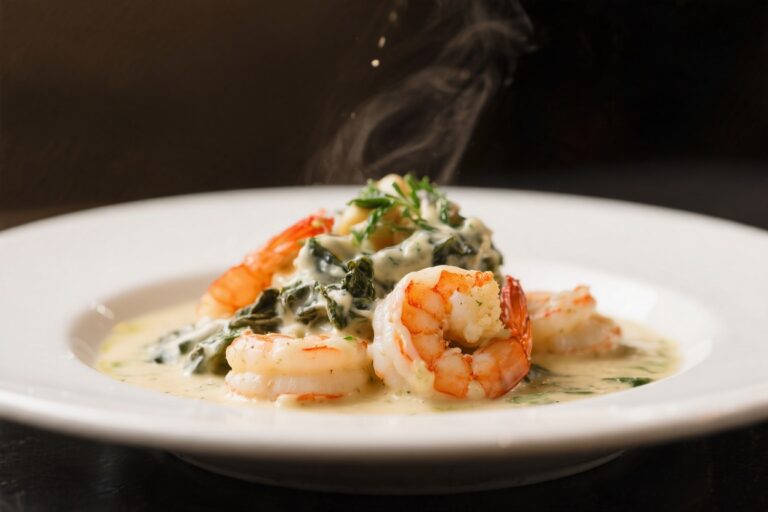
There’s something special about a bowl of risotto that feels both cozy and a little luxurious. This creamy shrimp risotto brings that restaurant-style feel to your own kitchen without being fussy. The rice turns silky and rich, the shrimp stay tender and juicy, and every bite is layered with garlic, lemon, and a hint of butter.
FREE 7-Day Easy Dinner Reset
FREE 7-Day Easy Dinner Reset
It’s a dish that works for weeknights but still feels right for a celebration. If you’ve never tried making risotto at home, this is a fantastic place to start.
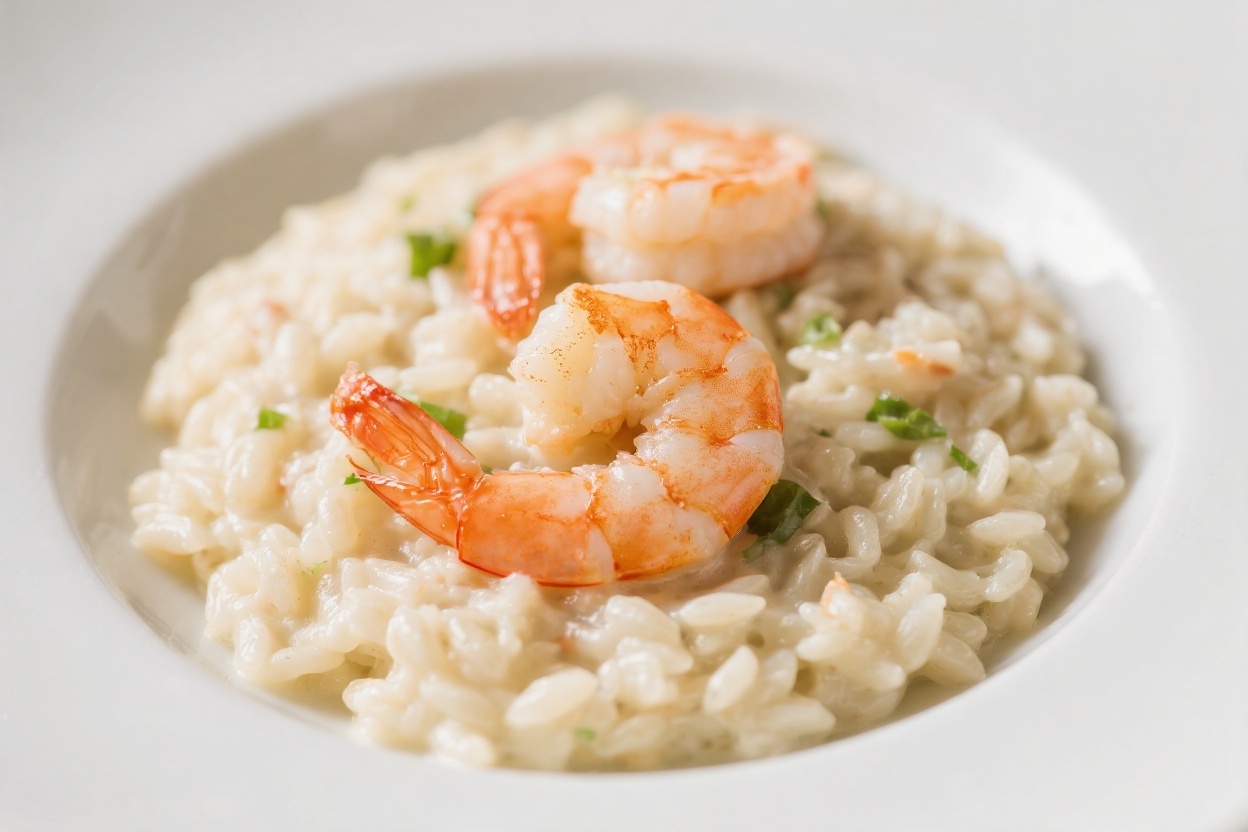
Creamy Shrimp Risotto – Comforting, Rich, and Easy to Master
Ingredients
Method
- Warm the stock: In a saucepan, bring the stock to a gentle simmer and keep it warm over low heat.Warm stock helps the rice cook evenly and release starch.
- Prep the shrimp: Pat the shrimp dry. Season with salt, pepper, and a pinch of red pepper flakes if you like heat. Set aside.
- Sauté aromatics: In a wide, heavy pan, heat 1 tablespoon olive oil and 1 tablespoon butter over medium heat.Add finely chopped onion (or shallot) and a pinch of salt. Cook until translucent, 3–4 minutes. Stir in minced garlic and cook 30 seconds, until fragrant.
- Toast the rice: Add 1½ cups arborio rice to the pan.Stir to coat in the fat and toast for 1–2 minutes. The grains should look slightly pearly around the edges.
- Deglaze with wine: Pour in 1/2 cup dry white wine. Stir until it’s mostly absorbed.This step adds brightness and depth; skip if you prefer and start with stock instead.
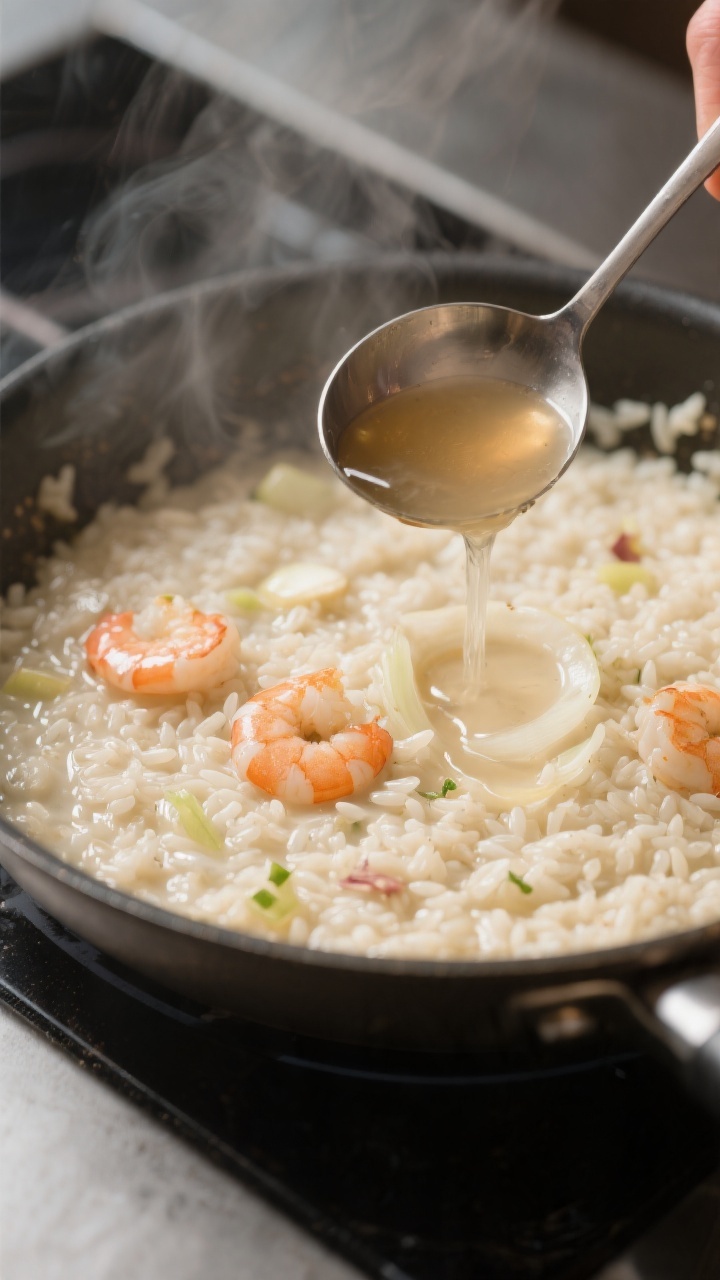
- Add stock gradually: Add a ladle (about 1/2–3/4 cup) of warm stock to the rice. Stir gently and consistently as it simmers. When most of the liquid is absorbed and the spoon leaves a trail, add another ladle.Continue this rhythm for 16–20 minutes.
- Season and taste as you go: Add small pinches of salt along the way, tasting every few additions of stock. Risotto should taste well-seasoned, not salty.
- Cook the shrimp: When the rice is close to al dente (creamy with a slight bite), push it to the sides of the pan or use a separate skillet. Add a drizzle of olive oil and 1 tablespoon butter.Sear shrimp 1–2 minutes per side, just until pink and opaque. Squeeze in a little lemon juice. Don’t overcook.
- Finish the risotto: Stir the shrimp and any buttery juices into the risotto.Off the heat, add a handful of grated parmesan, 1 tablespoon butter, lemon zest, and chopped parsley. Stir until glossy and loose. If it tightens too much, add a splash of warm stock.
- Adjust and serve: Taste and adjust with salt, pepper, and more lemon if needed.The risotto should softly mound on a spoon and gently spread on the plate—neither soupy nor stiff.
What Makes This Recipe So Good
- Ultra-creamy texture: Arborio rice releases starch as it cooks, giving you a naturally velvety sauce without heavy cream.
- Big flavor, simple steps: Garlic, white wine, and parmesan do the heavy lifting. Shrimp adds sweet, briny depth.
- Flexible timing: Shrimp cooks in minutes, so you can make the risotto base first and finish fast.
- Restaurant-worthy, budget-friendly: A few quality ingredients go a long way.
- Easy to customize: Add peas, asparagus, or a handful of spinach for color and freshness.
Shopping List
- Arborio rice (or carnaroli, if available)
- Large shrimp, peeled and deveined (tails on or off)
- Low-sodium chicken or seafood stock (about 5–6 cups)
- Dry white wine (optional but recommended)
- Yellow onion or shallot
- Garlic
- Unsalted butter
- Olive oil
- Parmesan cheese, freshly grated
- Lemon (zest and juice)
- Fresh parsley (or chives)
- Red pepper flakes (optional)
- Salt and black pepper
How to Make It
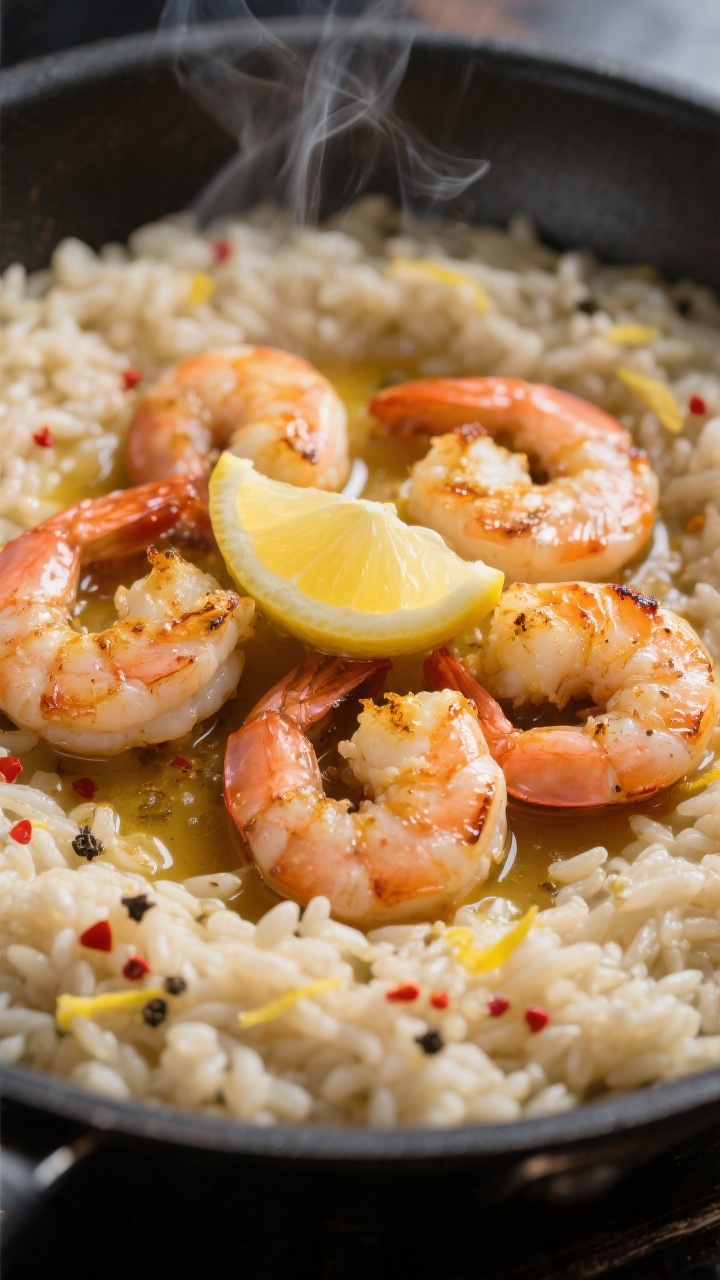
- Warm the stock: In a saucepan, bring the stock to a gentle simmer and keep it warm over low heat.
Warm stock helps the rice cook evenly and release starch.
- Prep the shrimp: Pat the shrimp dry. Season with salt, pepper, and a pinch of red pepper flakes if you like heat. Set aside.
- Sauté aromatics: In a wide, heavy pan, heat 1 tablespoon olive oil and 1 tablespoon butter over medium heat.
Add finely chopped onion (or shallot) and a pinch of salt. Cook until translucent, 3–4 minutes. Stir in minced garlic and cook 30 seconds, until fragrant.
- Toast the rice: Add 1½ cups arborio rice to the pan.
Stir to coat in the fat and toast for 1–2 minutes. The grains should look slightly pearly around the edges.
- Deglaze with wine: Pour in 1/2 cup dry white wine. Stir until it’s mostly absorbed.
This step adds brightness and depth; skip if you prefer and start with stock instead.
- Add stock gradually: Add a ladle (about 1/2–3/4 cup) of warm stock to the rice. Stir gently and consistently as it simmers. When most of the liquid is absorbed and the spoon leaves a trail, add another ladle.
Continue this rhythm for 16–20 minutes.
- Season and taste as you go: Add small pinches of salt along the way, tasting every few additions of stock. Risotto should taste well-seasoned, not salty.
- Cook the shrimp: When the rice is close to al dente (creamy with a slight bite), push it to the sides of the pan or use a separate skillet. Add a drizzle of olive oil and 1 tablespoon butter.
Sear shrimp 1–2 minutes per side, just until pink and opaque. Squeeze in a little lemon juice. Don’t overcook.
- Finish the risotto: Stir the shrimp and any buttery juices into the risotto.
Off the heat, add a handful of grated parmesan, 1 tablespoon butter, lemon zest, and chopped parsley. Stir until glossy and loose. If it tightens too much, add a splash of warm stock.
- Adjust and serve: Taste and adjust with salt, pepper, and more lemon if needed.
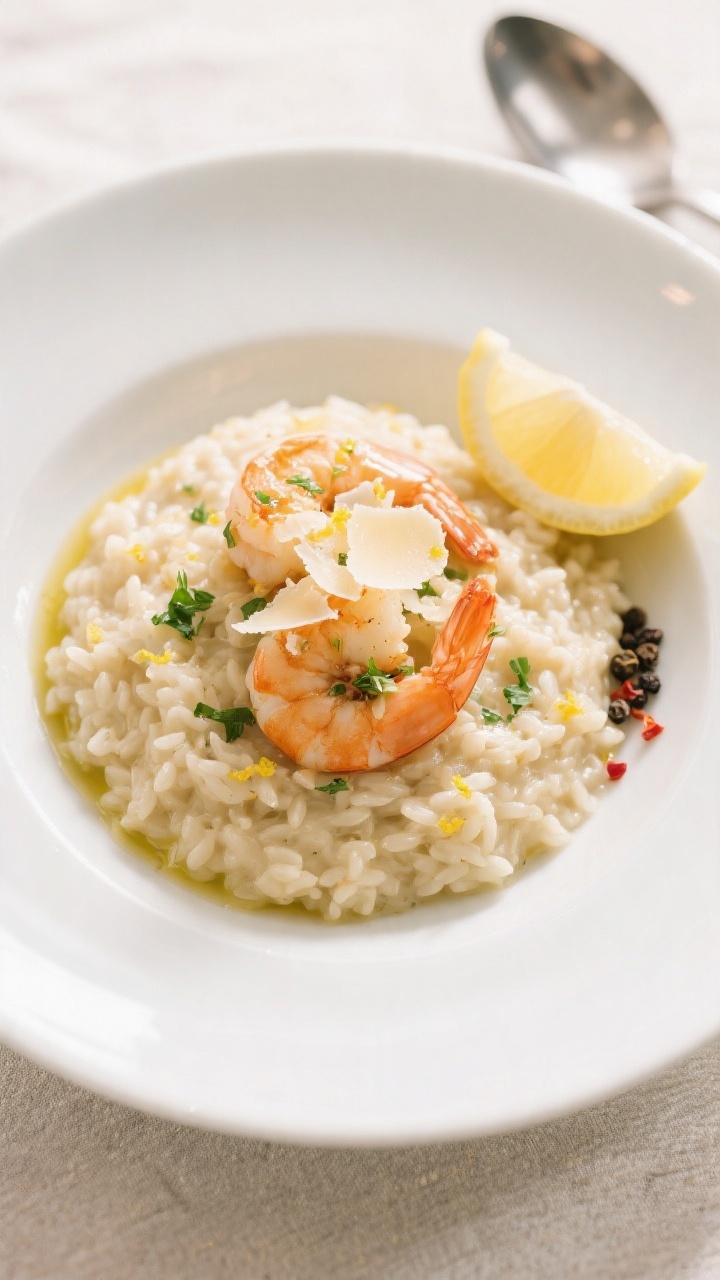
The risotto should softly mound on a spoon and gently spread on the plate—neither soupy nor stiff.
Keeping It Fresh
- Storage: Cool quickly and store in an airtight container for up to 2 days. Shrimp is best eaten the day it’s cooked, but leftovers can still be tasty.
- Reheating: Warm gently on the stove with a splash of stock or water, stirring until creamy again. Avoid high heat to keep the shrimp tender.
- Freezing: Not ideal.
The texture of both rice and shrimp suffers after thawing.
- Make-ahead tip: You can par-cook the risotto to about 75% done, spread it on a sheet pan to cool, then finish with hot stock right before serving. Cook shrimp fresh at the end.
Health Benefits
- Lean protein: Shrimp provides high-quality protein with relatively low calories and fat.
- Micronutrients: Shrimp contains selenium, iodine, and B vitamins. Parsley and lemon add vitamin C and antioxidants.
- Portion control: Because risotto is rich, a moderate serving is satisfying.
Pair with a side of greens for balance.
- Customizable fats: You control butter and cheese amounts. Using olive oil and a moderate portion of parmesan keeps it lighter without losing flavor.
Pitfalls to Watch Out For
- Overcooking shrimp: They turn rubbery fast. Pull them as soon as they’re pink and just firm.
- Cold stock: It slows cooking and can make the texture uneven.
Keep it steaming, not boiling.
- Rushing the rice: Adding too much liquid at once dilutes starch release. Ladle gradually and stir.
- Skipping tasting: Underseasoned risotto falls flat. Season in layers and finish with lemon for brightness.
- Letting it sit: Risotto thickens as it rests.
Keep a little extra warm stock to loosen right before serving.
Alternatives
- Seafood swap: Try scallops, crab, or a mix of shrimp and mussels. Adjust cooking times accordingly.
- Vegetable boost: Stir in peas, blanched asparagus tips, or baby spinach in the last 2–3 minutes.
- Dairy tweaks: Use pecorino instead of parmesan for a saltier bite. For a lighter finish, skip the final butter and add a drizzle of good olive oil.
- Grain options: Arborio is classic, but carnaroli yields a slightly firmer, luxurious texture.
Avoid long-grain rice; it won’t get creamy.
- No-wine version: Replace wine with stock and a teaspoon of lemon juice at the end for brightness.
FAQ
Do I have to stir the entire time?
Stop wondering what's for dinner.
Get 7 healthy, family-friendly dinners complete with recipes and simple meal plans delivered straight to your inbox.
No, but frequent stirring helps release starch and prevents sticking. Aim to stir every minute or so, staying attentive as the liquid absorbs.
How do I know when the risotto is done?
The grains should be al dente—tender with a slight core—and the texture should be creamy and flow slowly on the plate. If it’s thick and sticky, add a splash of stock; if it’s soupy, cook a minute longer.
Can I use frozen shrimp?
Yes.
Thaw overnight in the fridge or under cold running water. Pat very dry before cooking so they sear, not steam.
Is heavy cream necessary?
No. The creaminess comes from the rice’s starch, butter, and cheese.
If you want it richer, add a small splash of cream at the end, but it’s optional.
What wine works best?
A dry white like Pinot Grigio, Sauvignon Blanc, or unoaked Chardonnay is ideal. Avoid sweet wines, which can throw off the balance.
How much salt should I use?
Start lightly if your stock is salted. Season in small pinches as you add liquid and finish with parmesan and lemon.
Taste often to avoid oversalting.
Can I make it spicy?
Absolutely. Add red pepper flakes with the shrimp or a pinch while sautéing the aromatics for gentle heat.
What pan should I use?
A wide, heavy-bottomed skillet or sauté pan works best. More surface area helps the liquid evaporate evenly and makes stirring easier.
In Conclusion
Creamy shrimp risotto is the kind of dish that feels special but doesn’t demand chef-level skills.
With warm stock, steady stirring, and quick-cooked shrimp, you’ll get silky rice and bright, balanced flavor every time. Keep lemon, butter, and parmesan on hand, taste as you go, and don’t be afraid to add a splash more stock to get that perfect, spoonable texture. Serve it hot, garnish with herbs, and enjoy a comforting bowl that’s simple, elegant, and deeply satisfying.
Printable Recipe Card
Want just the essential recipe details without scrolling through the article? Get our printable recipe card with just the ingredients and instructions.
Loved This Recipe?
If you're looking for more simple, healthy dinners your family will actually eat, grab my FREE 7-Day Easy Dinner Reset. You'll get 7 easy dinner recipes, simple grocery lists, and a done-for-you plan that takes the stress out of mealtime.