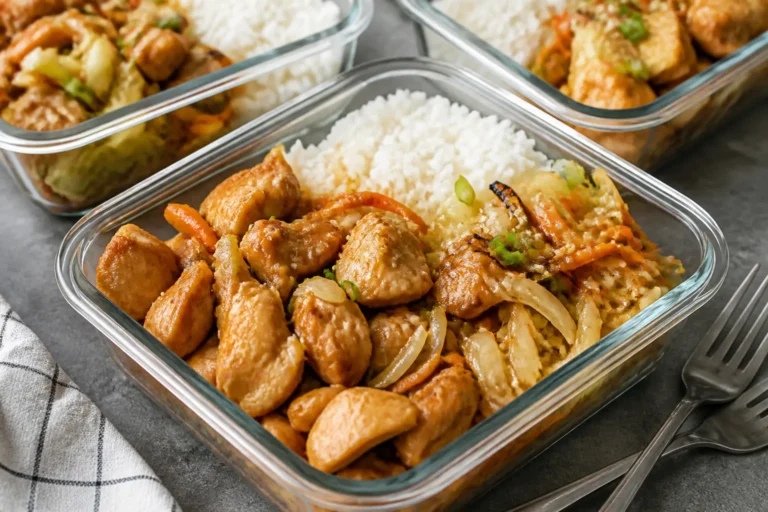
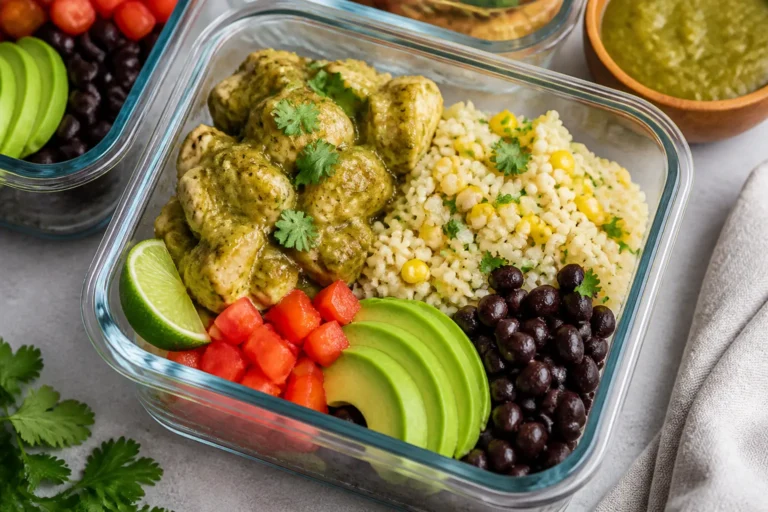
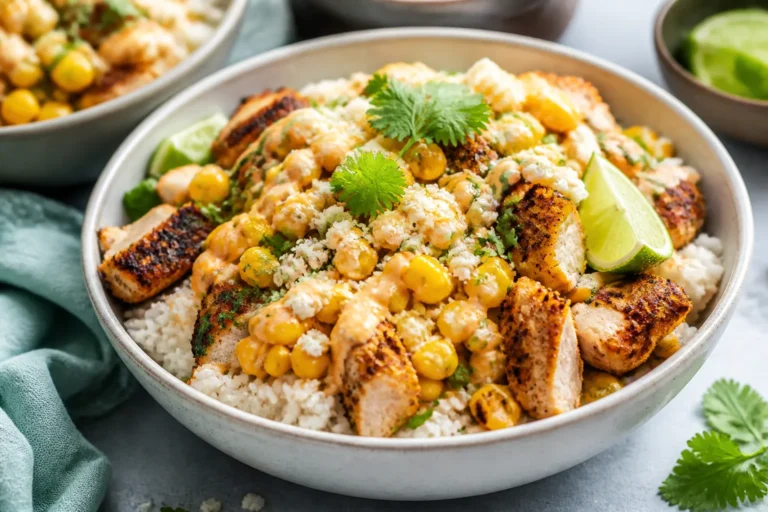
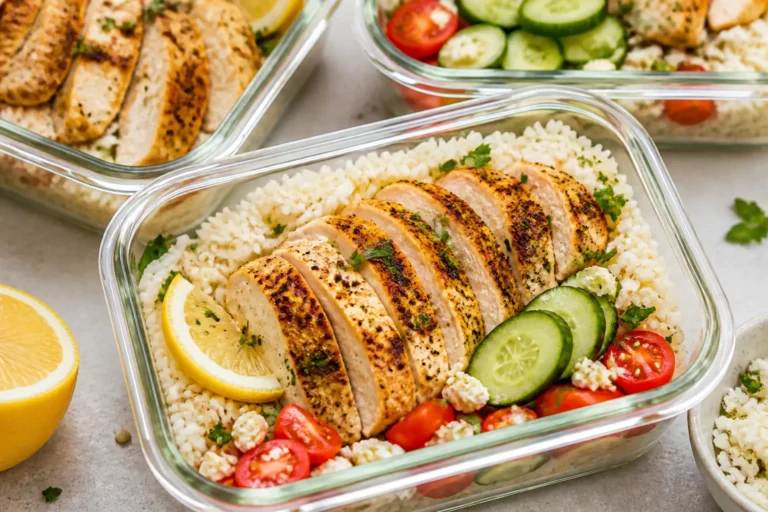
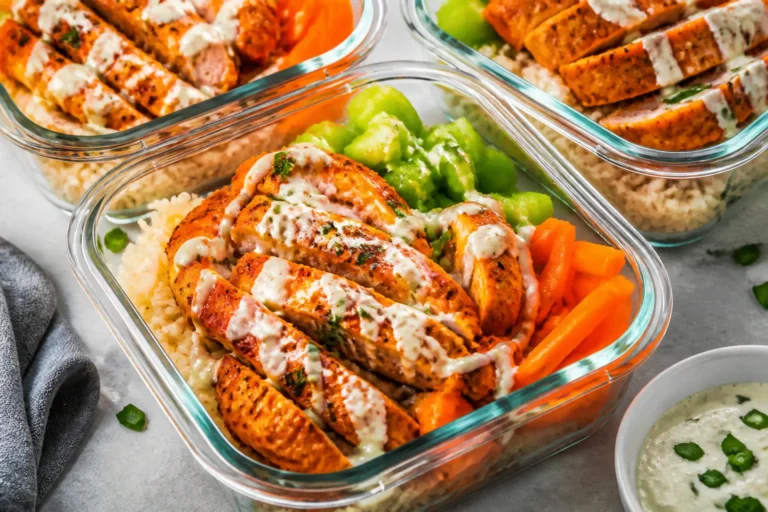
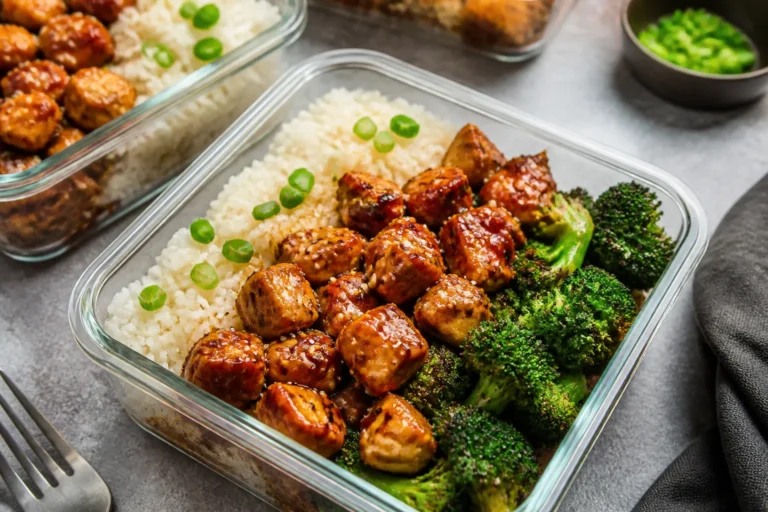
High Protein Salmon Rice Bowls – Simple, Satisfying, and Meal-Prep Friendly
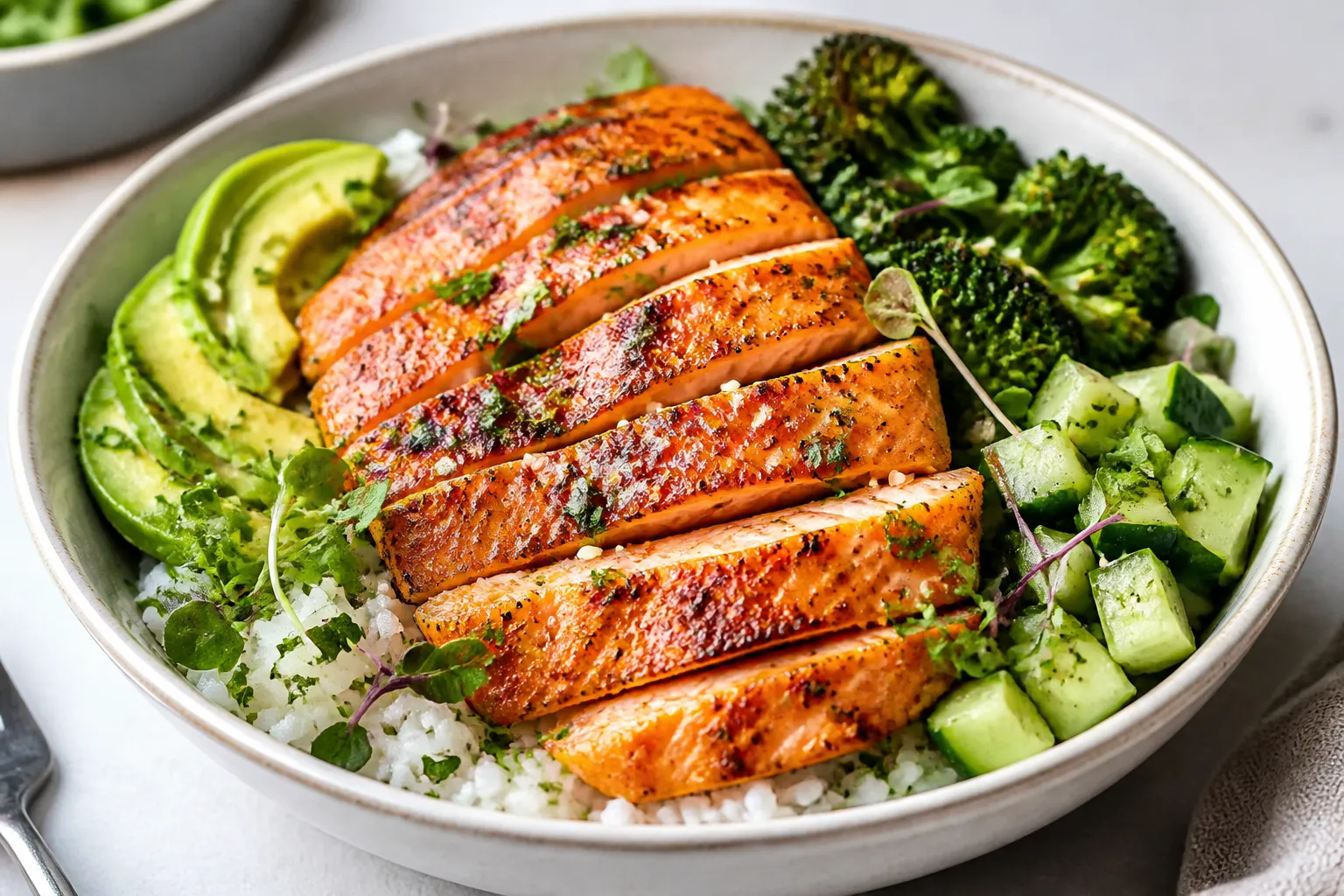
These salmon rice bowls check all the boxes: fast to make, full of flavor, and packed with protein to keep you satisfied. Think tender salmon, fluffy rice, crisp veggies, and a creamy, punchy sauce that ties it all together. It’s the kind of meal you’ll crave on busy weeknights and rely on for reliable meal prep.
FREE 7-Day Easy Dinner Reset
FREE 7-Day Easy Dinner Reset
You can keep it classic or switch it up with what you have on hand. Either way, it’s an easy bowl that feels fresh and balanced.
High Protein Salmon Rice Bowls - Simple, Satisfying, and Meal-Prep Friendly
Ingredients
Method
- Preheat and prep: Heat the oven to 425°F (220°C) or warm a skillet over medium-high heat. Pat salmon dry with paper towels and season lightly with salt and pepper.
- Make a quick marinade: In a small bowl, whisk soy sauce, honey, rice vinegar, sesame oil, ginger, garlic, and chili flakes.Brush or spoon over the salmon. Let it sit 10 minutes while you prep veggies.
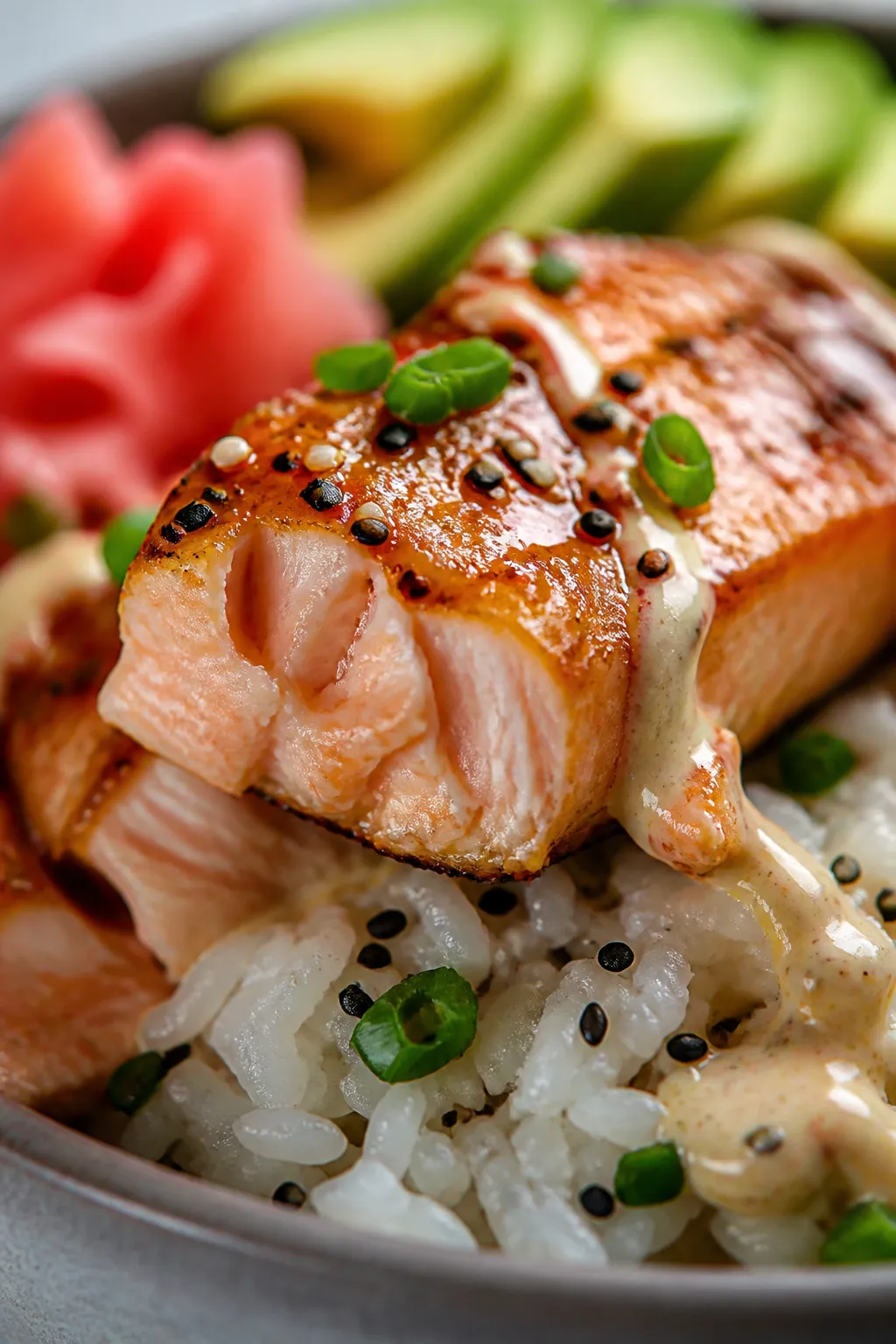
- Cook the salmon (oven option): Place salmon on a parchment-lined sheet. Bake 8–12 minutes, depending on thickness, until it flakes easily and the center is just opaque.Rest 3 minutes.
- Cook the salmon (skillet option): Add oil to a hot skillet. Place salmon skin-side down if using skin-on. Cook 3–4 minutes, flip, and cook another 2–4 minutes until just cooked through.Spoon extra marinade over during the last minute.
- Flake or slice: Remove skin if desired. Gently flake into big chunks or slice into portions. Keep warm.
- Prep the rice: Warm cooked rice.For extra flavor, sprinkle with a splash of rice vinegar and a pinch of salt. Fluff with a fork.
- Mix the sauce: Stir yogurt or mayo with sriracha, soy sauce, lime, and honey. Add a splash of water to reach a drizzleable consistency.Taste and adjust salt, heat, and sweetness.
- Assemble the bowls: Add rice to bowls. Top with salmon, cucumber, carrot, avocado, and scallions. Drizzle sauce generously.
- Finish with crunch: Sprinkle sesame seeds, add nori, and serve with lime wedges.Optional: a small spoon of pickled ginger for brightness.
- Make it your own: Add edamame for more protein, switch to brown rice for extra fiber, or use quinoa if you prefer.
Why This Recipe Works
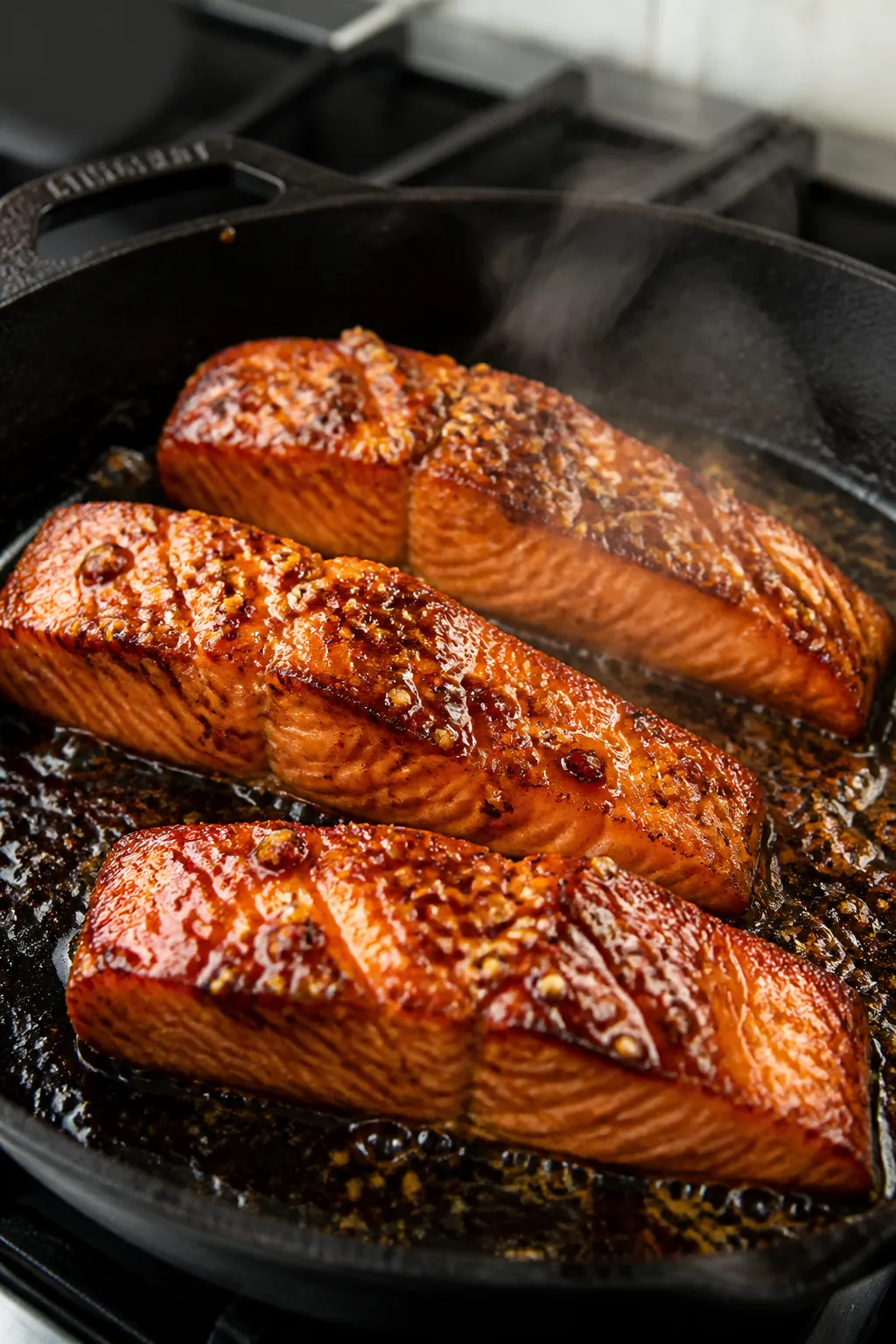
- High-quality protein: Salmon delivers complete protein plus omega-3s, so you get muscle support and heart-healthy fats in one bite.
- Balanced macros: Rice adds steady carbs, veggies bring fiber and crunch, and a yogurt or mayo-based sauce gives satisfying creaminess.
- Quick cooking: Salmon cooks in under 12 minutes. While it bakes or pan-sears, you can prep the rice and toppings.
- Versatile: Works with fresh or frozen salmon, white or brown rice, and a variety of sauces—from spicy to tangy.
- Great for meal prep: Components store well separately, so you can mix and match bowls all week.
What You’ll Need
- Salmon: 1 to 1.25 lbs skin-on or skinless fillets, cut into 2–3 portions.
- Rice: 3 cups cooked rice (jasmine, basmati, or brown).
Microwaveable pouches work well.
- Veggies: 1 cucumber (diced), 1–2 carrots (shredded or ribboned), 1 avocado (sliced), and 2 scallions (sliced). Optional: edamame, radish, or steamed broccoli.
- Marinade/Seasoning: 2 tbsp soy sauce or tamari, 1 tbsp honey or maple syrup, 1 tbsp rice vinegar or lime juice, 1 tsp sesame oil, 1 tsp grated ginger, 1 minced garlic clove, 1/2 tsp chili flakes (optional), salt and pepper.
- Sauce: 1/3 cup Greek yogurt or mayo, 1–2 tsp sriracha, 1 tsp soy sauce, 1 tsp lime juice, 1 tsp honey, water to thin as needed.
- Toppings: Toasted sesame seeds, nori strips, cilantro, pickled ginger, lime wedges.
- Oil: 1–2 tsp neutral oil for cooking (avocado or olive oil).
Step-by-Step Instructions
- Preheat and prep: Heat the oven to 425°F (220°C) or warm a skillet over medium-high heat. Pat salmon dry with paper towels and season lightly with salt and pepper.
- Make a quick marinade: In a small bowl, whisk soy sauce, honey, rice vinegar, sesame oil, ginger, garlic, and chili flakes.
Brush or spoon over the salmon. Let it sit 10 minutes while you prep veggies.
- Cook the salmon (oven option): Place salmon on a parchment-lined sheet. Bake 8–12 minutes, depending on thickness, until it flakes easily and the center is just opaque.
Rest 3 minutes.
- Cook the salmon (skillet option): Add oil to a hot skillet. Place salmon skin-side down if using skin-on. Cook 3–4 minutes, flip, and cook another 2–4 minutes until just cooked through.
Spoon extra marinade over during the last minute.
- Flake or slice: Remove skin if desired. Gently flake into big chunks or slice into portions. Keep warm.
- Prep the rice: Warm cooked rice.
For extra flavor, sprinkle with a splash of rice vinegar and a pinch of salt. Fluff with a fork.
- Mix the sauce: Stir yogurt or mayo with sriracha, soy sauce, lime, and honey. Add a splash of water to reach a drizzleable consistency.
Taste and adjust salt, heat, and sweetness.
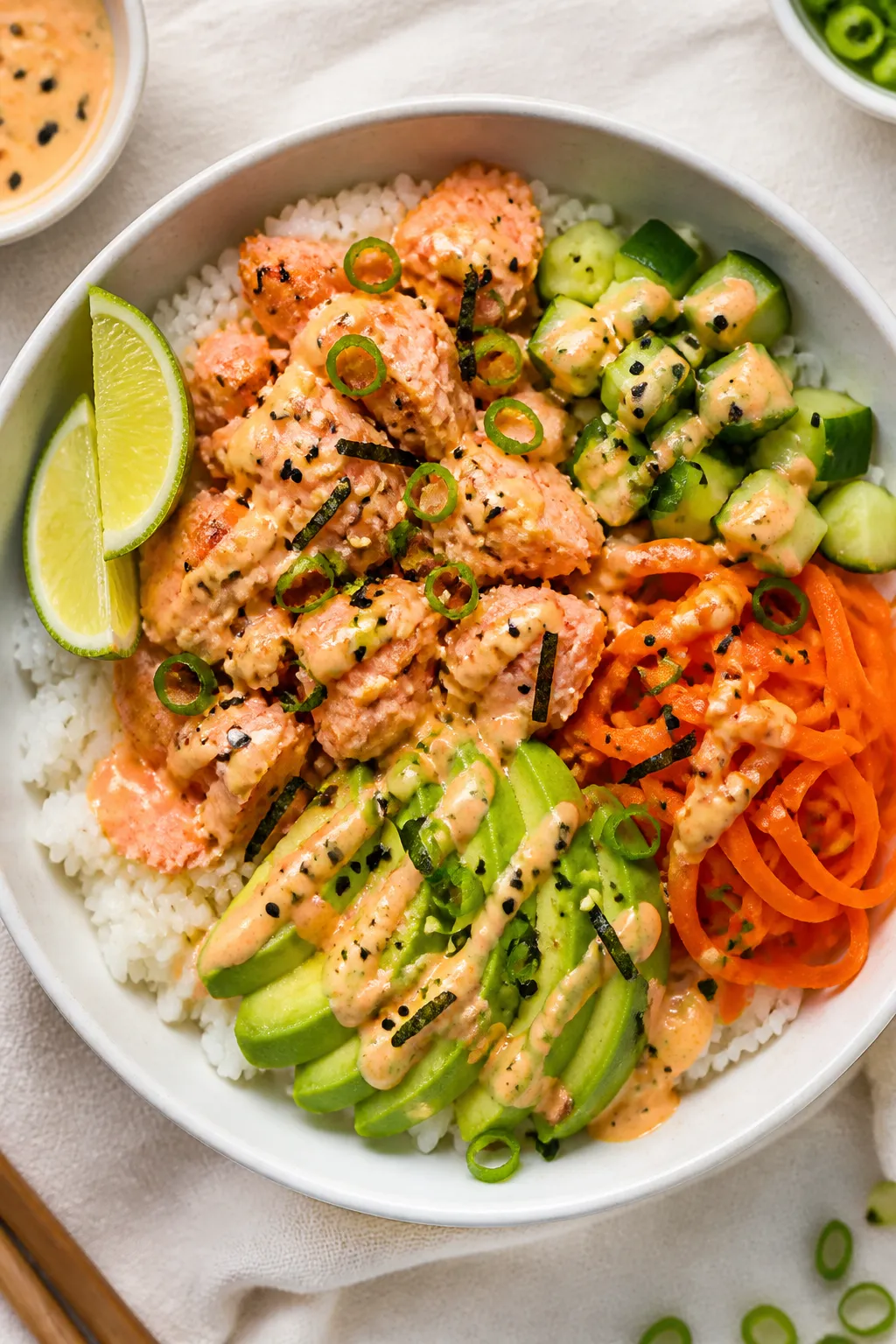
- Assemble the bowls: Add rice to bowls. Top with salmon, cucumber, carrot, avocado, and scallions. Drizzle sauce generously.
- Finish with crunch: Sprinkle sesame seeds, add nori, and serve with lime wedges.
Optional: a small spoon of pickled ginger for brightness.
- Make it your own: Add edamame for more protein, switch to brown rice for extra fiber, or use quinoa if you prefer.
Storage Instructions
- Refrigeration: Store salmon, rice, veggies, and sauce separately in airtight containers for up to 3 days. Keep avocado uncut until serving, or toss slices with lime and wrap tightly.
- Reheating: Warm rice and salmon gently in the microwave at 50–70% power to avoid drying. Add a splash of water over rice before reheating.
- Freezing: Cooked salmon and plain rice freeze well for up to 2 months.
Thaw overnight in the fridge. Do not freeze the fresh veggies or sauce.
- Meal-prep tip: Portion rice and salmon into containers, leave space for fresh toppings you’ll add the day you eat.
Benefits of This Recipe
- High protein and omega-3s: Supports muscle repair and heart and brain health.
- Fiber and micronutrients: Veggies add fiber, vitamin C, potassium, and antioxidants.
- Customizable for calories and macros: Adjust rice, sauce, and toppings to fit your goals without sacrificing flavor.
- Quick cleanup: Minimal cookware, especially if you line your sheet pan and use microwaveable rice.
- Budget-friendly flexibility: Use frozen salmon fillets, store-brand sauces, and seasonal produce.
Pitfalls to Watch Out For
- Overcooking salmon: Dry salmon happens fast. Pull it when the center is just opaque and flakes easily.
- Heavy-handed sauce: A rich sauce is great, but too much can overpower the fish.
Start with a drizzle, then add more.
- Wet rice: If rice is clumpy, spread it on a plate and microwave briefly to steam off moisture, then fluff.
- Unseasoned base: A pinch of salt or vinegar on the rice makes the whole bowl taste brighter.
- Soggy meal prep: Store components separately and add fresh veggies and sauce right before eating.
Alternatives
- Protein swaps: Use canned salmon or tuna, shrimp, tofu, or rotisserie chicken. For tofu, press, cube, and roast or pan-sear until crisp.
- Grain swaps: Try quinoa, farro, cauliflower rice, or mixed greens if you want to lower carbs.
- Sauce ideas: Spicy mayo (mayo + sriracha + lime), gochujang yogurt, ginger-scallion sauce, or a simple ponzu drizzle.
- Flavor profiles: Teriyaki glaze for sweet-savory, Cajun seasoning for heat, or lemon-dill for a lighter feel.
- Vegetable variations: Red cabbage, snap peas, roasted sweet potato, kimchi, or pickled cucumber for crunch and tang.
FAQ
Can I use frozen salmon?
Yes. Thaw it in the fridge overnight or use a quick cold-water bath in a sealed bag.
Pat very dry before seasoning so it sears or bakes well.
Stop wondering what's for dinner.
Get 7 healthy, family-friendly dinners complete with recipes and simple meal plans delivered straight to your inbox.
What rice works best?
Jasmine or basmati for a fluffy, fragrant base. Brown rice if you want more fiber. Sushi rice is great too—just season lightly with rice vinegar, sugar, and salt.
How do I know the salmon is done?
Look for a slightly opaque center and easy flaking with a fork.
Internal temperature should reach about 125–130°F for moist, medium doneness after resting.
Is there a dairy-free option for the sauce?
Use mayo, a dairy-free yogurt, or even tahini. Thin with water or lime juice and season with soy sauce, sriracha, or garlic.
Can I make this gluten-free?
Yes. Use tamari or coconut aminos instead of soy sauce and check labels on sauces.
Serve with rice or a gluten-free grain.
How can I add even more protein?
Add shelled edamame, an extra salmon portion, or swap in Greek yogurt as the sauce base. Quinoa instead of rice adds a protein boost too.
What if I don’t like spicy food?
Skip the sriracha and chili. Try a lemon-garlic yogurt or a mild sesame-ginger dressing instead.
Can I air fry the salmon?
Yes.
Air fry at 390°F (200°C) for 7–10 minutes, depending on thickness, until just cooked through.
How do I keep avocado from browning?
Toss slices with lime juice and store tightly wrapped with minimal air exposure. Add to bowls right before serving.
What vegetables can I prep ahead?
Cucumber, shredded carrot, scallions, and steamed edamame all hold well for 2–3 days. Slice avocado the day you plan to eat.
Wrapping Up
High Protein Salmon Rice Bowls are easy, flexible, and seriously satisfying.
With a short ingredient list and simple steps, they fit weeknights and meal prep without sacrificing flavor. Mix and match sauces and veggies to keep things interesting. Once you make these bowls a couple of times, you’ll have a go-to formula you can tweak all year long.
Printable Recipe Card
Want just the essential recipe details without scrolling through the article? Get our printable recipe card with just the ingredients and instructions.
Loved This Recipe?
If you're looking for more simple, healthy dinners your family will actually eat, grab my FREE 7-Day Easy Dinner Reset. You'll get 7 easy dinner recipes, simple grocery lists, and a done-for-you plan that takes the stress out of mealtime.