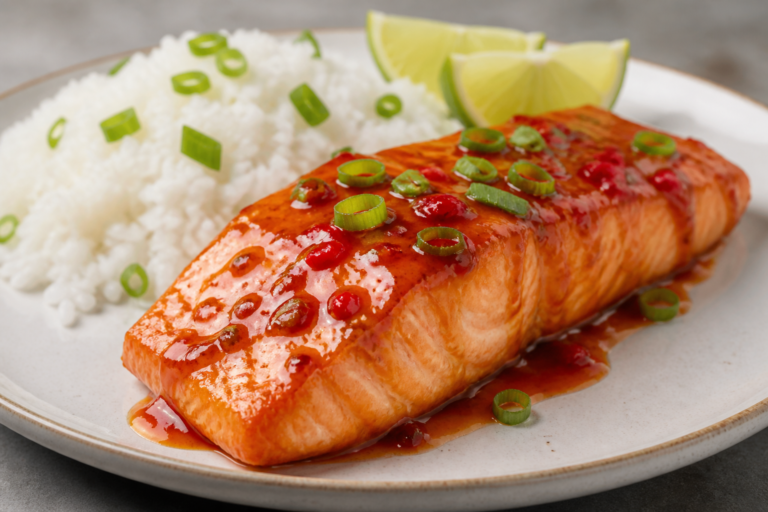
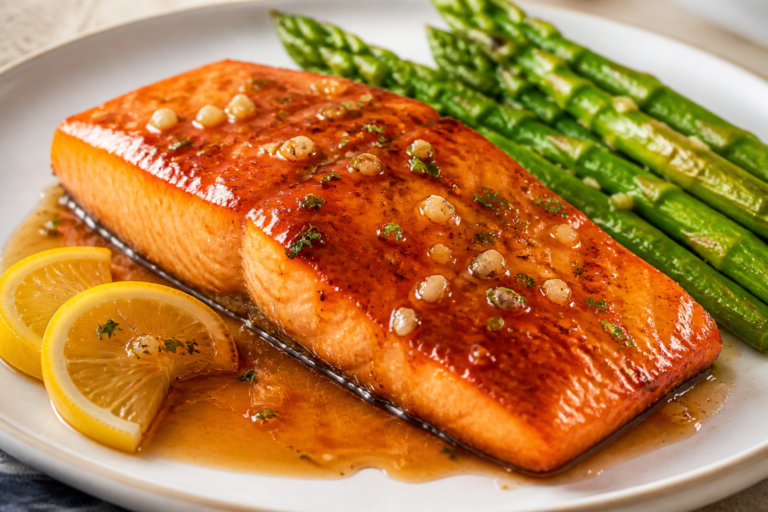
Sticky Sesame Glazed Salmon – Sweet, Savory, and Weeknight-Friendly
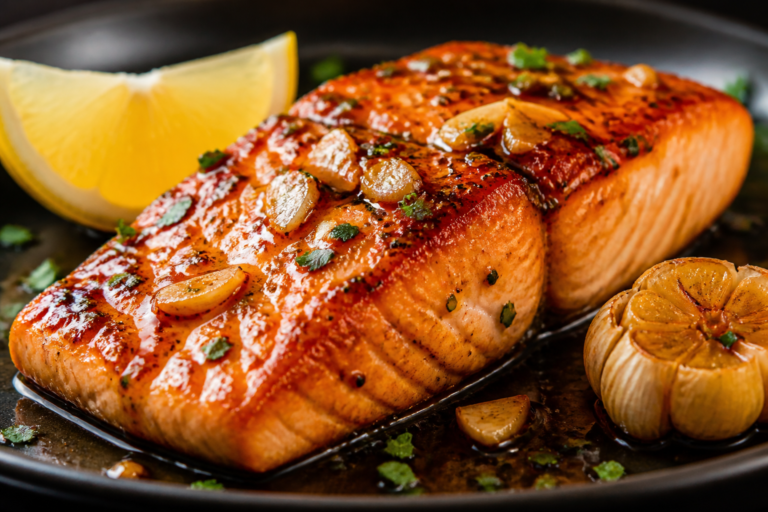
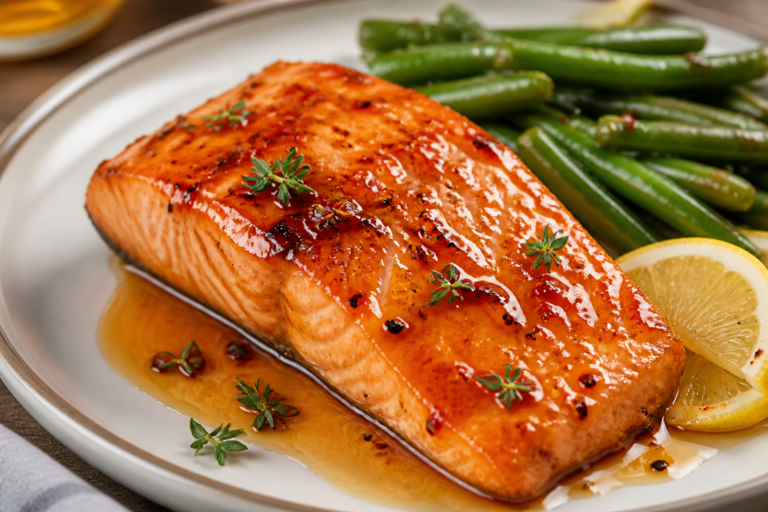
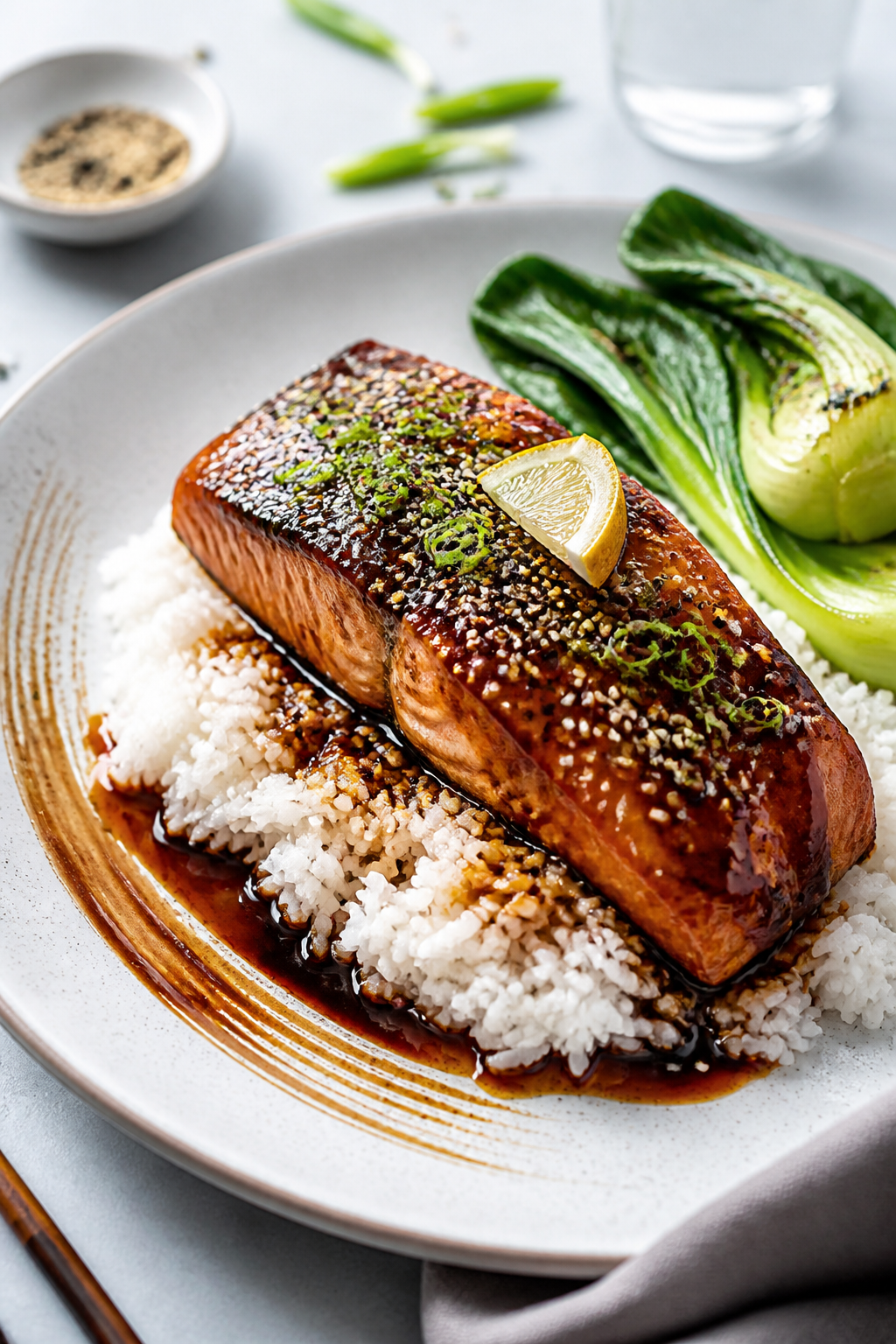
This is the kind of weeknight dinner that feels a little fancy without asking much of you. Sticky sesame glazed salmon cooks quickly, tastes big and bold, and leaves you with glossy fillets that look straight out of a restaurant. The sauce leans sweet and savory with a gentle kick, and it clings to the salmon in the best way.
FREE 7-Day Easy Dinner Reset
FREE 7-Day Easy Dinner Reset
You can make the glaze in minutes and finish everything in one pan. Serve it over rice, noodles, or a crunchy salad, and you’ve got a balanced meal that’s hard to beat.
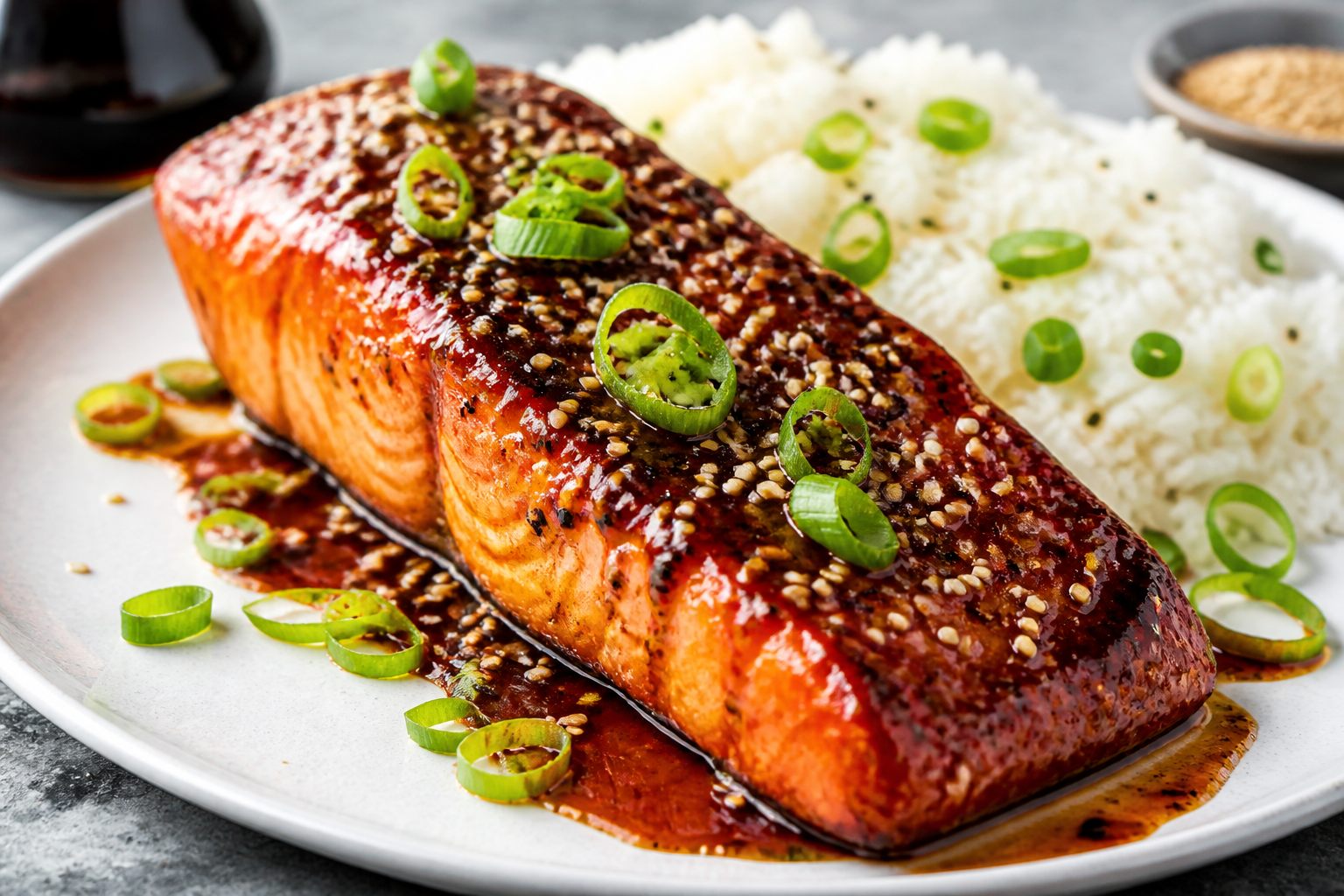
Sticky Sesame Glazed Salmon - Sweet, Savory, and Weeknight-Friendly
Ingredients
Method
- Prep the salmon: Pat the fillets dry with paper towels. Season lightly with salt and black pepper.If using skin-on fillets, keep the skin dry to help it crisp.
- Make the glaze: In a small bowl, whisk 1/3 cup soy sauce, 1/3 cup honey, 1 tablespoon rice vinegar, 1 teaspoon toasted sesame oil, 2–3 minced garlic cloves, 1 tablespoon finely grated ginger, and a pinch of red pepper flakes or a squeeze of sriracha if you like heat.
- Optional thickener: For a thicker, ultra-sticky sauce, whisk 1 teaspoon cornstarch with 1 teaspoon water in a separate bowl. You’ll add this to the glaze later in the pan.
- Heat the pan: Set a large nonstick or stainless skillet over medium-high heat. Add 1 tablespoon neutral oil and swirl to coat.
- Sear the salmon: Place the fillets in the hot pan, presentation side down (skinless side down if skin-on).Cook without moving for 3–4 minutes until golden. If skin-on, flip and cook skin side for another 2–3 minutes. Remove to a plate when just shy of done.The salmon will finish in the glaze.
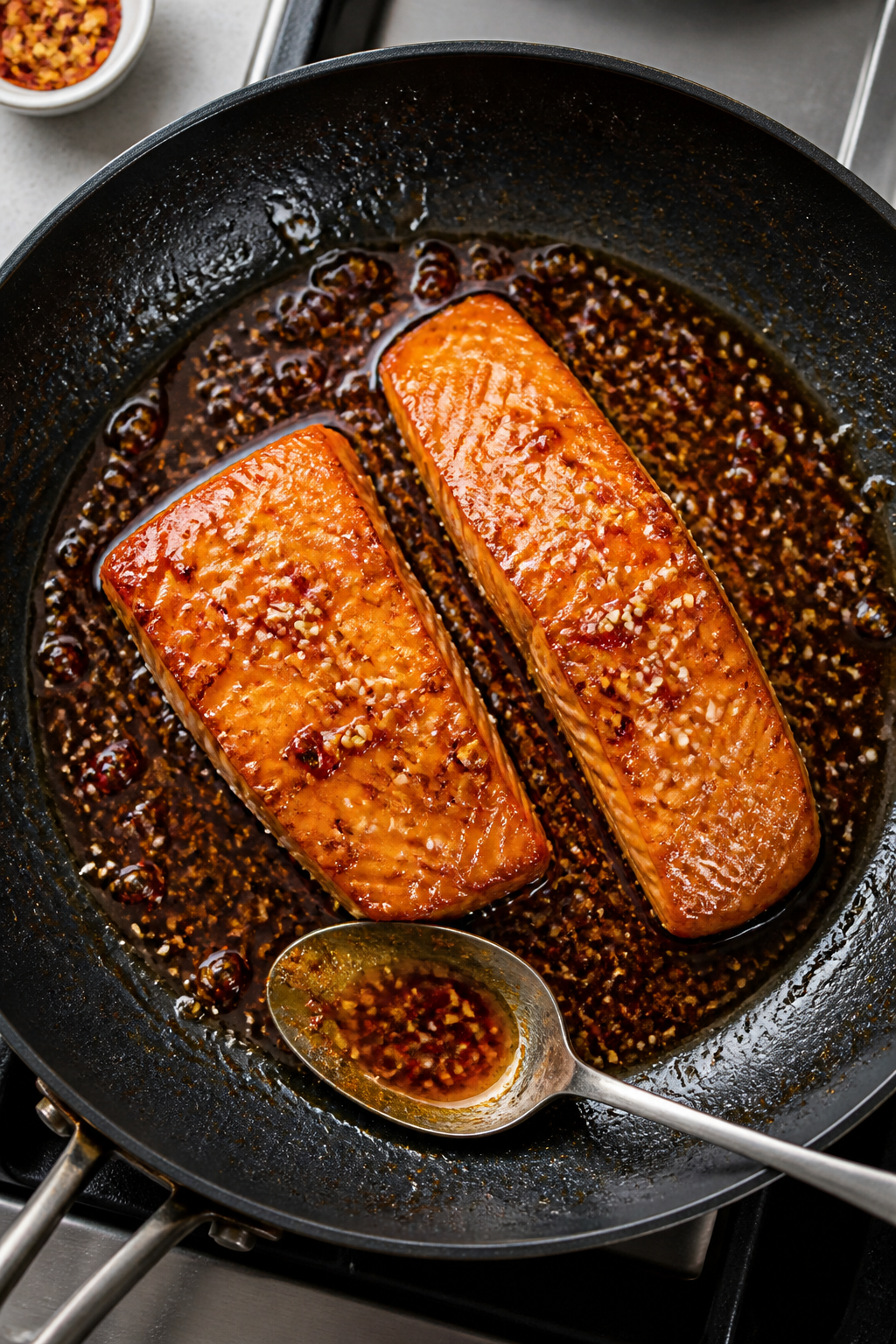
- Reduce the glaze: Lower heat to medium. Pour the glaze into the skillet. Let it bubble, stirring often, until slightly thick and glossy, about 2–3 minutes.If using cornstarch slurry, stir it in now and simmer 30–60 seconds until the sauce turns syrupy.
- Coat and finish: Return the salmon to the pan. Spoon the glaze over each fillet as it simmers for 1–2 more minutes. You’re looking for a sticky coating and salmon that flakes easily but is still moist.Aim for an internal temperature of 125–130°F for medium.
- Add sesame and garnish: Sprinkle in 1–2 teaspoons sesame seeds and toss to coat the glaze. Finish with sliced green onions and a small squeeze of lime or lemon if desired.
- Serve: Spoon extra sauce over rice or noodles. Add steamed veggies on the side.Serve immediately while it’s glossy and hot.
What Makes This Special
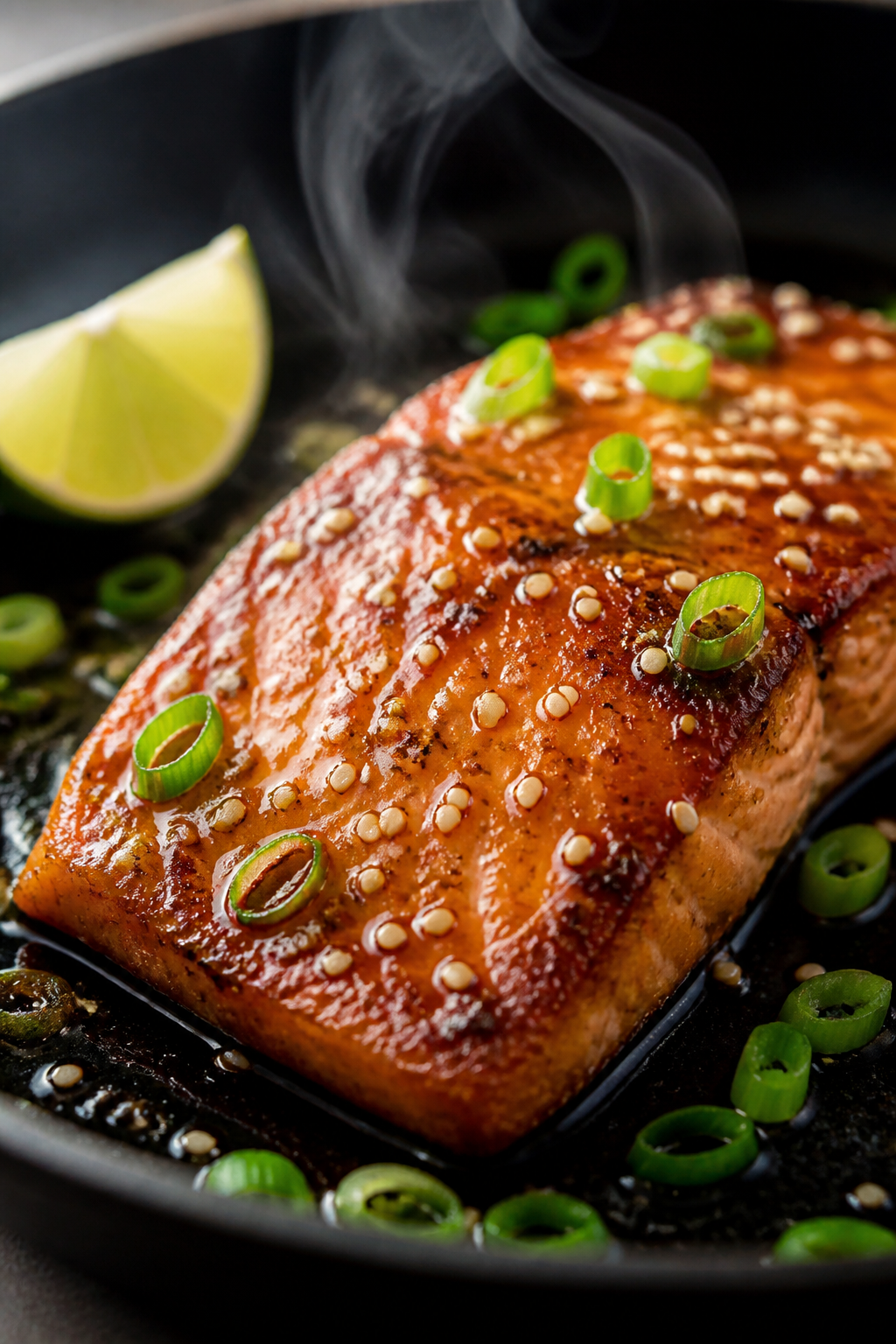
The magic is in the glaze. A simple mix of soy, honey, garlic, and ginger reduces into a syrup that coats each piece of salmon.
It’s sticky, shiny, and loaded with umami. A splash of rice vinegar keeps it from feeling heavy, while toasted sesame oil and seeds add a warm, nutty finish.
This recipe is also fast and flexible. Salmon cooks in under 10 minutes, and you can scale the sauce up or down.
It works with any salmon cut—fillets, portions, or even cubed salmon for bowls. And it holds its own with a quick side like steamed broccoli or sautéed bok choy.
Shopping List
- Salmon fillets (4 pieces, about 6 oz each), skin-on or skinless
- Low-sodium soy sauce (or tamari for gluten-free)
- Honey (or maple syrup)
- Rice vinegar (unseasoned)
- Garlic (3–4 cloves)
- Fresh ginger
- Toasted sesame oil
- Sesame seeds (white or a mix of white and black)
- Red pepper flakes or sriracha (optional, for heat)
- Neutral oil (avocado, canola, or light olive oil)
- Green onions (for garnish)
- Lime or lemon (optional, for finishing)
- Cooked rice, noodles, or greens (for serving)
- Cornstarch (optional, for thicker glaze)
- Salt and black pepper
Instructions
- Prep the salmon: Pat the fillets dry with paper towels. Season lightly with salt and black pepper.
If using skin-on fillets, keep the skin dry to help it crisp.
- Make the glaze: In a small bowl, whisk 1/3 cup soy sauce, 1/3 cup honey, 1 tablespoon rice vinegar, 1 teaspoon toasted sesame oil, 2–3 minced garlic cloves, 1 tablespoon finely grated ginger, and a pinch of red pepper flakes or a squeeze of sriracha if you like heat.
- Optional thickener: For a thicker, ultra-sticky sauce, whisk 1 teaspoon cornstarch with 1 teaspoon water in a separate bowl. You’ll add this to the glaze later in the pan.
- Heat the pan: Set a large nonstick or stainless skillet over medium-high heat. Add 1 tablespoon neutral oil and swirl to coat.
- Sear the salmon: Place the fillets in the hot pan, presentation side down (skinless side down if skin-on).
Cook without moving for 3–4 minutes until golden. If skin-on, flip and cook skin side for another 2–3 minutes. Remove to a plate when just shy of done.
The salmon will finish in the glaze.
- Reduce the glaze: Lower heat to medium. Pour the glaze into the skillet. Let it bubble, stirring often, until slightly thick and glossy, about 2–3 minutes.
If using cornstarch slurry, stir it in now and simmer 30–60 seconds until the sauce turns syrupy.
- Coat and finish: Return the salmon to the pan. Spoon the glaze over each fillet as it simmers for 1–2 more minutes. You’re looking for a sticky coating and salmon that flakes easily but is still moist.
Aim for an internal temperature of 125–130°F for medium.
- Add sesame and garnish: Sprinkle in 1–2 teaspoons sesame seeds and toss to coat the glaze. Finish with sliced green onions and a small squeeze of lime or lemon if desired.
- Serve: Spoon extra sauce over rice or noodles. Add steamed veggies on the side.
Serve immediately while it’s glossy and hot.
Storage Instructions
Let leftovers cool until just warm, then store in an airtight container in the fridge for up to 2 days. Reheat gently on the stovetop over low heat with a splash of water to loosen the glaze, or microwave in short bursts. Avoid overcooking on reheating; salmon dries out fast.
You can also enjoy it cold over salad or in a rice bowl.
If meal prepping, keep sauce separate and add just before eating for best texture.
Why This is Good for You
- Omega-3 fats: Salmon is rich in EPA and DHA, which support heart, brain, and joint health.
- High-quality protein: Each serving delivers steady energy and helps with muscle repair.
- Ginger and garlic: These aromatics bring flavor and antioxidants without extra calories.
- Balanced sweetness: Honey adds sweetness, but the vinegar and soy keep it from veering into dessert territory.
Pitfalls to Watch Out For
- Overcooking the salmon: Pull it early and let carryover heat finish the job. Dry salmon is the fastest way to ruin a great glaze.
- Burning the glaze: Honey and soy can scorch quickly. Keep the heat at medium when reducing and stir often.
- Too salty: Use low-sodium soy and season the salmon lightly.
The sauce concentrates as it reduces.
- Pan crowding: Give the fillets space so they sear, not steam. Cook in batches if needed.
Variations You Can Try
Stop wondering what's for dinner.
Get 7 healthy, family-friendly dinners complete with recipes and simple meal plans delivered straight to your inbox.
- Air fryer: Brush salmon with a bit of glaze and cook at 390°F for 7–9 minutes, adding more glaze halfway. Finish with seeds and onions.
- Broiled version: Place salmon on a foil-lined sheet, brush with glaze, and broil 5–8 minutes, glazing again at the end for shine.
- Spicy gochujang: Add 1–2 teaspoons gochujang to the sauce for depth and heat.
- Citrus twist: Swap rice vinegar for orange juice and add zest for a bright, aromatic glaze.
- Maple-ginger: Use maple syrup instead of honey and add extra ginger for a cozy, smoky-sweet flavor.
- Veggie add-ins: Toss blanched snap peas or steamed broccoli into the pan with the glaze right before serving.
FAQ
Can I use frozen salmon?
Yes.
Thaw it overnight in the fridge or under cold running water in its packaging. Pat it very dry before cooking so it sears well and doesn’t steam.
What if I don’t have rice vinegar?
Use apple cider vinegar or fresh lime juice. Start with a bit less and add to taste so the glaze stays balanced.
Can I make it gluten-free?
Use tamari or a certified gluten-free soy sauce.
Everything else in the recipe is naturally gluten-free.
How do I know when the salmon is done?
It should flake easily with a fork and look slightly translucent in the center. For precision, aim for 125–130°F in the thickest part.
Is there a way to cut the sugar?
You can reduce the honey to 3 tablespoons and let the glaze reduce a bit longer. The sauce will be less sticky but still flavorful.
What sides go best with this?
Steamed jasmine rice, brown rice, or soba noodles are great.
Add quick veggies like bok choy, green beans, or a cucumber salad for freshness.
Can I use skin-on salmon?
Absolutely. Sear skin side last to crisp it, and serve skin side up so it stays crunchy under the glaze.
Will this work with other fish?
Yes. Try it with trout, cod, or halibut.
Thinner fish cook faster, so watch the time and glaze quickly at the end.
Final Thoughts
Sticky sesame glazed salmon is one of those recipes that earns a permanent spot in your weeknight rotation. It’s quick, polished, and deeply satisfying without being fussy. Keep a few pantry staples on hand, and you can pull this off anytime.
Once you nail your preferred level of sweetness and heat, you’ll make it exactly the way you like it—every single time.
Printable Recipe Card
Want just the essential recipe details without scrolling through the article? Get our printable recipe card with just the ingredients and instructions.
Loved This Recipe?
If you're looking for more simple, healthy dinners your family will actually eat, grab my FREE 7-Day Easy Dinner Reset. You'll get 7 easy dinner recipes, simple grocery lists, and a done-for-you plan that takes the stress out of mealtime.