Sweet Garlic Teriyaki Salmon – A Flavorful Weeknight Favorite
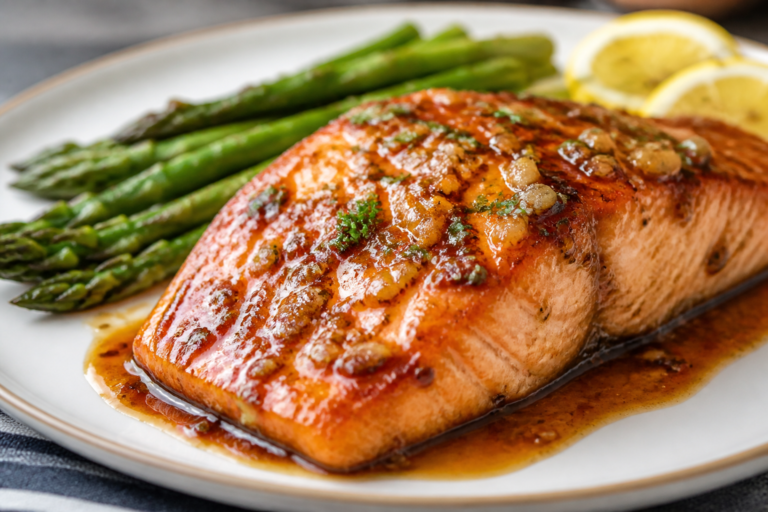
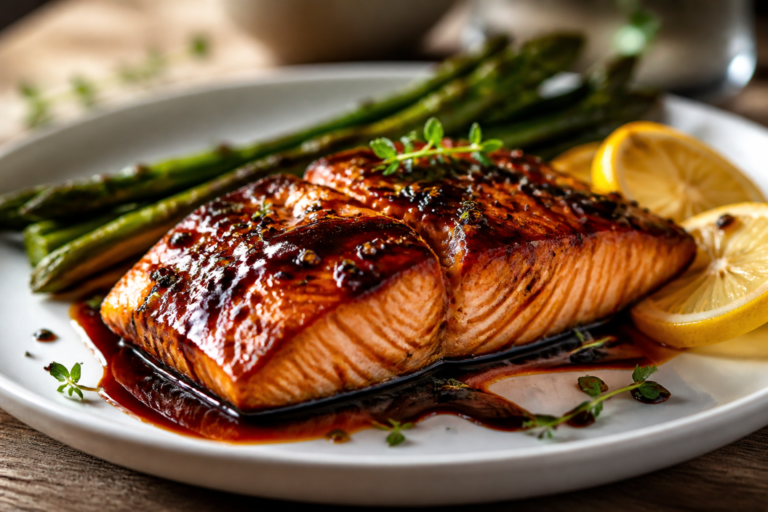
Sweet, savory, and a little garlicky, this salmon brings big flavor with almost no effort. The sauce is glossy, the fish is tender, and the whole thing comes together fast enough for a weeknight. You can broil, bake, or pan-sear depending on what you like.
FREE 7-Day Easy Dinner Reset
FREE 7-Day Easy Dinner Reset
Serve it over rice, tuck it into a bowl with veggies, or flake it onto salad. It’s the kind of recipe you’ll make once and then keep in your back pocket.
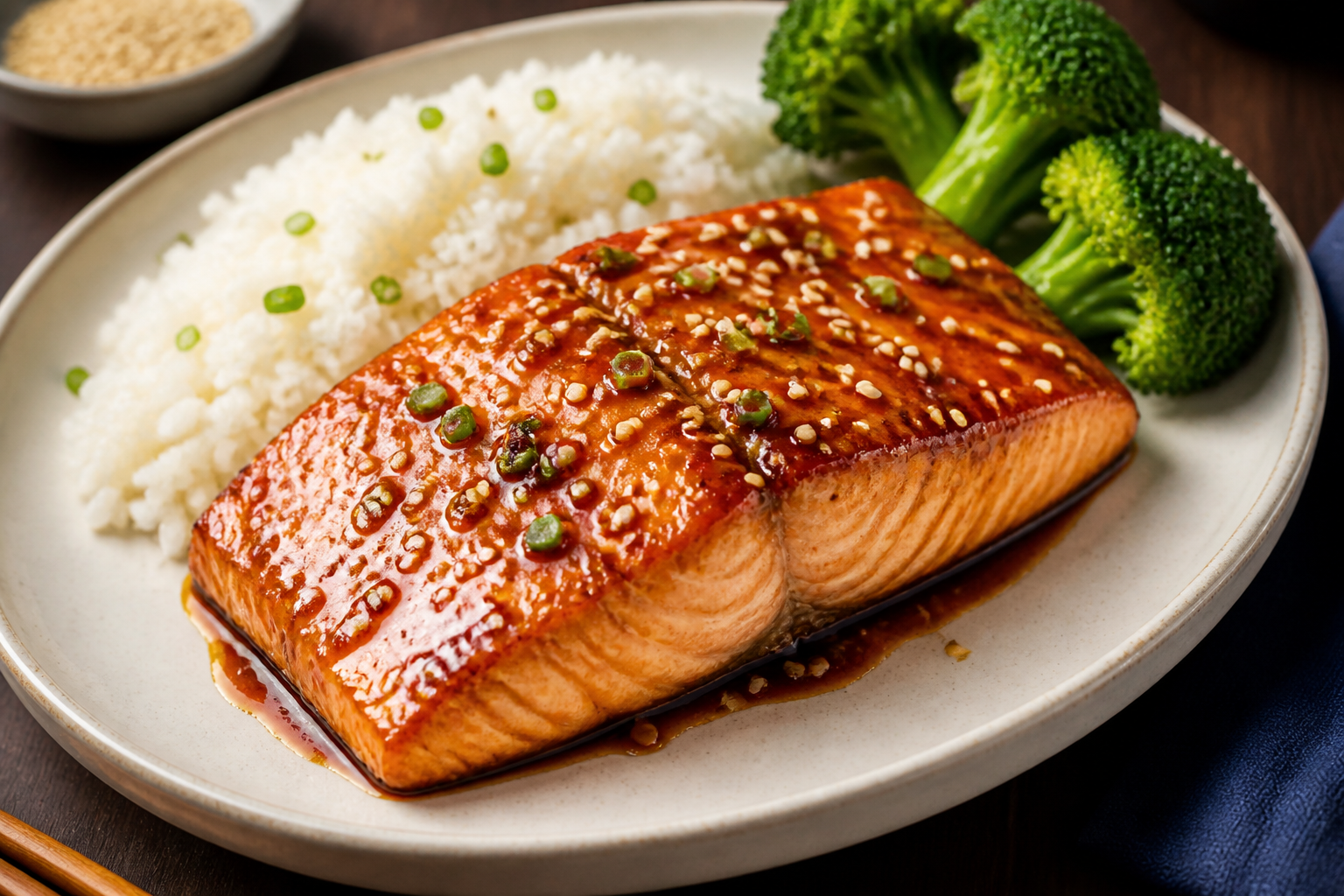
Sweet Garlic Teriyaki Salmon - A Flavorful Weeknight Favorite
Ingredients
Method
- Make the teriyaki sauce. In a small saucepan, whisk together soy sauce, honey, brown sugar, garlic, ginger, rice vinegar, sesame oil, and red pepper flakes.Bring to a gentle simmer over medium heat, stirring occasionally.
- Thicken the glaze. Stir the cornstarch slurry to recombine, then whisk it into the simmering sauce. Cook for 1–2 minutes until the sauce turns glossy and slightly thick. Remove from heat.You should have a pourable glaze that coats the back of a spoon.
- Prep the salmon. Pat salmon dry with paper towels. Season both sides lightly with salt and pepper. Don’t over-salt; the glaze is already seasoned.
- Choose your cooking method. You can sear-and-bake, broil, or air fry.All work well—pick what suits your kitchen.
- For sear-and-bake: Heat a large oven-safe skillet over medium-high and add the neutral oil. Place salmon skin-side down and sear for 2–3 minutes until the skin is crisp (skip this if skinless). Brush the tops with glaze, transfer to a 400°F (200°C) oven, and bake 6–8 minutes, basting once more halfway through.
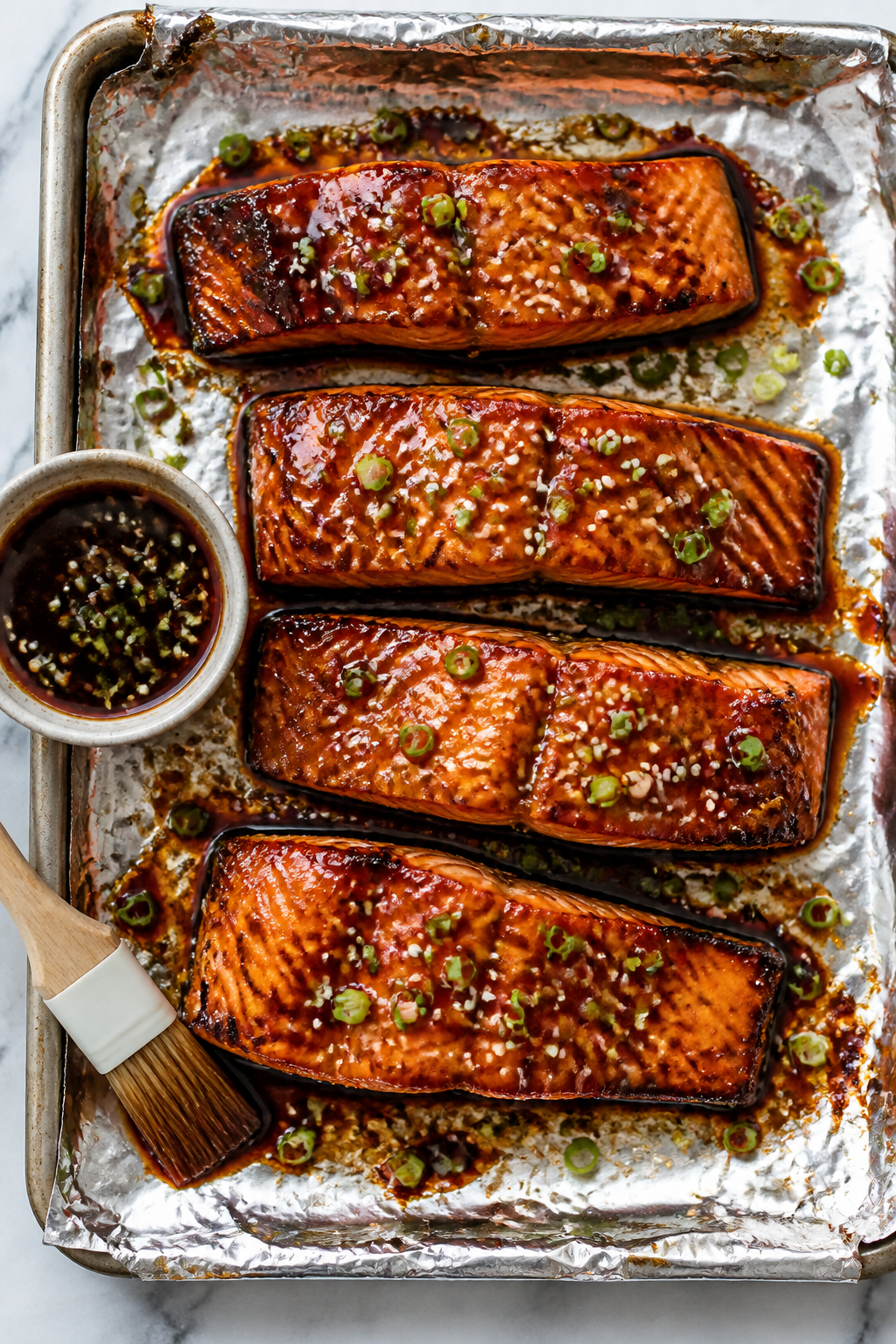
- For broiling: Line a sheet pan with foil and lightly oil it.Arrange salmon fillets and brush generously with glaze. Broil on the top rack for 6–8 minutes, watching closely. Brush with more glaze in the last minute to finish.
- For air frying: Lightly oil the basket.Place salmon in a single layer, brush with glaze, and air fry at 390°F (200°C) for 7–9 minutes, brushing once mid-cook.
- Check doneness. Salmon should flake easily with a fork and be just opaque in the center. For a precise read, cook to an internal temperature of 125–130°F for medium and let it rest. Residual heat will finish the job.
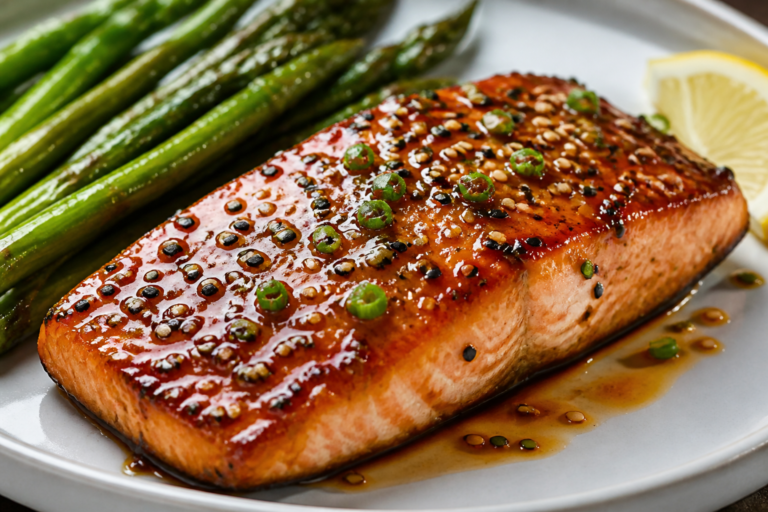
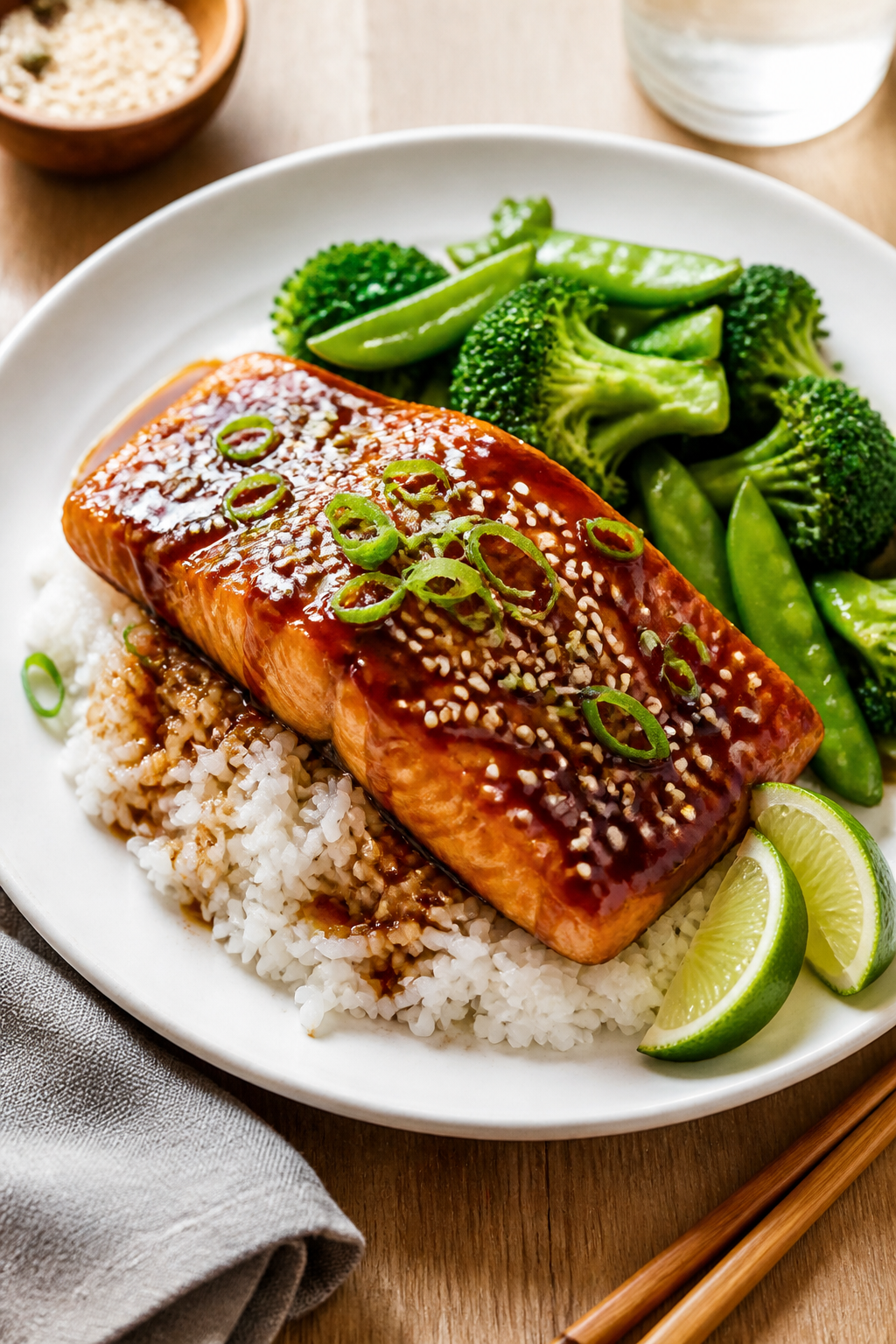
- Finish and serve. Warm any remaining glaze briefly, then spoon it over the salmon.Sprinkle with sesame seeds and scallions. Add lime wedges on the side if you like a bright finish.
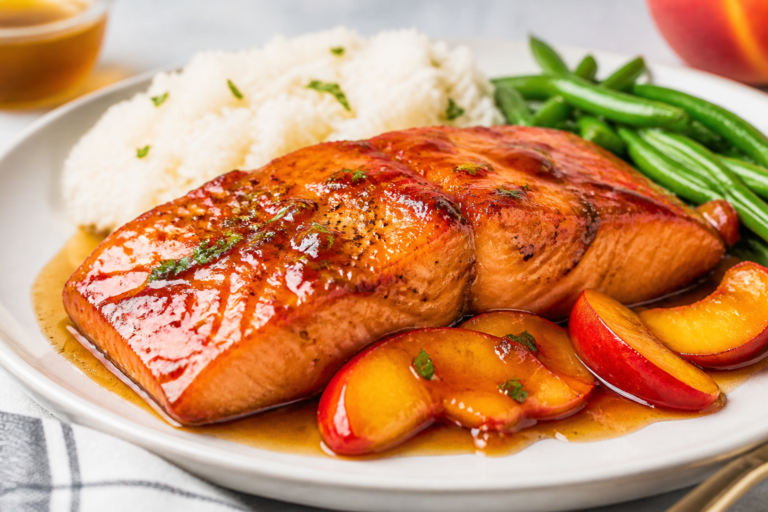
- Build your plate. Serve over hot rice with steamed veggies. Spoon extra glaze over everything for a glossy, restaurant-style look.
What Makes This Special
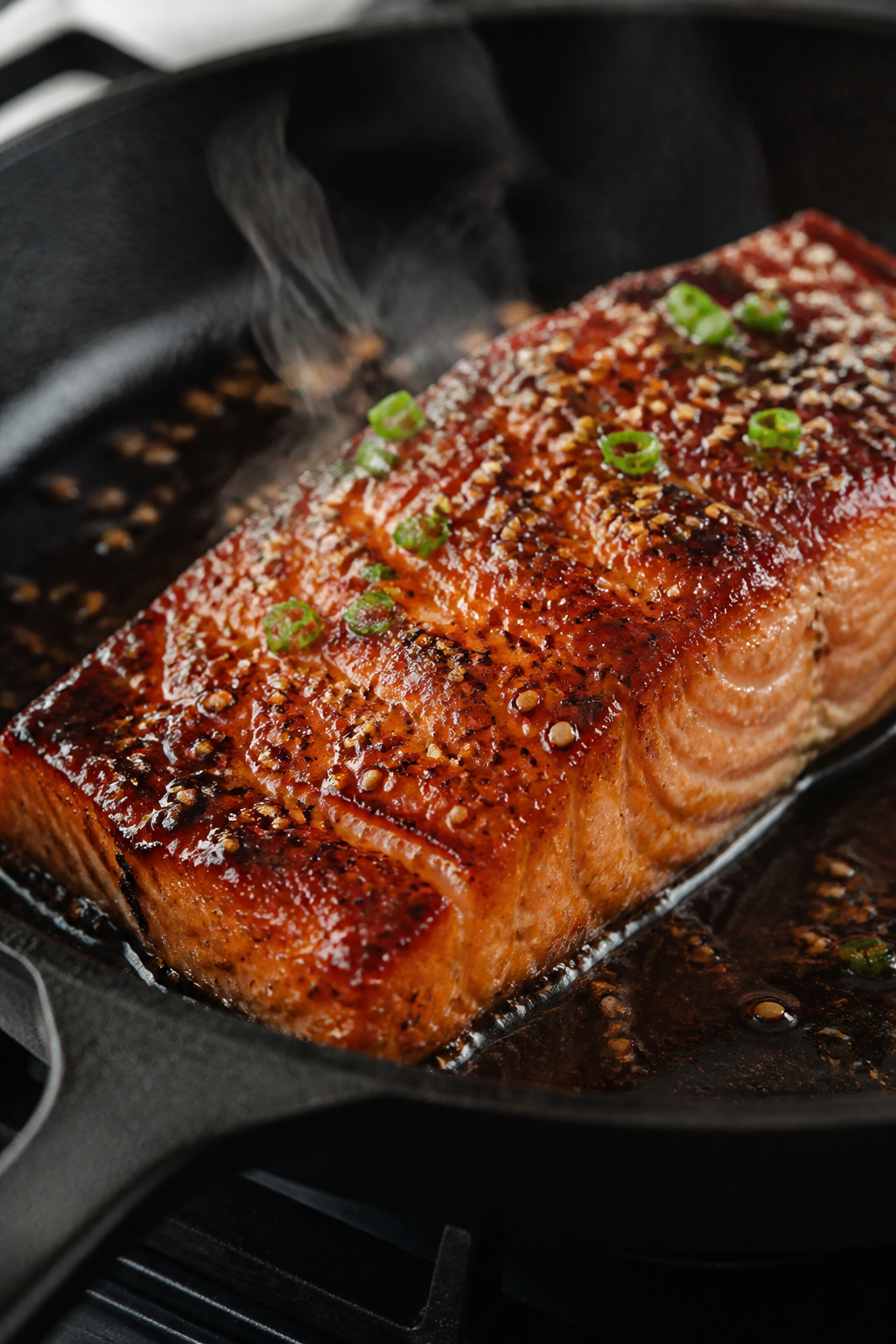
This recipe hits that perfect balance: sweet from honey and brown sugar, salty from soy, and bright from a splash of rice vinegar. Fresh garlic and ginger keep the flavor clean and lively.
The teriyaki glaze reduces to a sticky sheen that clings to the salmon without turning heavy. Best of all, it’s flexible—use the oven, stovetop, or air fryer and still get great results. If you’re feeding a crowd, the sauce scales easily and works with other proteins, too.
What You’ll Need
- 4 salmon fillets (about 6 ounces each, skin-on or skinless)
- 1/3 cup low-sodium soy sauce (or tamari for gluten-free)
- 3 tablespoons honey
- 1 tablespoon brown sugar (light or dark)
- 3 cloves garlic, minced
- 1 tablespoon fresh ginger, grated (or 1/2 teaspoon ground ginger in a pinch)
- 1 tablespoon rice vinegar (or apple cider vinegar)
- 1 tablespoon toasted sesame oil
- 1/4 teaspoon red pepper flakes (optional, for gentle heat)
- 1 tablespoon cornstarch mixed with 1 tablespoon cold water (slurry)
- 1 tablespoon neutral oil (avocado, canola, or grapeseed) for searing or brushing
- Sesame seeds and sliced scallions for garnish
- Lime wedges (optional, for serving)
- Cooked rice and steamed veggies (broccoli, snap peas, or bok choy) for serving
Instructions
- Make the teriyaki sauce. In a small saucepan, whisk together soy sauce, honey, brown sugar, garlic, ginger, rice vinegar, sesame oil, and red pepper flakes.
Bring to a gentle simmer over medium heat, stirring occasionally.
- Thicken the glaze. Stir the cornstarch slurry to recombine, then whisk it into the simmering sauce. Cook for 1–2 minutes until the sauce turns glossy and slightly thick. Remove from heat.
You should have a pourable glaze that coats the back of a spoon.
- Prep the salmon. Pat salmon dry with paper towels. Season both sides lightly with salt and pepper. Don’t over-salt; the glaze is already seasoned.
- Choose your cooking method. You can sear-and-bake, broil, or air fry.
All work well—pick what suits your kitchen.
- For sear-and-bake: Heat a large oven-safe skillet over medium-high and add the neutral oil. Place salmon skin-side down and sear for 2–3 minutes until the skin is crisp (skip this if skinless). Brush the tops with glaze, transfer to a 400°F (200°C) oven, and bake 6–8 minutes, basting once more halfway through.
- For broiling: Line a sheet pan with foil and lightly oil it.
Arrange salmon fillets and brush generously with glaze. Broil on the top rack for 6–8 minutes, watching closely. Brush with more glaze in the last minute to finish.
- For air frying: Lightly oil the basket.
Place salmon in a single layer, brush with glaze, and air fry at 390°F (200°C) for 7–9 minutes, brushing once mid-cook.
- Check doneness. Salmon should flake easily with a fork and be just opaque in the center. For a precise read, cook to an internal temperature of 125–130°F for medium and let it rest. Residual heat will finish the job.
- Finish and serve. Warm any remaining glaze briefly, then spoon it over the salmon.
Sprinkle with sesame seeds and scallions. Add lime wedges on the side if you like a bright finish.
- Build your plate. Serve over hot rice with steamed veggies. Spoon extra glaze over everything for a glossy, restaurant-style look.
How to Store
- Refrigerate: Cool completely, then store salmon in an airtight container for up to 3 days.
Keep leftover glaze in a small jar for the same time frame.
- Reheat: Warm gently in a low oven (275°F/135°C) for 8–10 minutes or microwave in short bursts at 50% power. Add a splash of water to keep it moist.
- Freeze: Cooked salmon can be frozen up to 2 months. Wrap tightly to prevent freezer burn.
Thaw overnight in the fridge and reheat gently.
Benefits of This Recipe
- Fast and flexible: From pan to plate in under 30 minutes with multiple cooking options.
- Balanced flavor: Sweet, salty, savory, and aromatic without being heavy.
- Good for you: Salmon is rich in protein and omega-3s, and the sauce uses pantry staples.
- Meal-prep friendly: Works well for bowls, salads, or rice boxes across a few days.
- Kid-approved: The gentle sweetness wins over picky eaters; heat is optional.
Pitfalls to Watch Out For
- Overcooking: Salmon dries fast. Pull it slightly under and let carryover heat finish.
- Burning the glaze: High sugar means it can scorch under the broiler. Keep a close eye and glaze in layers.
- Watery sauce: If your glaze isn’t thickening, simmer a minute longer or add a tiny bit more slurry.
- Too salty: Use low-sodium soy sauce.
If it still tastes salty, whisk in a teaspoon of water and a squeeze of lime.
- Soggy skin: For crispy skin, pat dry, sear first, and don’t crowd the pan.
Alternatives
- Protein swaps: Try trout, cod, or chicken thighs. Adjust cook time: chicken will need longer until juices run clear or it reaches 165°F.
- Sweeteners: Maple syrup or coconut sugar can replace honey and brown sugar. Flavor will shift slightly but still be delicious.
- Soy-free/gluten-free: Use coconut aminos instead of soy sauce.
Skip the brown sugar if using aminos since they’re sweeter.
- Aromatics: If fresh ginger isn’t available, use ground ginger or add a little garlic powder to boost flavor.
- Veg boost: Add steamed broccoli, edamame, or sautéed mushrooms to make it a full bowl.
- Spice it up: Stir in chili-garlic sauce or a dab of gochujang for heat and depth.
Stop wondering what's for dinner.
Get 7 healthy, family-friendly dinners complete with recipes and simple meal plans delivered straight to your inbox.
FAQ
Can I marinate the salmon first?
Yes. Marinate for 15–30 minutes in a few tablespoons of the cooled glaze thinned with a splash of water. Pat lightly before cooking, then glaze during and after for a shiny finish.
What if I don’t have cornstarch?
Use arrowroot or potato starch in the same amount.
You can also reduce the sauce longer without starch; it’ll thicken naturally, just watch for scorching.
How do I keep the salmon tender?
Start with room-temp fillets, don’t overcook, and let the fish rest for 3 minutes before serving. A gentle reheat also helps if you’re prepping ahead.
Is skin-on or skinless better?
Both work. Skin-on protects the flesh and crisps up nicely when seared.
Skinless is easy and neat for bowls and salads.
Can I make the sauce ahead?
Absolutely. Store it in the fridge for up to a week. Rewarm gently and whisk before using; add a teaspoon of water if it’s too thick.
What sides pair well?
Jasmine rice, brown rice, or quinoa are great bases.
Add quick veggies like steamed broccoli, roasted carrots, or a cucumber salad for crunch.
How do I know when it’s done without a thermometer?
Press the top gently with a fork. If it flakes easily and is opaque with a slightly translucent center, it’s ready. The juices should look milky, not red.
Wrapping Up
Sweet Garlic Teriyaki Salmon is weeknight-friendly, flavorful, and endlessly adaptable.
The sauce is simple but tastes like something from your favorite restaurant. Keep a jar on hand, pick your cooking method, and you’ve got a reliable go-to that feels special without any fuss. Serve it hot over rice with crisp veggies, and you’re set for a meal that always hits the spot.
Printable Recipe Card
Want just the essential recipe details without scrolling through the article? Get our printable recipe card with just the ingredients and instructions.
Loved This Recipe?
If you're looking for more simple, healthy dinners your family will actually eat, grab my FREE 7-Day Easy Dinner Reset. You'll get 7 easy dinner recipes, simple grocery lists, and a done-for-you plan that takes the stress out of mealtime.