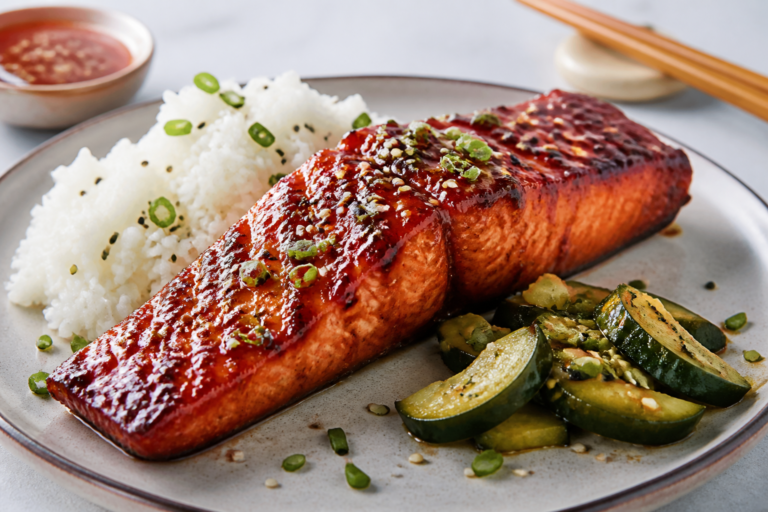
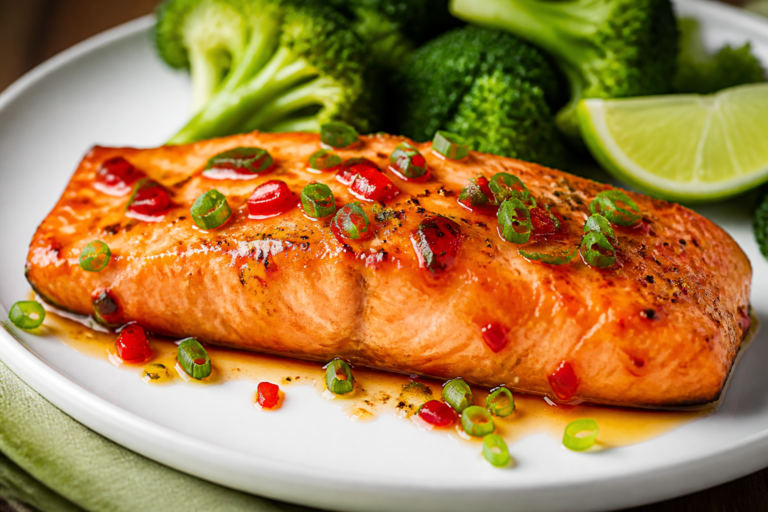
Balsamic Glazed Salmon – A Simple, Flavor-Packed Weeknight Dinner
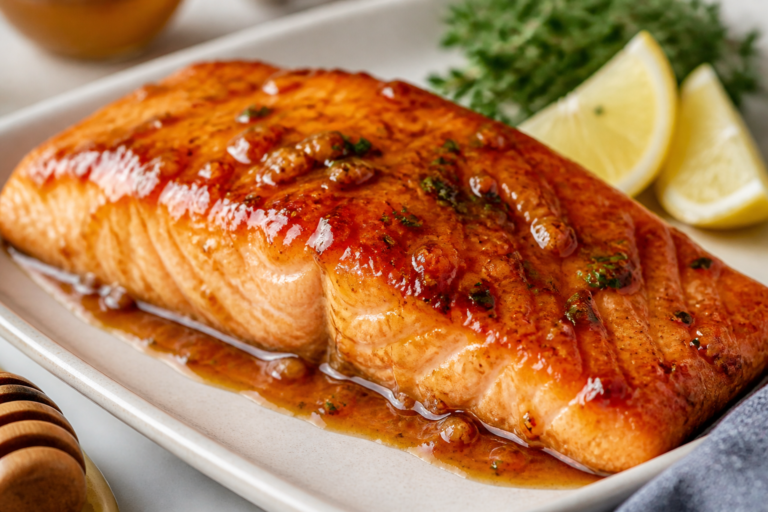
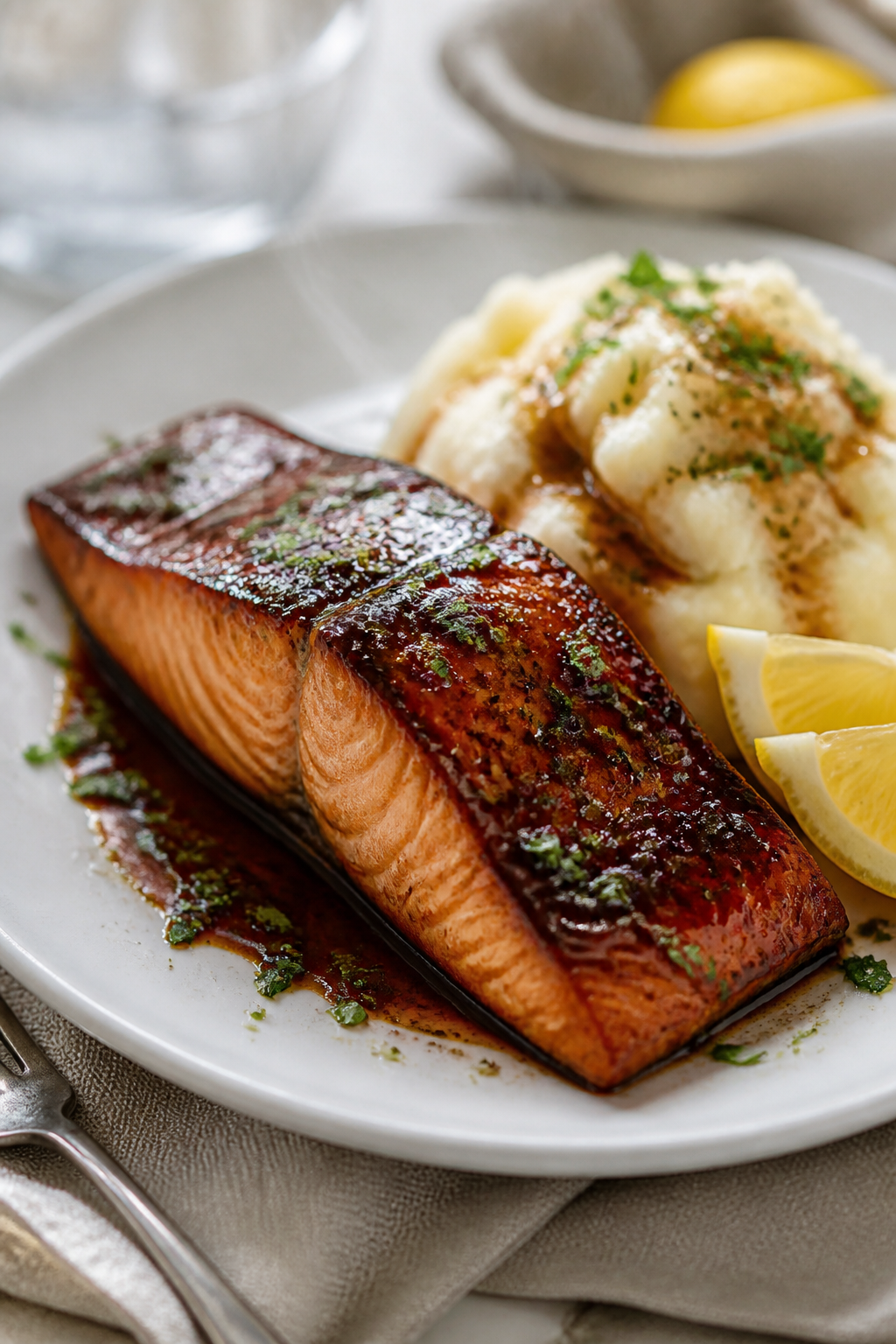
Salmon is one of those dependable dinners that always feels a little special. Add a glossy balsamic glaze, and you’ve got a restaurant-level meal with barely any fuss. This version leans on pantry staples, cooks fast, and tastes balanced—sweet, tangy, and savory.
FREE 7-Day Easy Dinner Reset
FREE 7-Day Easy Dinner Reset
It’s weeknight-friendly but nice enough to serve to guests. You’ll get crisp edges, tender flakes, and a sauce you’ll want to spoon over everything on the plate.
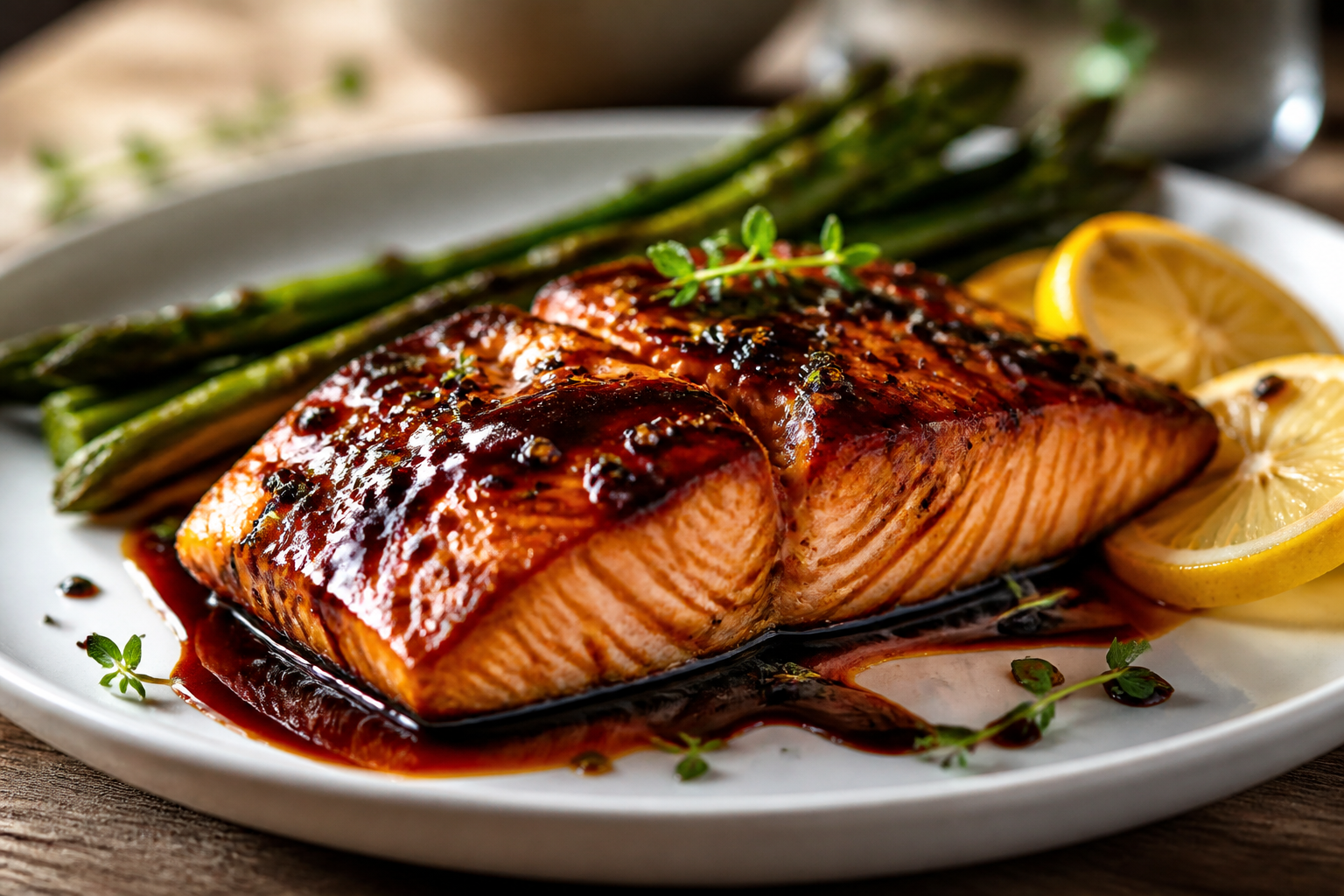
Balsamic Glazed Salmon - A Simple, Flavor-Packed Weeknight Dinner
Ingredients
Method
- Pat the salmon dry. Use paper towels to remove surface moisture.This helps you get good browning and prevents the fish from steaming.
- Season simply. Sprinkle both sides with salt and pepper. Let the fillets sit at room temperature for 10 minutes while you start the glaze.
- Make the glaze. In a small saucepan, combine balsamic vinegar, honey, soy sauce, Dijon, garlic, and red pepper flakes (if using). Bring to a gentle simmer over medium heat.Cook, stirring occasionally, until slightly thickened, glossy, and reduced by about one-third, 5–7 minutes. It should coat the back of a spoon.
- Preheat the pan. Heat a large oven-safe skillet over medium-high. Add olive oil.When the oil shimmers, it’s ready.
- Sear the salmon. Place fillets in the pan, presentation side down (skin side up if using skin-on). Cook without moving them for 2–3 minutes until a golden crust forms. Flip carefully.
- Glaze and finish. Reduce heat to medium-low.Spoon a generous layer of glaze over each fillet. Continue cooking on the stovetop for 2–4 minutes, spooning on more glaze as it thickens, until the salmon is just cooked through. Alternatively, transfer the skillet to a 400°F (200°C) oven for 5–7 minutes to finish.
- Check doneness. The salmon should flake easily with a fork and look slightly translucent in the center, or read 125–130°F (52–54°C) on an instant-read thermometer for medium.
- Optional butter swirl. Off the heat, whisk the butter into the remaining glaze in the pan for extra sheen and richness.Spoon over the salmon.
- Garnish and serve. Squeeze lemon over the fillets, sprinkle with herbs, and serve with extra glaze. Great with rice, quinoa, mashed potatoes, or roasted vegetables.
Why This Recipe Works
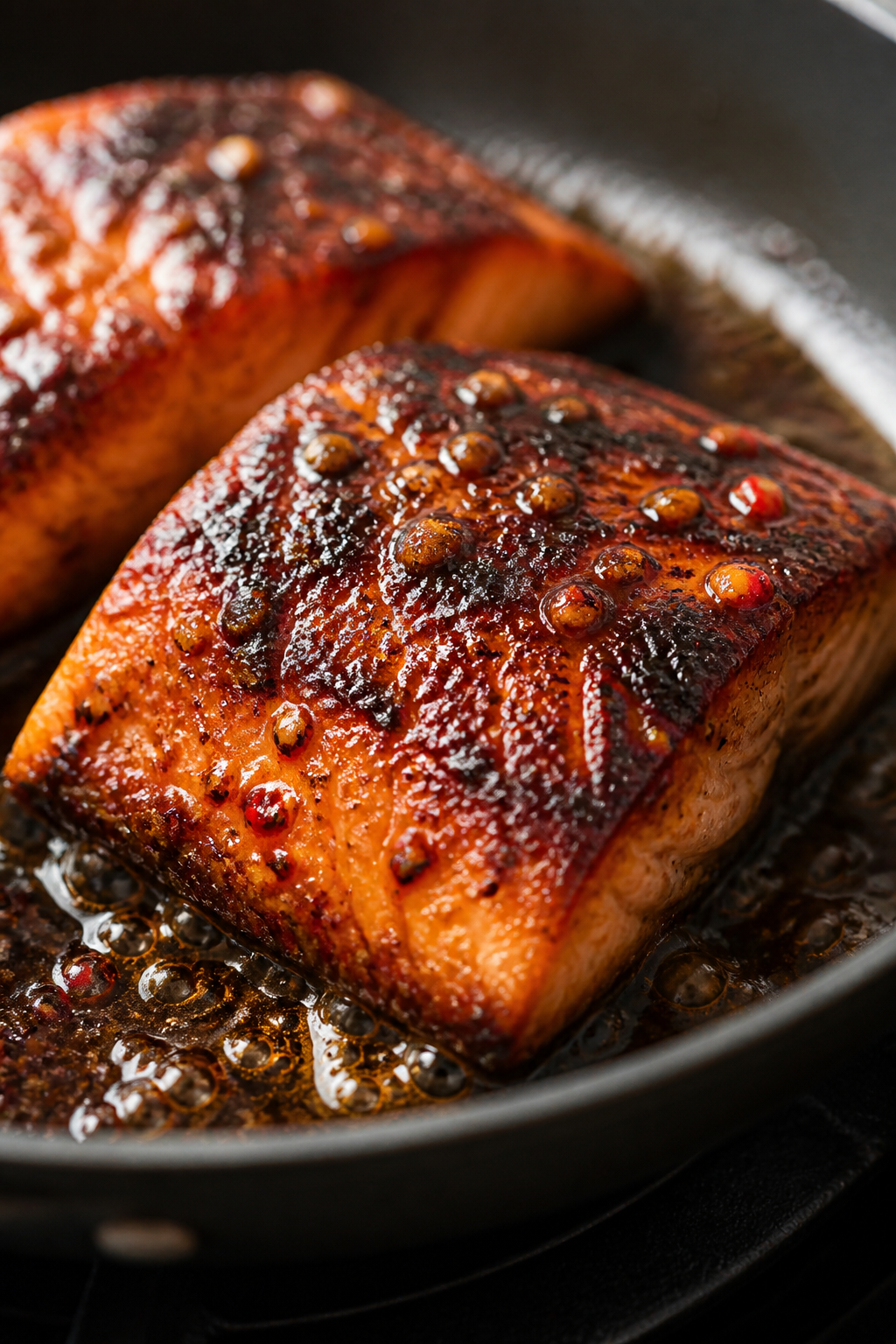
- Balanced flavors: Balsamic vinegar brings tang, a touch of honey adds sweetness, and soy sauce deepens the savory notes. The glaze reduces into a syrup that clings to the salmon.
- Quick cooking: Salmon cooks in under 12 minutes, and the glaze comes together in a small pan in about the same time.
- Foolproof texture: Searing then roasting (or broiling) gives caramelized edges and a moist center.
- Minimal cleanup: One skillet or a lined sheet pan is all you need.
- Flexible: Works with fresh or previously frozen salmon, skin-on or skinless.
Ingredients
- 4 salmon fillets (about 6 ounces each), skin-on or skinless
- 1/2 teaspoon kosher salt
- 1/4 teaspoon black pepper
- 1 tablespoon olive oil (plus more as needed)
- 2 cloves garlic, finely minced
- 1/3 cup balsamic vinegar
- 2 tablespoons honey (or maple syrup)
- 1 tablespoon low-sodium soy sauce (or tamari)
- 1 teaspoon Dijon mustard
- 1/2 teaspoon crushed red pepper flakes (optional, for heat)
- 1 tablespoon unsalted butter (optional, for a glossy finish)
- Lemon wedges, for serving
- Fresh parsley or chives, chopped, for garnish (optional)
How to Make It
- Pat the salmon dry. Use paper towels to remove surface moisture.
This helps you get good browning and prevents the fish from steaming.
- Season simply. Sprinkle both sides with salt and pepper. Let the fillets sit at room temperature for 10 minutes while you start the glaze.
- Make the glaze. In a small saucepan, combine balsamic vinegar, honey, soy sauce, Dijon, garlic, and red pepper flakes (if using). Bring to a gentle simmer over medium heat.
Cook, stirring occasionally, until slightly thickened, glossy, and reduced by about one-third, 5–7 minutes. It should coat the back of a spoon.
- Preheat the pan. Heat a large oven-safe skillet over medium-high. Add olive oil.
When the oil shimmers, it’s ready.
- Sear the salmon. Place fillets in the pan, presentation side down (skin side up if using skin-on). Cook without moving them for 2–3 minutes until a golden crust forms. Flip carefully.
- Glaze and finish. Reduce heat to medium-low.
Spoon a generous layer of glaze over each fillet. Continue cooking on the stovetop for 2–4 minutes, spooning on more glaze as it thickens, until the salmon is just cooked through. Alternatively, transfer the skillet to a 400°F (200°C) oven for 5–7 minutes to finish.
- Check doneness. The salmon should flake easily with a fork and look slightly translucent in the center, or read 125–130°F (52–54°C) on an instant-read thermometer for medium.
- Optional butter swirl. Off the heat, whisk the butter into the remaining glaze in the pan for extra sheen and richness.
Spoon over the salmon.
- Garnish and serve. Squeeze lemon over the fillets, sprinkle with herbs, and serve with extra glaze. Great with rice, quinoa, mashed potatoes, or roasted vegetables.
How to Store
- Refrigerate: Cool completely, then store salmon in an airtight container for up to 3 days. Keep leftover glaze separately if possible.
- Reheat gently: Warm in a 275°F (135°C) oven for 10–12 minutes or in a covered skillet over low heat with a splash of water.
Avoid microwaving on high, which can dry the fish.
- Freeze: Not ideal for texture, but possible. Wrap tightly and freeze up to 2 months. Thaw overnight in the fridge and reheat gently.
- Use leftovers: Flake chilled salmon over salads or grain bowls, or tuck into wraps with crunchy veggies.
Benefits of This Recipe
- Nutrient-dense: Salmon is rich in omega-3s, protein, and vitamin D.
- Fast and satisfying: From start to finish in about 25 minutes.
- Pantry-friendly: The glaze relies on staples you likely already have.
- Versatile sides: Pairs well with everything from garlicky green beans to creamy polenta.
- Meal-prep friendly: Cools and stores well for lunches.
Pitfalls to Watch Out For
- Over-reducing the glaze: If it boils too hard, it can turn bitter or overly thick.
Keep it at a gentle simmer and pull it early—remember it thickens as it cools.
- Overcooking the salmon: Dry salmon happens fast. Start checking early and aim for a slightly translucent center.
- Skipping the pat-dry step: Extra moisture prevents browning and dilutes flavor.
- Using low-quality balsamic: Thin, harsh vinegar yields a sharp glaze. Choose a decent mid-range bottle for smoother flavor.
- Glaze burning in the pan: Sugars can scorch over high heat.
Reduce the heat before glazing and keep the sauce moving.
Recipe Variations
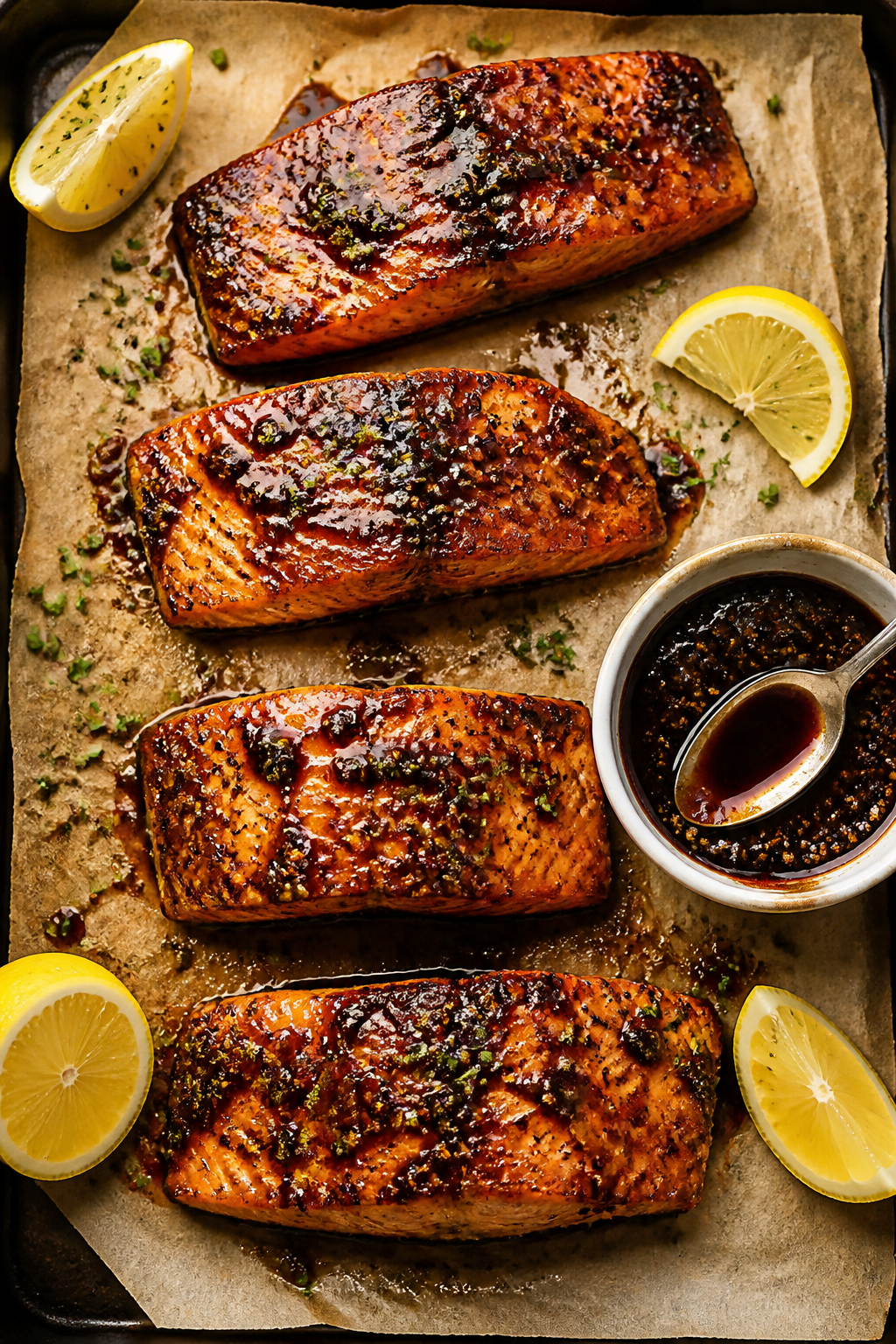
- Sheet Pan Method: Arrange salmon on a lined sheet, brush with glaze, and roast at 400°F (200°C) for 10–12 minutes. Brush once more mid-cook for extra shine.
- Broiled Finish: After searing, broil 1–2 minutes to caramelize the glaze. Watch closely to prevent burning.
- Garlic-Ginger Twist: Add 1 teaspoon grated fresh ginger to the glaze for warm spice and a bright kick.
- Citrus Balsamic: Stir 1–2 teaspoons orange zest into the glaze and finish with orange wedges instead of lemon.
- Herb Crust: Mix 2 tablespoons panko with 1 tablespoon olive oil and 1 tablespoon chopped parsley.
Press lightly on top of the salmon before roasting, then glaze during the last few minutes.
- No-Soy Option: Swap soy sauce for coconut aminos; adjust honey to taste since coconut aminos are sweeter.
- Grilled Version: Grill salmon over medium heat, skin-side down, 6–8 minutes. Brush with glaze in the last 2–3 minutes to avoid flare-ups.
FAQ
Can I use frozen salmon?
Yes. Thaw overnight in the refrigerator or under cold running water (in sealed packaging).
Stop wondering what's for dinner.
Get 7 healthy, family-friendly dinners complete with recipes and simple meal plans delivered straight to your inbox.
Pat very dry before cooking to prevent steaming and ensure a good sear.
What sides go best with balsamic glazed salmon?
Simple is best. Try roasted asparagus, sautéed spinach, a lemony arugula salad, or garlic mashed potatoes. Rice, quinoa, or couscous soak up the extra glaze nicely.
How do I know when the glaze is reduced enough?
It should look syrupy and coat the back of a spoon.
Drag your finger down the spoon; the line should hold briefly. If it’s too thick, whisk in a teaspoon of water and warm gently.
Can I make the glaze ahead of time?
Absolutely. Make and cool the glaze, then refrigerate for up to 1 week.
Warm it gently before using. If it thickens too much, loosen with a splash of water.
Is there a sugar-free option?
You can omit the honey and reduce the balsamic a bit longer, but the glaze will be tangier and less sticky. A few drops of liquid stevia can balance the acidity if desired.
Should I remove the skin?
It’s personal preference.
Skin-on helps hold the fillet together and protects it from overcooking. You can easily slide a spatula between the flesh and skin after cooking if you prefer it off.
Can I use a nonstick skillet?
Yes. Nonstick makes flipping easy and reduces sticking, but you may not get as deep a sear.
Use medium heat and avoid metal utensils.
What if I don’t have Dijon mustard?
Use a small pinch of dry mustard or a mild yellow mustard. Or skip it—the glaze will still be tasty; mustard just helps emulsify and rounds out the flavor.
Final Thoughts
Balsamic glazed salmon is the kind of recipe that makes you feel like you cooked smarter, not harder. You get bold flavor, a gorgeous sheen, and tender fish in minutes.
Keep the glaze ingredients on hand, and you’ll always be a few steps away from a reliable, crowd-pleasing dinner. Serve it with something green, something starchy, and a squeeze of lemon, and call it a night.
Printable Recipe Card
Want just the essential recipe details without scrolling through the article? Get our printable recipe card with just the ingredients and instructions.
Loved This Recipe?
If you're looking for more simple, healthy dinners your family will actually eat, grab my FREE 7-Day Easy Dinner Reset. You'll get 7 easy dinner recipes, simple grocery lists, and a done-for-you plan that takes the stress out of mealtime.