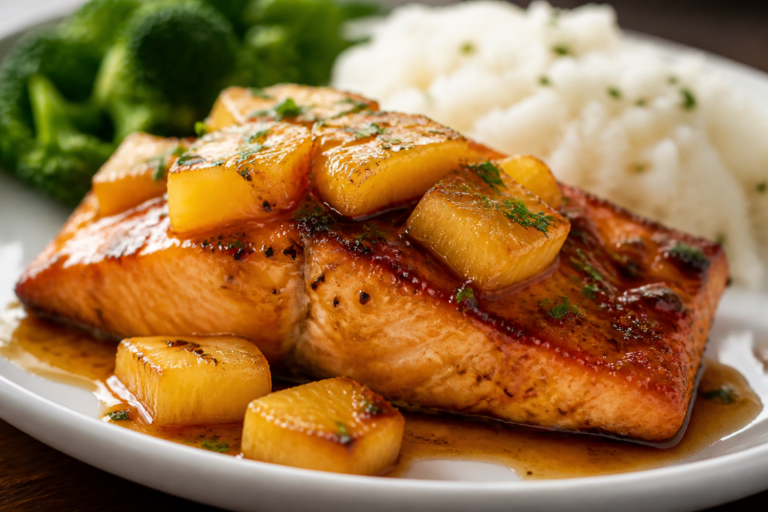
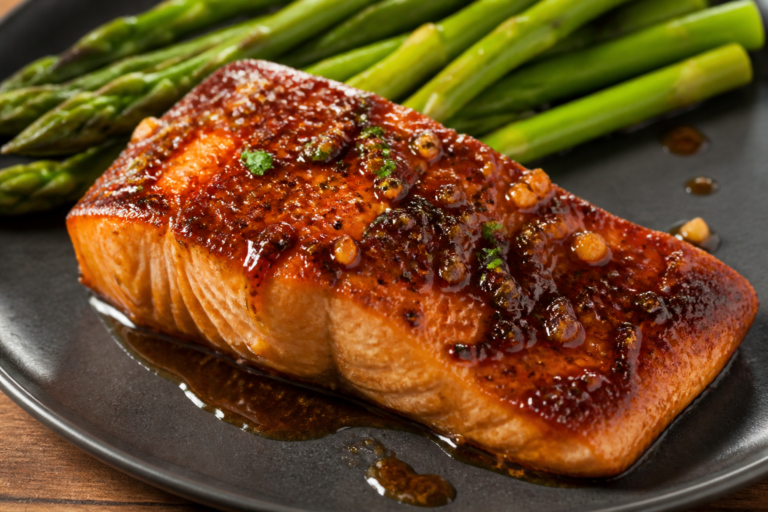
Apricot Honey Salmon – Sweet, Savory, and Weeknight Easy
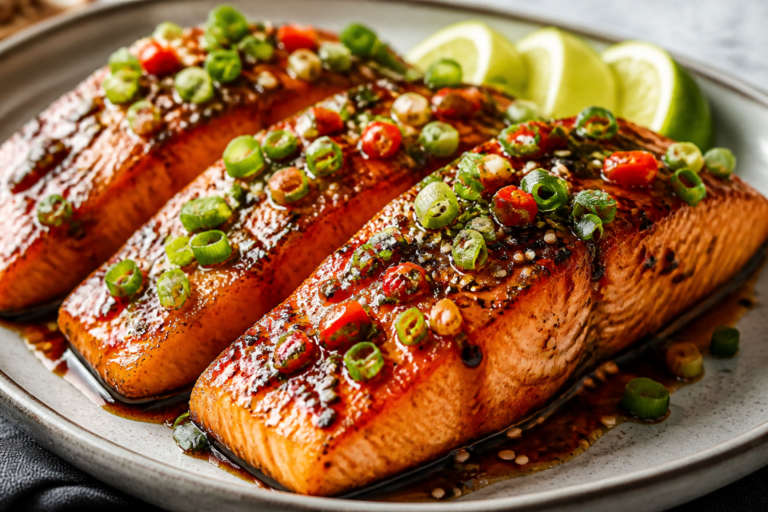
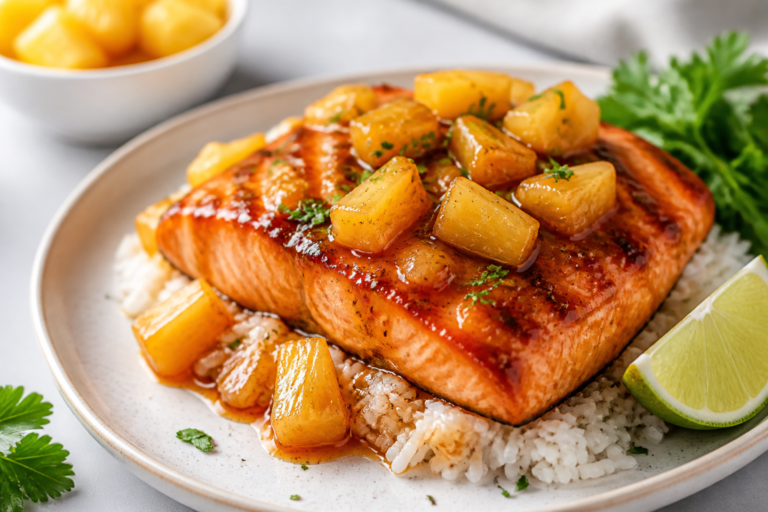
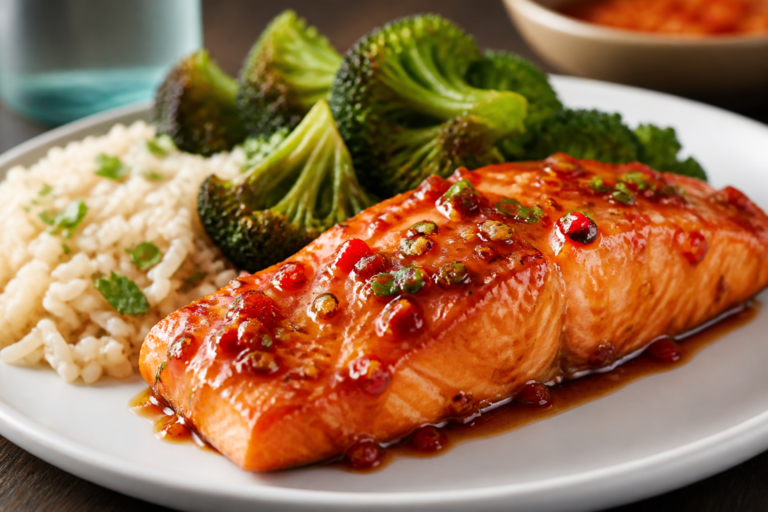
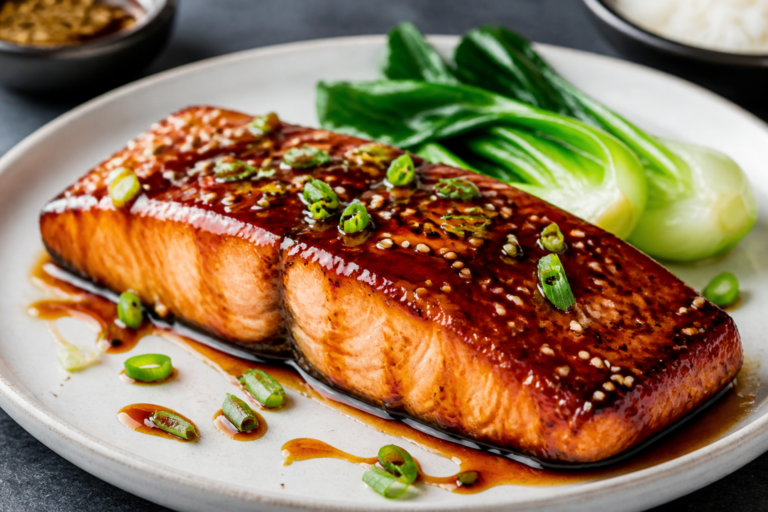
This Apricot Honey Salmon makes dinner feel special without taking all night. It’s sweet, tangy, and a little sticky in the best way, with a charry edge that keeps it from being too sugary. The sauce comes together in minutes, and the salmon cooks fast, so it’s perfect for busy nights.
FREE 7-Day Easy Dinner Reset
FREE 7-Day Easy Dinner Reset
Serve it with rice, roasted veggies, or a crisp salad, and you’ve got a meal that feels balanced and satisfying. If you want something restaurant-worthy with minimal fuss, this is it.
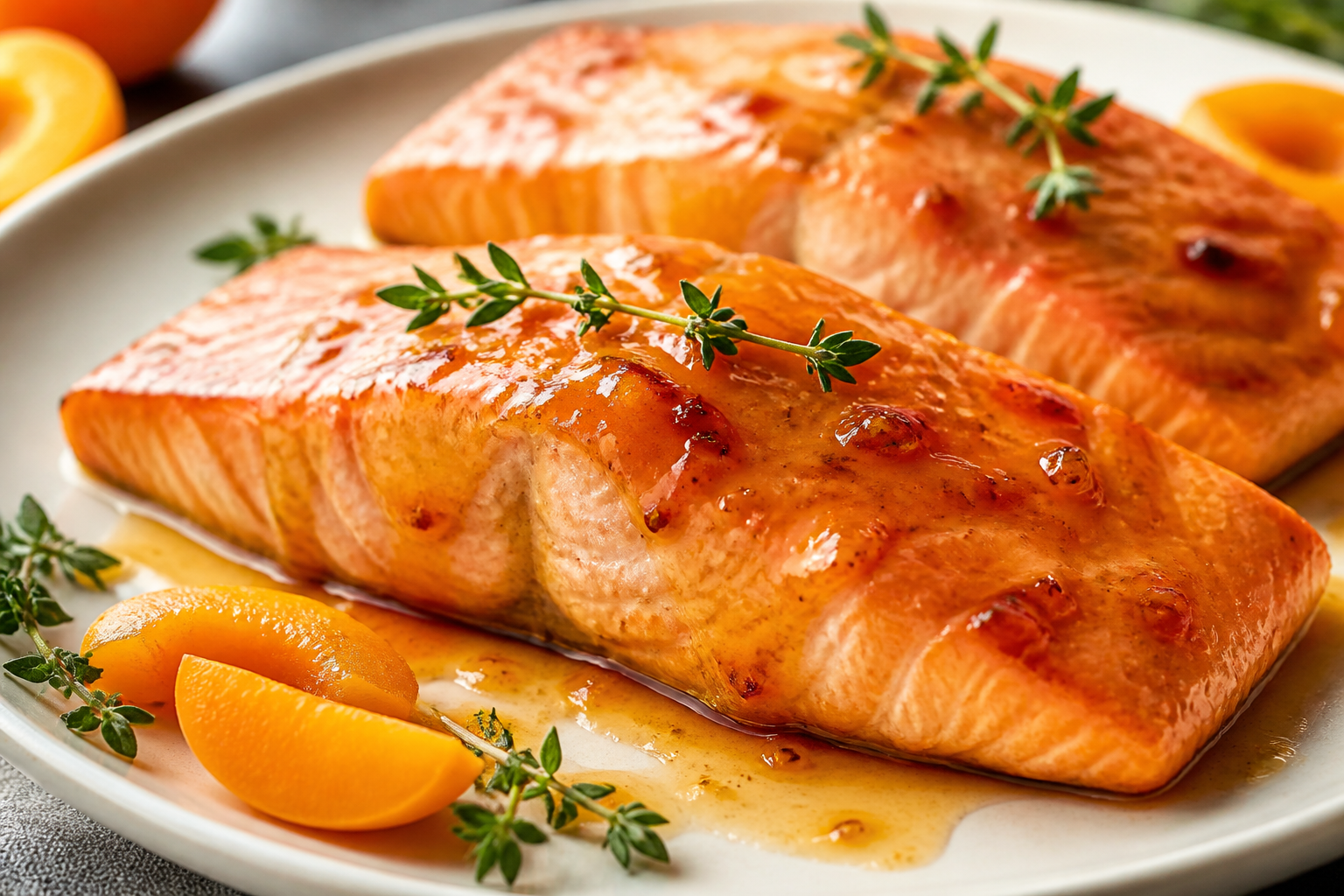
Apricot Honey Salmon - Sweet, Savory, and Weeknight Easy
Ingredients
Method
- Prep the oven and pan: Heat your oven to 400°F (200°C). Line a sheet pan with foil or parchment for easy cleanup. Lightly oil the surface so the salmon won’t stick.
- Pat the salmon dry: Use paper towels to remove excess moisture.This helps the fish sear and the glaze cling. Season lightly with salt and pepper on both sides.
- Make the glaze: In a small bowl, mix apricot preserves, honey, soy sauce, Dijon, garlic, ginger, vinegar, and red pepper flakes. Stir until smooth.Taste and adjust—add a pinch more salt or a squeeze of lemon if you want extra brightness.
- Start with a quick sear (optional but great): Heat a large oven-safe skillet over medium-high with the oil. Place salmon skin-side down if using skin-on. Sear 2 minutes to get color.If skipping the skillet, place fish directly on the prepared sheet pan.
- Glaze generously: Brush about two-thirds of the apricot honey mixture over the tops and sides of the salmon, reserving the rest for finishing.
- Roast to tender: Transfer to the oven and cook 7–10 minutes, depending on thickness. You’re aiming for flaky edges and a slightly translucent center. Internal temp should be around 125–130°F (52–54°C) for medium.
- Optional broil for char: Switch to broil for 1–2 minutes to caramelize the glaze.Watch closely to avoid burning—the sugars go from perfect to scorched fast.
- Finish and rest: Remove from the oven. Brush with the remaining glaze and let rest 3 minutes. Squeeze a little fresh lemon juice over the top to wake up the flavors.
- Garnish and serve: Sprinkle with sesame seeds and sliced scallions if you like.Serve with steamed rice, quinoa, roasted broccoli, or a simple cucumber salad.
Why This Recipe Works
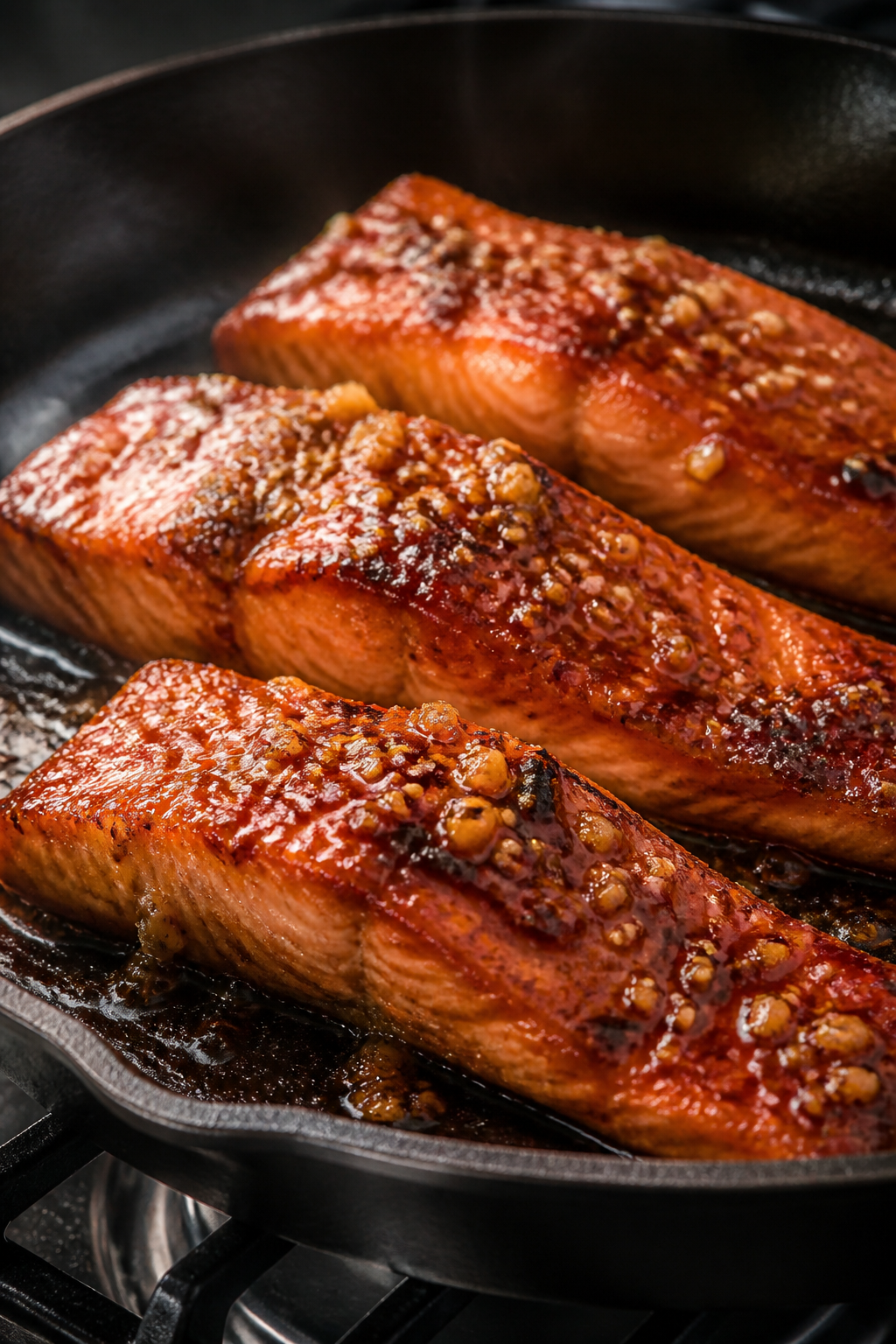
This recipe leans on a simple glaze that does the heavy lifting. Apricot preserves bring bright fruitiness, while honey adds smooth sweetness that caramelizes under high heat. A touch of soy sauce balances everything with salt and umami. Garlic and ginger keep the flavor fresh instead of cloying, and a quick blast under the broiler gives that lightly charred finish.
The salmon stays tender because it cooks fast and isn’t drowned in sauce until the end.
What You’ll Need
- Salmon fillets (4 portions, 5–6 ounces each, skin-on or skinless)
- Apricot preserves (1/3 cup; choose one without corn syrup if possible)
- Honey (2 tablespoons)
- Soy sauce or tamari (1 tablespoon)
- Dijon mustard (1 teaspoon; adds gentle tang)
- Fresh garlic (2 cloves, finely minced)
- Fresh ginger (1 teaspoon, finely grated; optional but recommended)
- Rice vinegar or apple cider vinegar (1 teaspoon)
- Red pepper flakes (a pinch, optional for heat)
- Olive oil or avocado oil (1 tablespoon)
- Kosher salt and black pepper
- Lemon (1, for finishing)
- Sesame seeds and sliced scallions (optional garnish)
Instructions
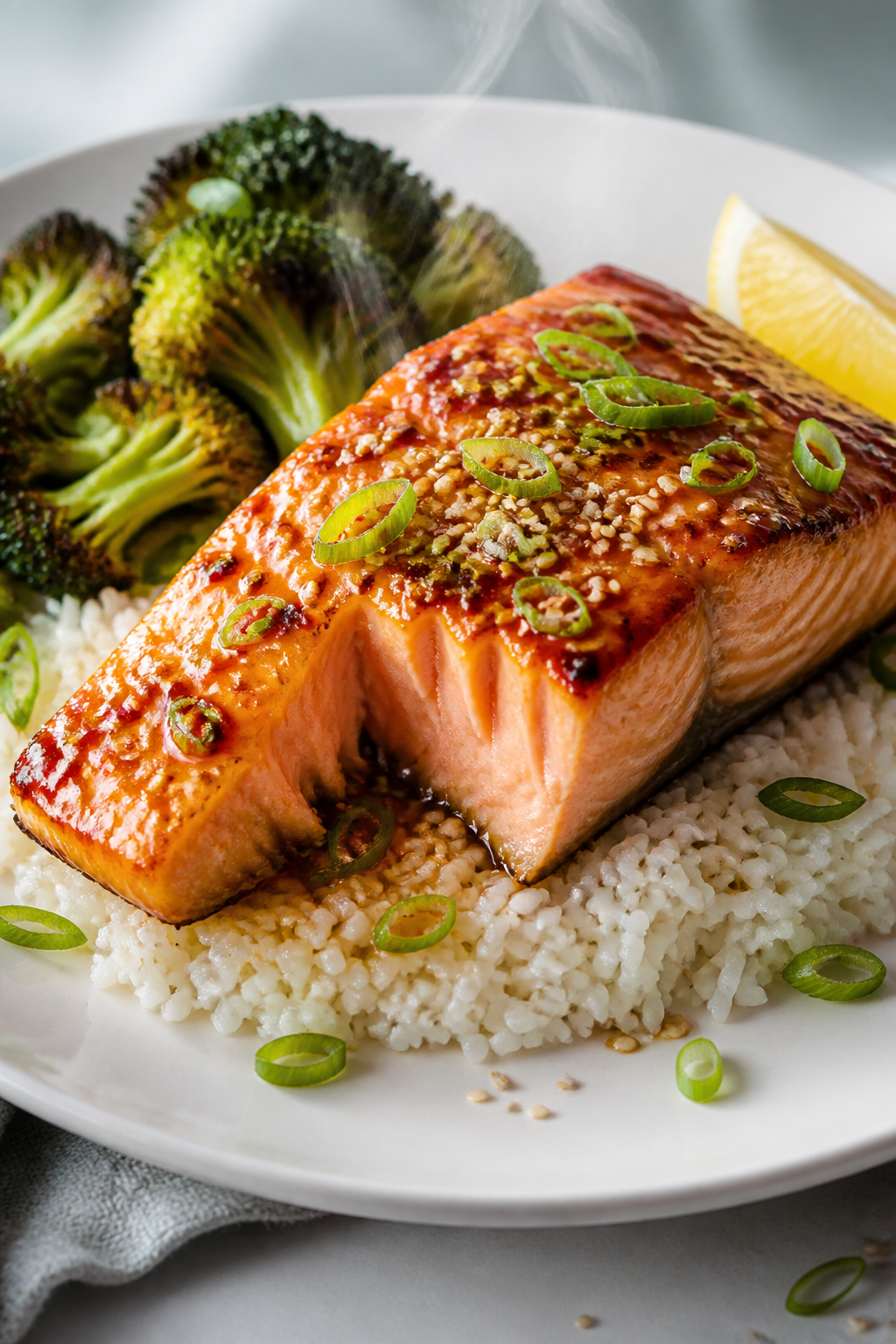
- Prep the oven and pan: Heat your oven to 400°F (200°C). Line a sheet pan with foil or parchment for easy cleanup. Lightly oil the surface so the salmon won’t stick.
- Pat the salmon dry: Use paper towels to remove excess moisture.
This helps the fish sear and the glaze cling. Season lightly with salt and pepper on both sides.
- Make the glaze: In a small bowl, mix apricot preserves, honey, soy sauce, Dijon, garlic, ginger, vinegar, and red pepper flakes. Stir until smooth.
Taste and adjust—add a pinch more salt or a squeeze of lemon if you want extra brightness.
- Start with a quick sear (optional but great): Heat a large oven-safe skillet over medium-high with the oil. Place salmon skin-side down if using skin-on. Sear 2 minutes to get color.
If skipping the skillet, place fish directly on the prepared sheet pan.
- Glaze generously: Brush about two-thirds of the apricot honey mixture over the tops and sides of the salmon, reserving the rest for finishing.
- Roast to tender: Transfer to the oven and cook 7–10 minutes, depending on thickness. You’re aiming for flaky edges and a slightly translucent center. Internal temp should be around 125–130°F (52–54°C) for medium.
- Optional broil for char: Switch to broil for 1–2 minutes to caramelize the glaze.
Watch closely to avoid burning—the sugars go from perfect to scorched fast.
- Finish and rest: Remove from the oven. Brush with the remaining glaze and let rest 3 minutes. Squeeze a little fresh lemon juice over the top to wake up the flavors.
- Garnish and serve: Sprinkle with sesame seeds and sliced scallions if you like.
Serve with steamed rice, quinoa, roasted broccoli, or a simple cucumber salad.
How to Store
Let leftovers cool to room temperature, then store in an airtight container. Refrigerate for up to 3 days. To reheat, warm gently in a 275°F (135°C) oven for 8–10 minutes or microwave in short bursts at 50% power, just until heated through. Avoid high heat to keep the salmon from drying out. The glaze thickens in the fridge; add a splash of water or lemon when reheating to loosen it.
Health Benefits
- Omega-3 fats: Salmon is rich in EPA and DHA, which support heart, brain, and joint health.
- High-quality protein: A serving packs complete protein for muscle repair and steady energy.
- Antioxidants: Apricots contain beta-carotene and vitamin C, which help reduce oxidative stress.
- Balanced approach: Honey adds natural sweetness; pairing it with protein and healthy fats helps keep blood sugar swings in check compared to sugary mains alone.
What Not to Do
- Don’t overcook the fish. Dry salmon is the fastest way to ruin this dish.
Pull it when it’s just opaque with a slightly translucent center.
- Don’t skip the acid. A touch of vinegar in the glaze and lemon at the end keep the sweetness balanced.
- Don’t broil unattended. The glaze can burn in seconds. Stay close and watch.
- Don’t use cold salmon straight from the fridge. Let it sit out 10–15 minutes for even cooking.
- Don’t drown the fish in glaze early. Brush most on before roasting, but save some for a glossy finish after baking.
Recipe Variations
- Grilled version: Oil the grates well and grill over medium heat, skin-side down, lid closed, 6–8 minutes. Brush glaze during the last few minutes to prevent flare-ups.
Finish with more glaze off the heat.
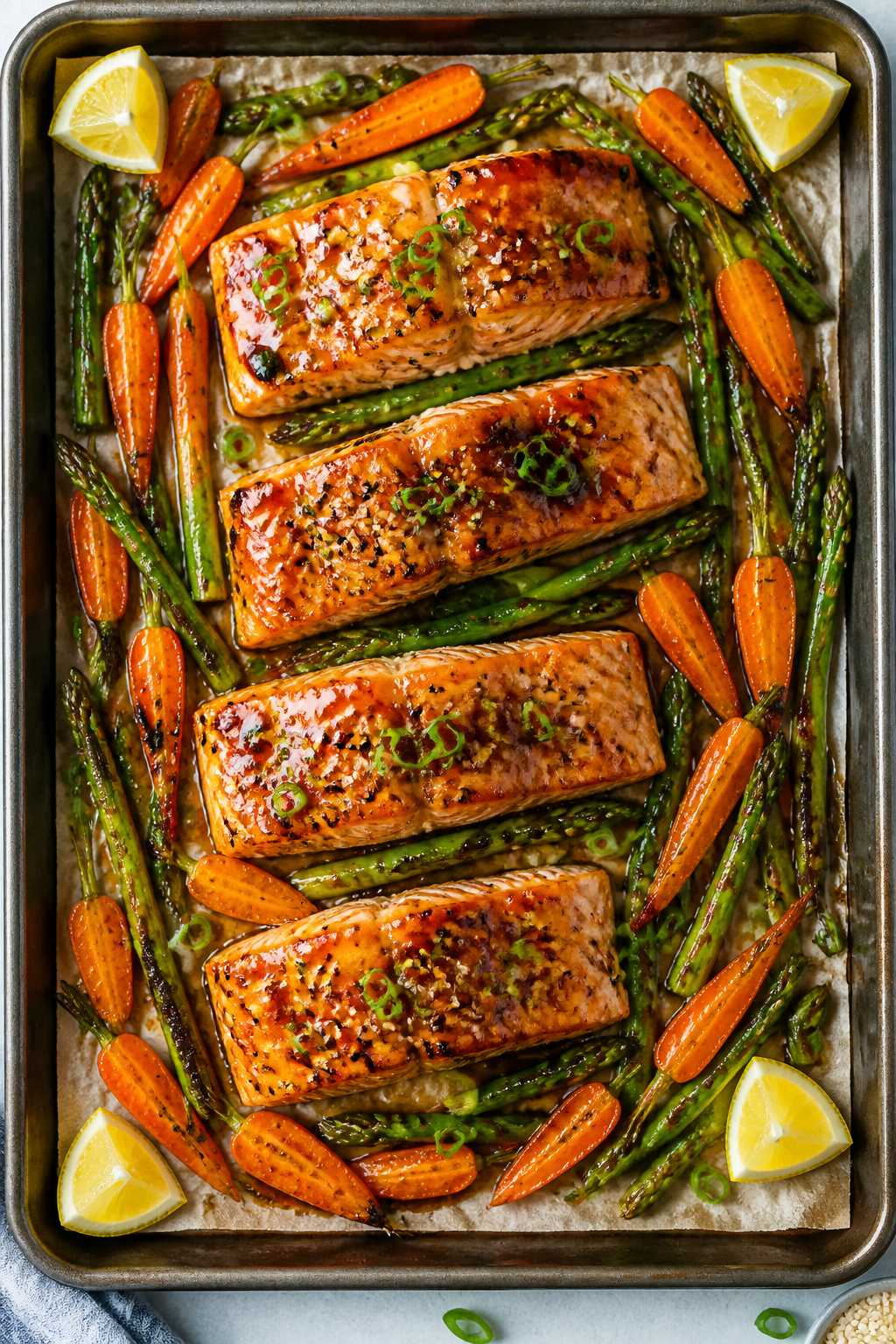
- Sheet-pan dinner: Roast salmon alongside asparagus, snap peas, or halved baby carrots. Toss veggies with oil, salt, and pepper. Start the vegetables 8 minutes ahead, then add the salmon.
- Spicy apricot sriracha: Swap red pepper flakes for 1–2 teaspoons sriracha or gochujang for a sweet-heat kick.
- Herb twist: Add minced fresh thyme or tarragon to the glaze.
Both play nicely with apricot.
- Citrus swap: Replace vinegar with orange juice and zest for a rounder, softer tang.
- Air fryer: Cook at 370°F (188°C) for 8–10 minutes, brushing with glaze at the start and again halfway through.
- No-soy option: Use coconut aminos and add a pinch of salt to compensate for lower salinity.
FAQ
Can I use frozen salmon?
Yes. Thaw it overnight in the fridge, then pat very dry before seasoning. If you’re short on time, submerge the sealed fillets in cold water for 30–45 minutes, changing the water once.
Stop wondering what's for dinner.
Get 7 healthy, family-friendly dinners complete with recipes and simple meal plans delivered straight to your inbox.
Dry thoroughly so the glaze sticks.
What if I don’t have apricot preserves?
Peach or orange marmalade works well. You can also simmer dried apricots with a splash of water and honey, then mash into a quick jam. Keep the sweet-tangy balance with a little vinegar or lemon.
How do I know when the salmon is done without a thermometer?
Press the thickest part gently with a fork.
It should flake but still feel moist. The color shifts from deep translucent to lighter pink, with a hint of gloss in the center. Start checking at 7 minutes.
Can I make the glaze ahead?
Absolutely.
Mix it up to 5 days in advance and refrigerate in a sealed jar. Bring to room temperature before using so it spreads easily. If it’s too thick, whisk in a teaspoon of water or lemon juice.
Is this recipe very sweet?
It’s pleasantly sweet but balanced by soy, mustard, garlic, ginger, and lemon.
For less sweetness, reduce the honey by half and add an extra teaspoon of vinegar or lemon juice. The broil step also adds a slight bitter char that balances the sugars.
Can I use skin-on salmon?
Yes, and it helps keep the fish moist. Cook skin-side down for most of the time.
The skin may crisp in a skillet; on a sheet pan, it will protect the flesh and peel off easily after cooking.
What sides go best with this?
Steamed jasmine rice, garlicky sautéed green beans, roasted Brussels sprouts, or a simple arugula salad with lemon vinaigrette all pair nicely. The goal is something fresh or neutral to balance the glaze.
How can I make it gluten-free?
Use tamari or certified gluten-free soy sauce and check that your mustard and preserves are gluten-free. Everything else in the recipe is naturally gluten-free.
Wrapping Up
Apricot Honey Salmon is that ideal mix of simple and special.
The glaze is quick, the cook time is short, and the results feel polished enough for guests. Keep a jar of apricot preserves on hand and this becomes an easy weeknight standby. Once you’ve nailed the timing for your oven, it’s almost foolproof.
Sweet, savory, and bright—this one earns a spot in regular rotation.
Printable Recipe Card
Want just the essential recipe details without scrolling through the article? Get our printable recipe card with just the ingredients and instructions.
Loved This Recipe?
If you're looking for more simple, healthy dinners your family will actually eat, grab my FREE 7-Day Easy Dinner Reset. You'll get 7 easy dinner recipes, simple grocery lists, and a done-for-you plan that takes the stress out of mealtime.