Sticky Asian Glazed Salmon – A Fast, Flavor-Packed Weeknight Winner
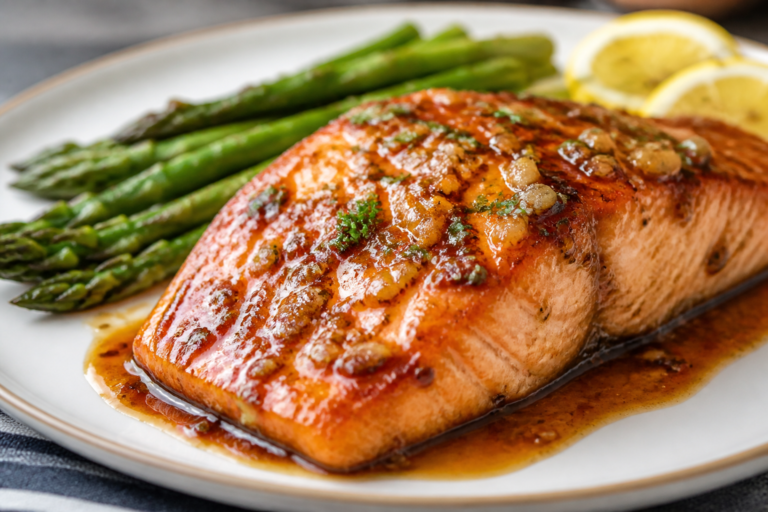
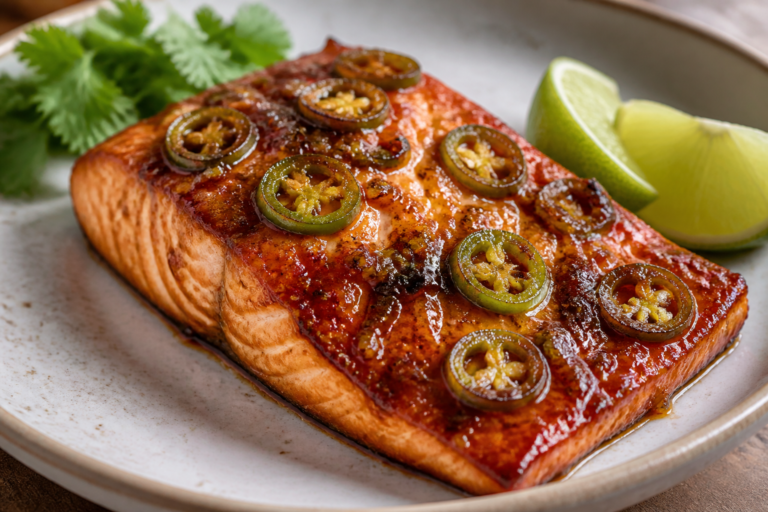
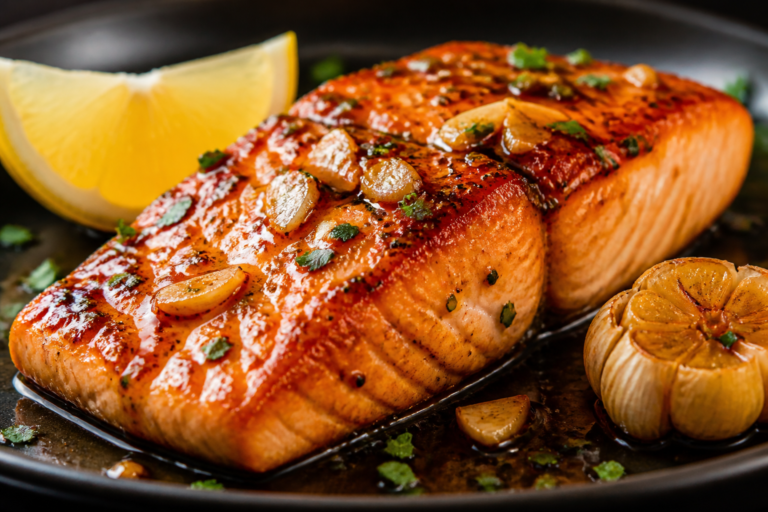
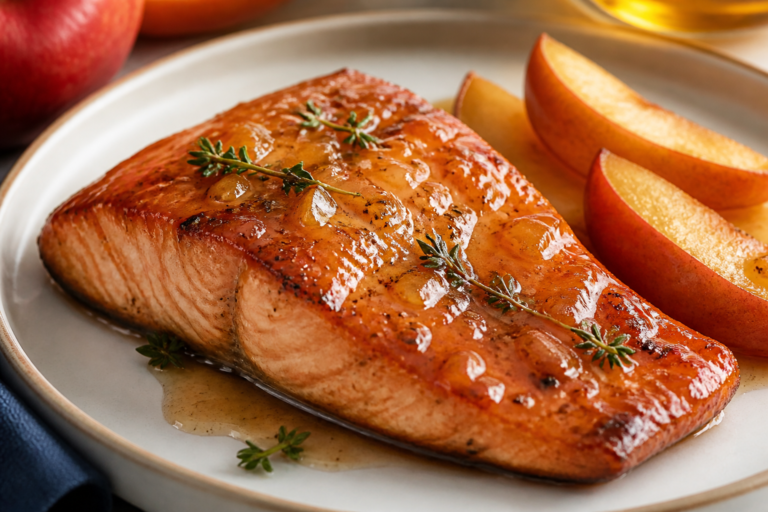
This Sticky Asian Glazed Salmon is sweet, savory, and just a little spicy—the kind of dish that makes a regular weeknight feel special. The glaze caramelizes in the oven and clings to the salmon, giving you tender fish with a glossy finish. It’s a low-effort recipe that tastes like takeout, but you can make it in under 30 minutes.
FREE 7-Day Easy Dinner Reset
FREE 7-Day Easy Dinner Reset
Pair it with rice, noodles, or a crisp salad and you’ve got a balanced, crowd-pleasing meal. If you’re new to cooking fish at home, this is a forgiving place to start.
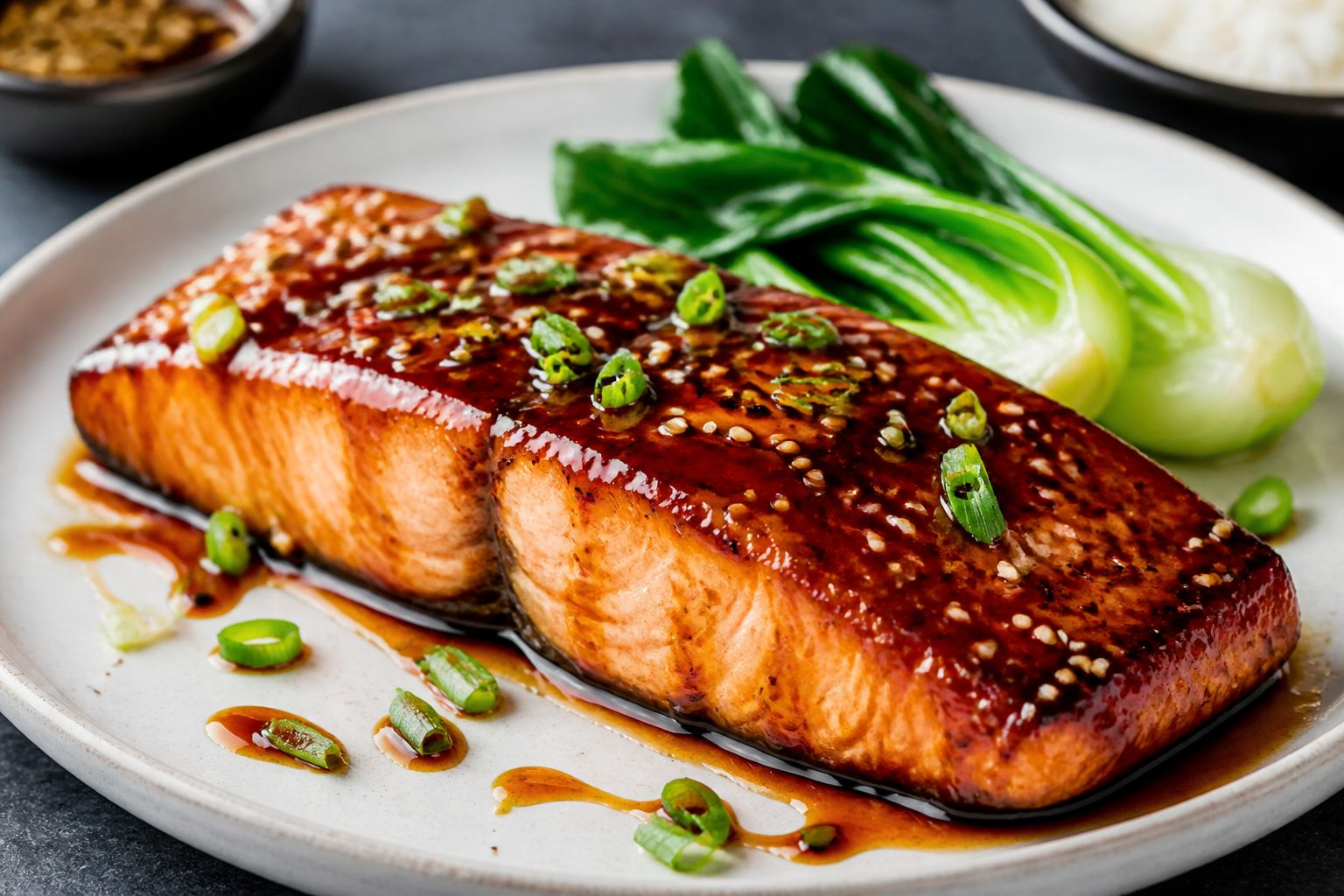
Sticky Asian Glazed Salmon - A Fast, Flavor-Packed Weeknight Winner
Ingredients
Method
- Prep the oven: Heat to 400°F (200°C). Line a baking sheet with foil or parchment for easy cleanup.Lightly oil the surface.
- Make the glaze: In a small bowl, whisk soy sauce, honey, rice vinegar, sesame oil, hoisin (if using), garlic, ginger, and sriracha. Taste and adjust sweetness or heat. It should be slightly bold and salty—the flavor will mellow as it cooks.
- Optional thickener: For an extra-sticky finish, mix cornstarch and water in a separate bowl, then whisk into the glaze.
- Season the salmon: Pat fillets dry with paper towels.Sprinkle lightly with salt and pepper. Place them on the prepared sheet, skin-side down if using skin-on.
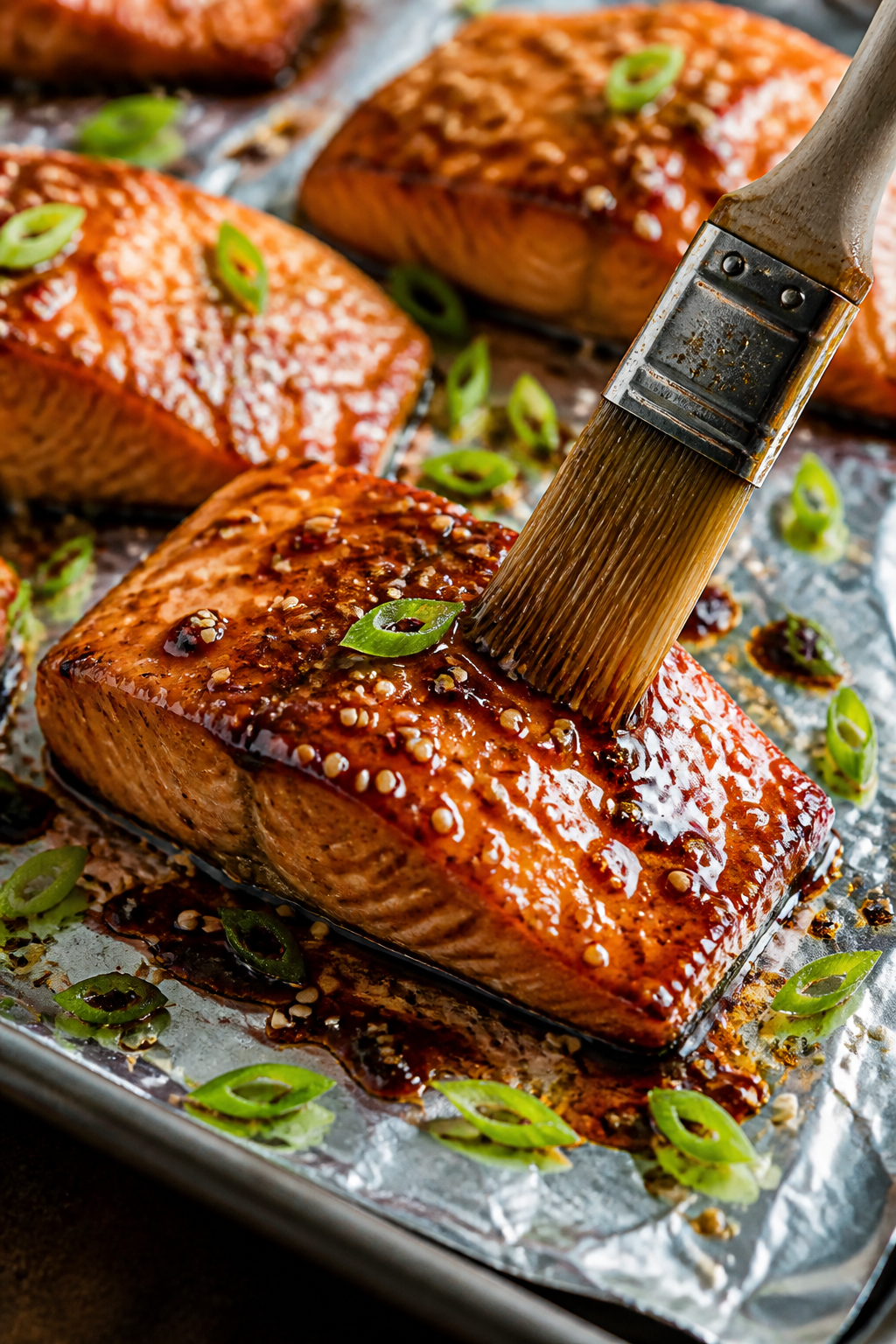
- Brush and bake: Spoon or brush half the glaze over the fish. Bake for 8–10 minutes, depending on thickness.
- Glaze again and finish: Brush on the remaining glaze.Bake 2–4 minutes more, or switch to broil for 1–2 minutes to caramelize the top. Watch closely so the sugars don’t burn.
- Check doneness: The salmon should flake easily with a fork and be just opaque in the center. Aim for an internal temp of 125–130°F (52–54°C) for medium.
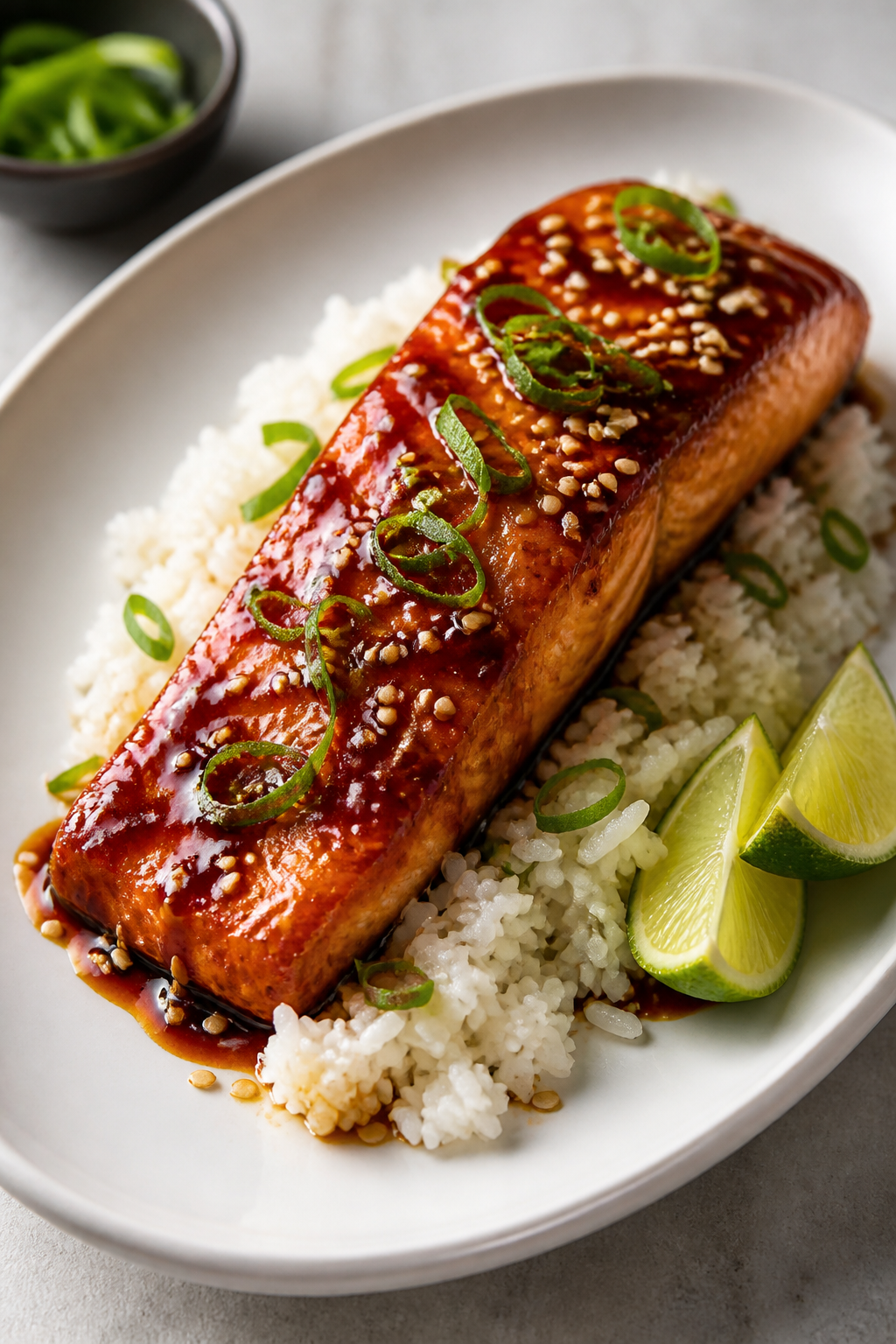
- Garnish and serve: Sprinkle with sesame seeds and green onions.Add lime wedges on the side. Serve with jasmine rice, stir-fried veggies, or a sesame slaw.
Why This Recipe Works
- Balanced glaze: Soy sauce, honey (or brown sugar), garlic, and ginger create the perfect salty-sweet base with bright acidity from rice vinegar.
- Quick caramelization: A short blast in a hot oven or under the broiler helps the sugars bubble and cling, giving that sticky finish.
- Moist, flaky fish: Salmon’s natural fat keeps it tender, even if you’re slightly off on the timing.
- Flexible heat level: Chili flakes or sriracha let you choose how spicy you want it.
- Pantry-friendly: Most ingredients are everyday staples, and you can swap easily if needed.
Ingredients
- 4 salmon fillets (about 5–6 ounces each), skin-on or skinless
- 2 tablespoons low-sodium soy sauce (or tamari for gluten-free)
- 2 tablespoons honey (or brown sugar)
- 1 tablespoon rice vinegar (or lime juice)
- 1 tablespoon toasted sesame oil
- 1 tablespoon hoisin sauce (optional for extra body and sweetness)
- 2 cloves garlic, finely minced
- 1 tablespoon fresh ginger, finely grated
- 1–2 teaspoons sriracha or 1/2 teaspoon red pepper flakes (to taste)
- 1 teaspoon cornstarch (optional, for a thicker glaze)
- 1 tablespoon water (if using cornstarch)
- Salt and black pepper, to taste
- 2 teaspoons sesame seeds, for garnish
- 2 green onions, thinly sliced, for garnish
- Lime wedges, for serving (optional)
How to Make It
- Prep the oven: Heat to 400°F (200°C). Line a baking sheet with foil or parchment for easy cleanup.
Lightly oil the surface.
- Make the glaze: In a small bowl, whisk soy sauce, honey, rice vinegar, sesame oil, hoisin (if using), garlic, ginger, and sriracha. Taste and adjust sweetness or heat. It should be slightly bold and salty—the flavor will mellow as it cooks.
- Optional thickener: For an extra-sticky finish, mix cornstarch and water in a separate bowl, then whisk into the glaze.
- Season the salmon: Pat fillets dry with paper towels.
Sprinkle lightly with salt and pepper. Place them on the prepared sheet, skin-side down if using skin-on.
- Brush and bake: Spoon or brush half the glaze over the fish. Bake for 8–10 minutes, depending on thickness.
- Glaze again and finish: Brush on the remaining glaze.
Bake 2–4 minutes more, or switch to broil for 1–2 minutes to caramelize the top. Watch closely so the sugars don’t burn.
- Check doneness: The salmon should flake easily with a fork and be just opaque in the center. Aim for an internal temp of 125–130°F (52–54°C) for medium.
- Garnish and serve: Sprinkle with sesame seeds and green onions.
Add lime wedges on the side. Serve with jasmine rice, stir-fried veggies, or a sesame slaw.
Keeping It Fresh
- Storage: Cool completely, then store in an airtight container in the fridge for up to 3 days.
- Reheating: Warm gently at 275–300°F (135–150°C) for 8–10 minutes, or microwave in short bursts at 50% power. Don’t overheat—salmon dries quickly.
- Freezing: Cooked glazed salmon freezes well for up to 2 months.
Wrap tightly to prevent freezer burn. Thaw overnight in the fridge.
- Leftover ideas: Flake into rice bowls, add to cold noodle salads, or tuck into lettuce wraps with cucumbers and a drizzle of extra sauce.
Health Benefits
- Omega-3 fats: Salmon is rich in EPA and DHA, which support heart, brain, and joint health.
- High-quality protein: Each serving delivers satisfying protein to keep you full and help with muscle repair.
- Micronutrients: Salmon provides B vitamins, selenium, and potassium. Ginger and garlic add antioxidants and anti-inflammatory compounds.
- Smart sodium swaps: Using low-sodium soy sauce and balancing with acid keeps flavor high without overdoing the salt.
Common Mistakes to Avoid
- Overcooking: Pull the salmon when it’s just turning opaque and flakes easily.
A minute too long can dry it out.
- Skipping the pat-dry: Moisture on the surface prevents caramelization. Dry fish takes glaze better.
- Neglecting balance: If your glaze is too salty, add honey or a splash of water. If too sweet, add rice vinegar or lime.
- Using high heat too soon: Broil at the very end.
Starting under the broiler can burn the sugars before the fish cooks.
- Not lining the pan: The glaze can stick and scorch. Foil or parchment saves your sanity.
Alternatives
- Protein swaps: Try trout, cod, or chicken thighs. Adjust cook time—cod cooks a bit faster; chicken takes longer.
- Sugar options: Use maple syrup, agave, or coconut sugar in place of honey.
- Gluten-free: Use tamari or coconut aminos instead of soy sauce, and check hoisin labels or skip it.
- No sesame oil: Substitute neutral oil and add a few drops of sesame seeds at the end for aroma.
- Air fryer method: Cook at 380°F (193°C) for 7–10 minutes, brushing with glaze twice.
Line the basket with parchment for easy cleanup.
- Stovetop method: Sear salmon in a lightly oiled skillet, flesh-side down, 2–3 minutes. Flip, reduce heat, pour in glaze, and simmer until thick and sticky.
FAQ
Can I marinate the salmon ahead of time?
Stop wondering what's for dinner.
Get 7 healthy, family-friendly dinners complete with recipes and simple meal plans delivered straight to your inbox.
Yes, but keep it short. Marinate for 15–30 minutes in the fridge.
Longer can make the texture mushy because of the acid and salt.
What if I don’t have fresh ginger?
Use 1/2 teaspoon ground ginger or 1 teaspoon jarred ginger. Fresh has brighter flavor, but the swaps work in a pinch.
How do I know when salmon is done without a thermometer?
Press the thickest part with a fork. If it flakes easily and the center is just opaque with a slight sheen, it’s done.
Pull it a bit early; carryover heat will finish it.
Can I make the glaze separately and store it?
Absolutely. Mix it up to 5 days ahead and keep it in a sealed jar in the fridge. Stir before using.
If it thickens too much, loosen with a splash of water.
Is farmed or wild salmon better for this recipe?
Both work. Wild is leaner and may cook faster; farmed tends to be richer and more forgiving. Adjust timing so you don’t overcook.
What sides go best with sticky salmon?
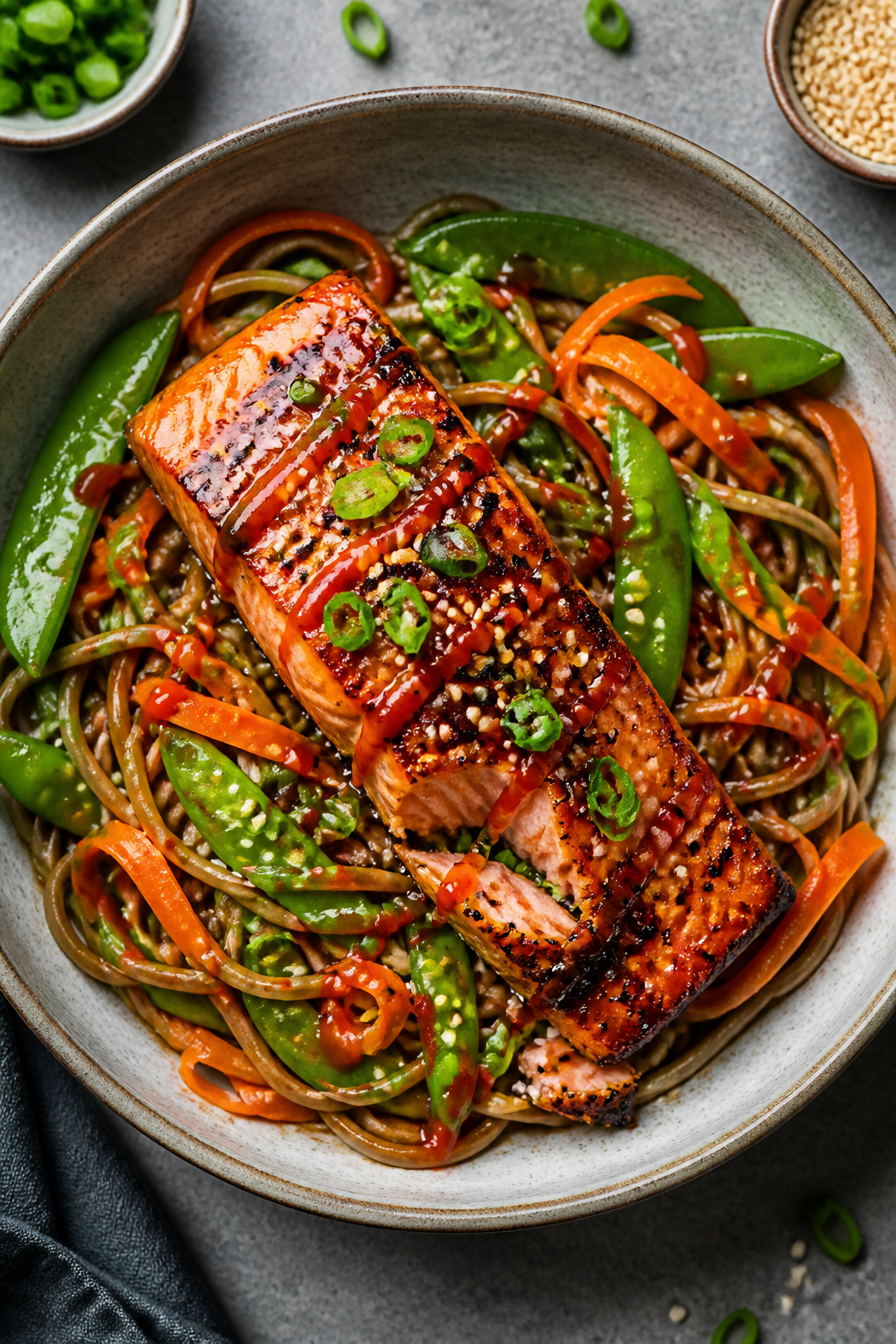
Steamed jasmine rice, coconut rice, garlic green beans, roasted broccoli, sesame cucumber salad, or quick stir-fried snap peas are all great matches.
Can I reduce the sugar?
Yes. Cut the honey to 1 tablespoon and add a bit more vinegar for balance.
The glaze will be less sticky but still flavorful.
How spicy is this recipe?
Mild to medium by default. For no heat, skip the sriracha. For more kick, add extra chili flakes or a dab of chili crisp when serving.
In Conclusion
Sticky Asian Glazed Salmon is the kind of recipe you keep in your back pocket.
It’s fast, flexible, and loaded with flavor that tastes restaurant-worthy without the fuss. Once you’ve made it once, you’ll start tweaking it to your taste—more heat, extra ginger, or a squeeze of lime at the end. Serve it with simple sides and enjoy a meal that feels special any night of the week.
Printable Recipe Card
Want just the essential recipe details without scrolling through the article? Get our printable recipe card with just the ingredients and instructions.
Loved This Recipe?
If you're looking for more simple, healthy dinners your family will actually eat, grab my FREE 7-Day Easy Dinner Reset. You'll get 7 easy dinner recipes, simple grocery lists, and a done-for-you plan that takes the stress out of mealtime.