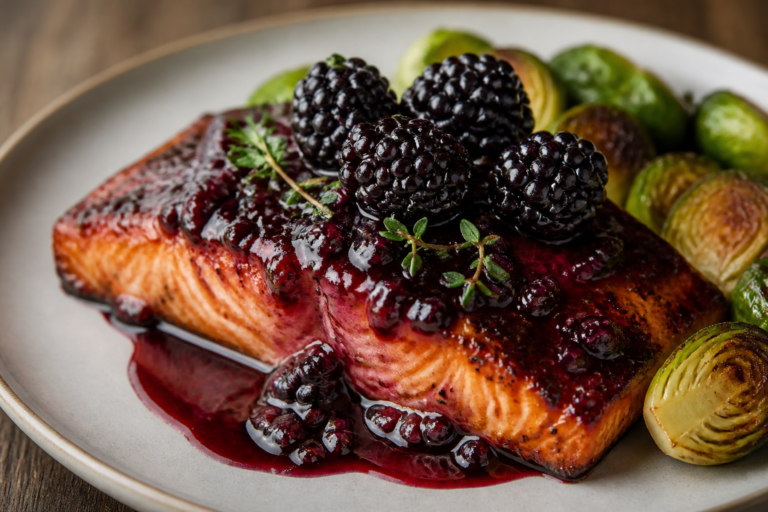
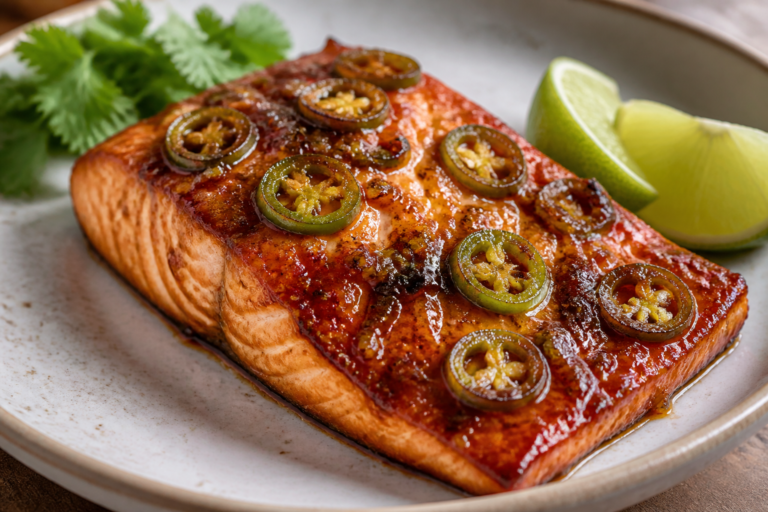
Honey Mustard Glazed Salmon – Easy, Flavorful, Weeknight-Friendly
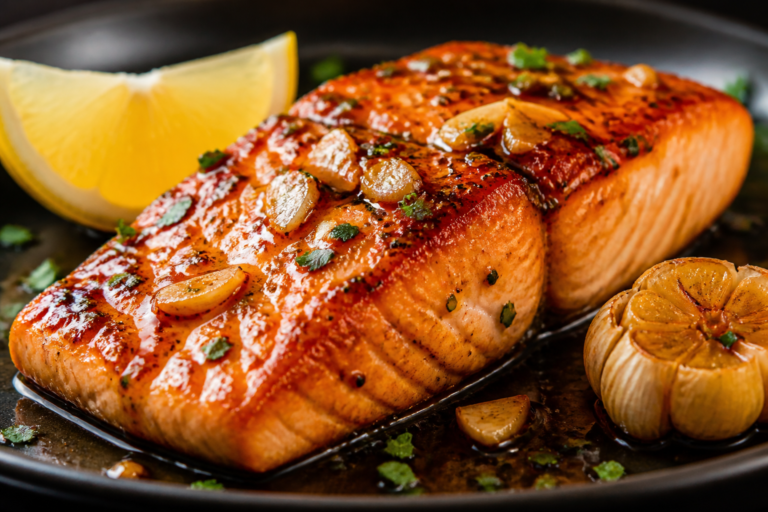
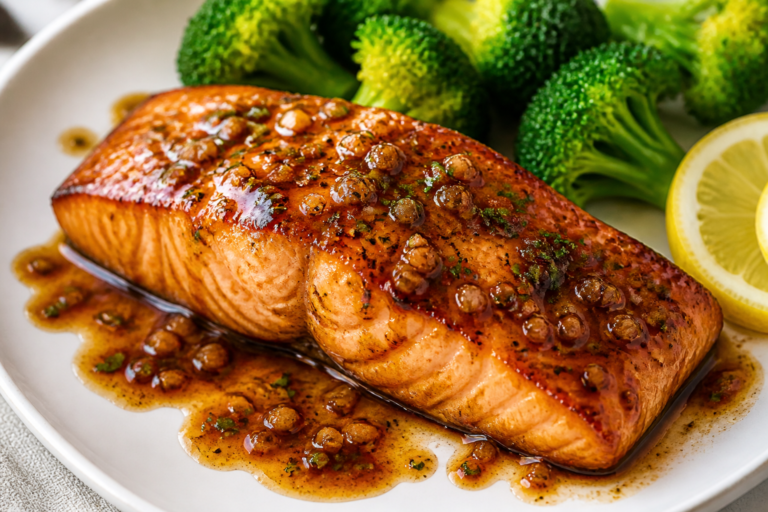
Salmon has a way of making dinner feel special without asking for much effort. This honey mustard glazed version leans on pantry staples to create a shiny, sweet-savory coating that caramelizes beautifully in the oven. It’s quick enough for a Tuesday night, yet polished enough for guests.
FREE 7-Day Easy Dinner Reset
FREE 7-Day Easy Dinner Reset
Serve it with roasted veggies, a simple salad, or fluffy rice, and you’ve got a complete meal that tastes like it took all afternoon. The best part: cleanup is minimal, and the technique is foolproof.
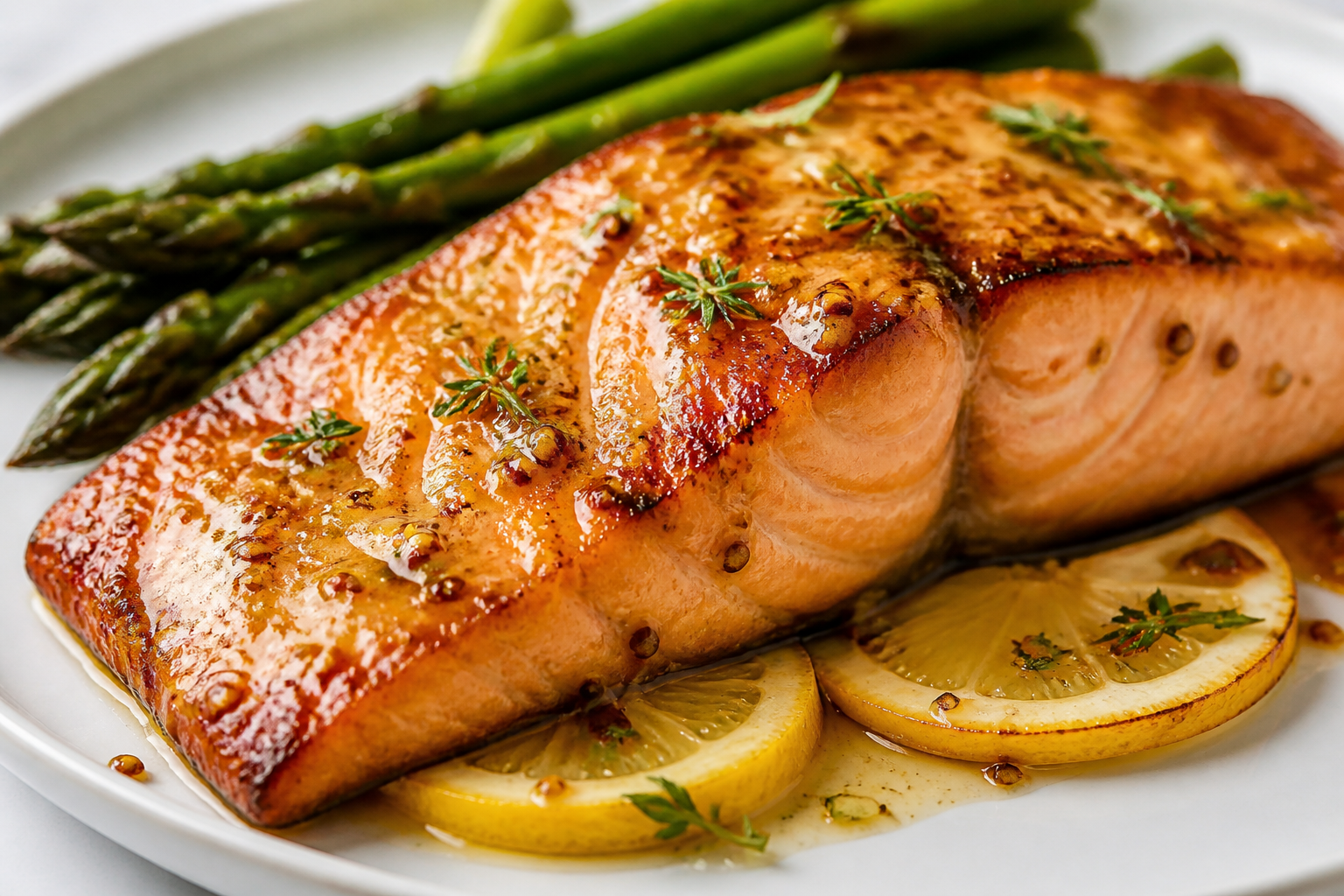
Honey Mustard Glazed Salmon - Easy, Flavorful, Weeknight-Friendly
Ingredients
Method
- Preheat and prep: Heat the oven to 400°F (205°C). Line a sheet pan with foil or parchment and lightly oil it to prevent sticking.
- Pat the salmon dry: Use paper towels to remove excess moisture.This helps the glaze cling and the surface caramelize. Season each fillet with a pinch of salt and pepper.
- Make the glaze: In a small bowl, whisk together Dijon, honey, soy sauce, lemon juice, olive oil, garlic, smoked paprika, and red pepper flakes (if using). Taste and adjust salt or honey to strike a balanced sweet-tangy note.
- First coat: Arrange salmon on the pan, skin-side down if using skin-on fillets.Brush a generous layer of glaze over the tops and sides, reserving about half for later.
- Bake: Place the pan on the middle rack and bake for 8–10 minutes, depending on thickness. The salmon should start to turn opaque around the edges but remain slightly translucent in the center.
- Second coat: Pull the pan out and brush the remaining glaze over the fillets. This builds a glossy, flavorful finish without burning the sugars.
- Broil to finish: Switch the oven to broil and cook for 1–3 minutes.Watch closely. You’re aiming for light blistering and caramelization on top, not char.
- Check doneness: Salmon is perfect when it flakes easily and looks just set in the center. Target an internal temperature of 125–130°F (52–54°C) for medium, or up to 135°F (57°C) if you prefer more done.
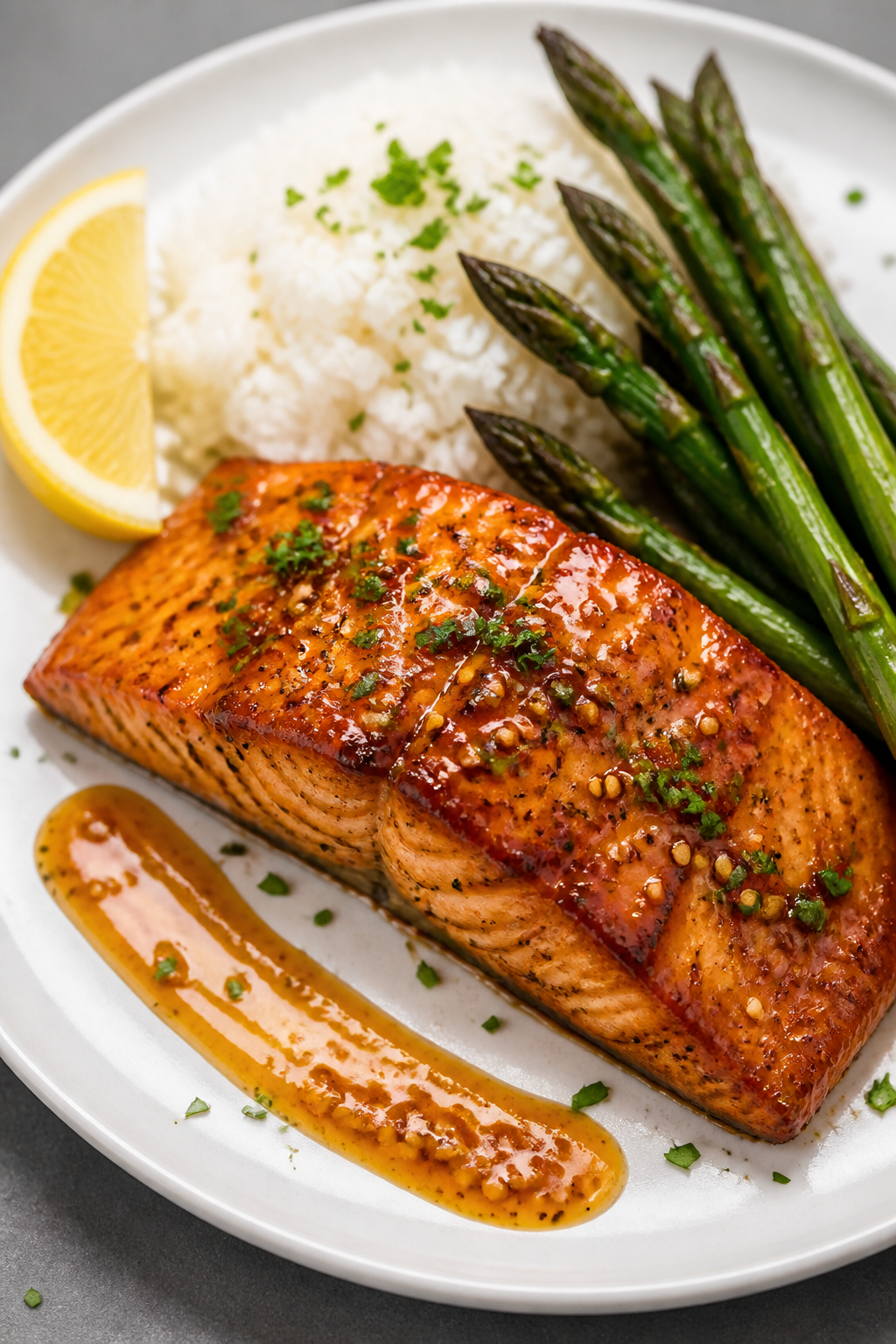
- Rest and serve: Let the salmon rest for 3 minutes to reabsorb juices.Garnish with chopped herbs and serve with lemon wedges. The lemon brightens the glaze and cuts through richness.
Why This Recipe Works
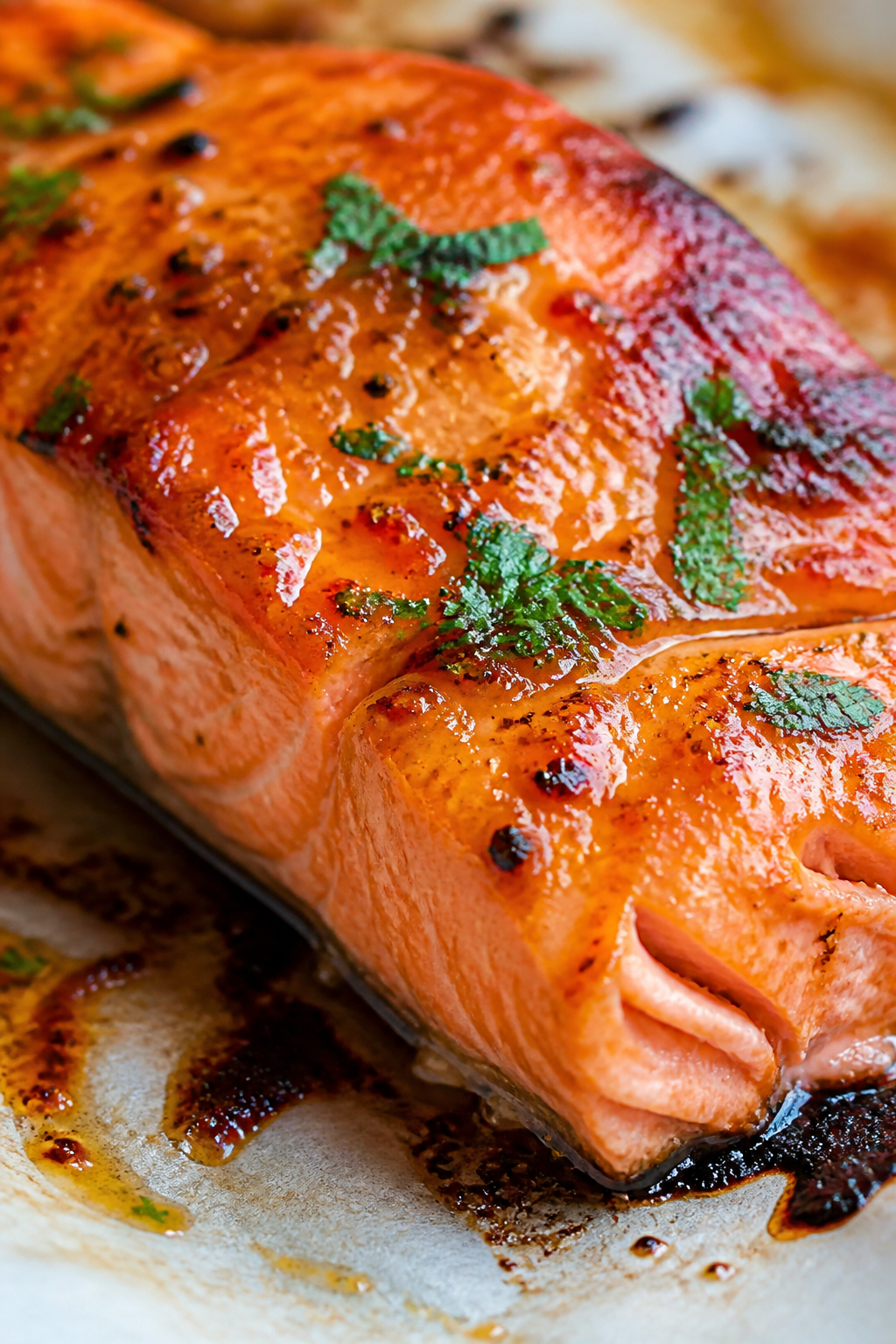
This glaze balances sweet honey with tangy Dijon mustard and a little acid to keep things bright. The contrast plays perfectly with rich salmon.
A quick broil at the end encourages light caramelization, giving the fish a glossy finish and a hint of char.
The recipe uses a short ingredient list, but each one has a job. Garlic and smoked paprika add depth, while a touch of soy sauce boosts savoriness. Brushing half the glaze before baking and the rest right before broiling layers flavor and prevents burning.
Shopping List
- 4 salmon fillets (about 6 ounces each), skin-on or skinless
- 2 1/2 tablespoons Dijon mustard (or whole-grain Dijon)
- 2 tablespoons honey
- 1 tablespoon soy sauce (or tamari for gluten-free)
- 1 tablespoon lemon juice (or apple cider vinegar)
- 1 tablespoon olive oil (plus a little for the pan)
- 2 garlic cloves, finely minced
- 1/2 teaspoon smoked paprika (or sweet paprika)
- 1/4 teaspoon crushed red pepper flakes (optional)
- Kosher salt and freshly ground black pepper
- Lemon wedges, for serving
- Fresh parsley or chives, chopped (optional, for garnish)
How to Make It
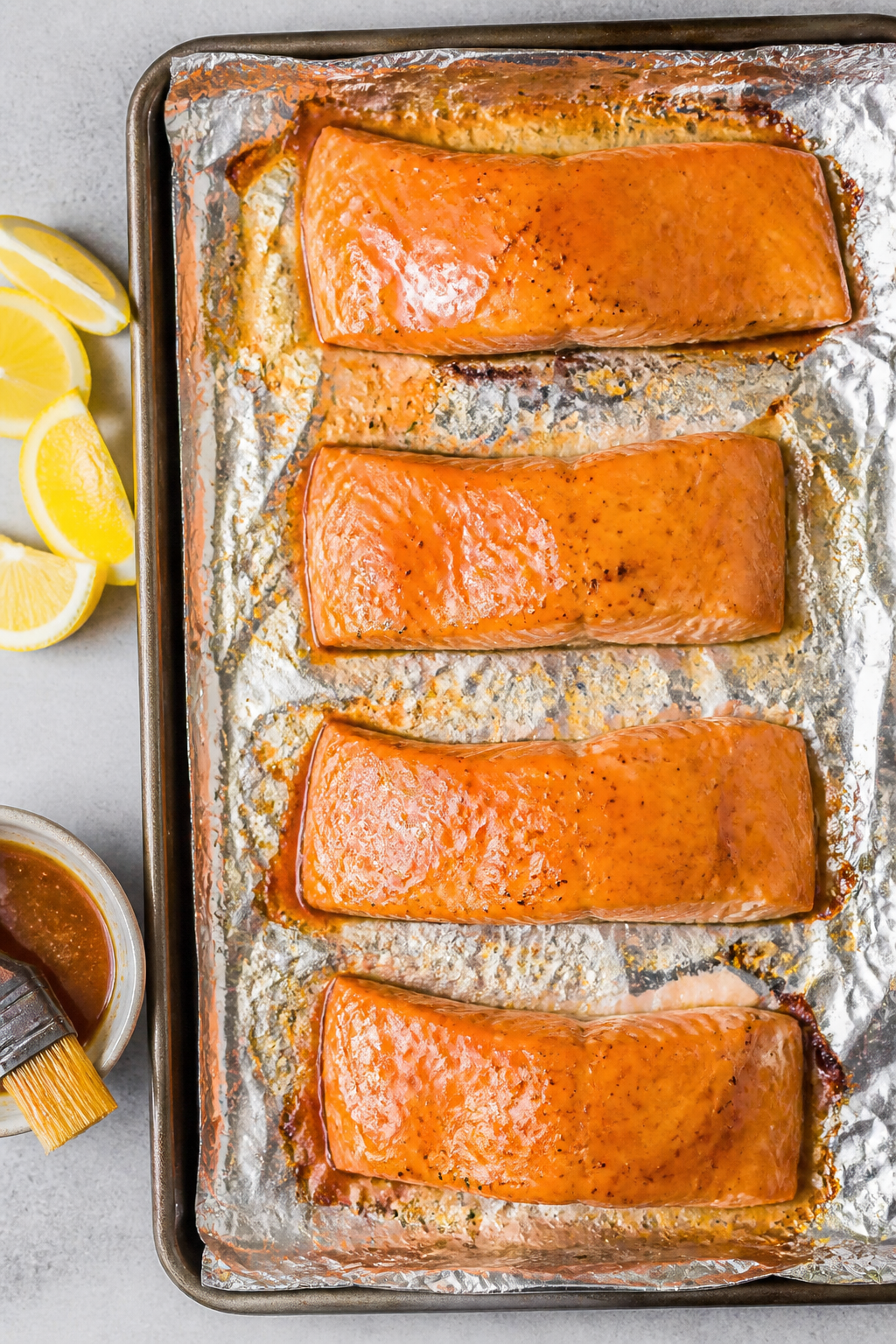
- Preheat and prep: Heat the oven to 400°F (205°C). Line a sheet pan with foil or parchment and lightly oil it to prevent sticking.
- Pat the salmon dry: Use paper towels to remove excess moisture.
This helps the glaze cling and the surface caramelize. Season each fillet with a pinch of salt and pepper.
- Make the glaze: In a small bowl, whisk together Dijon, honey, soy sauce, lemon juice, olive oil, garlic, smoked paprika, and red pepper flakes (if using). Taste and adjust salt or honey to strike a balanced sweet-tangy note.
- First coat: Arrange salmon on the pan, skin-side down if using skin-on fillets.
Brush a generous layer of glaze over the tops and sides, reserving about half for later.
- Bake: Place the pan on the middle rack and bake for 8–10 minutes, depending on thickness. The salmon should start to turn opaque around the edges but remain slightly translucent in the center.
- Second coat: Pull the pan out and brush the remaining glaze over the fillets. This builds a glossy, flavorful finish without burning the sugars.
- Broil to finish: Switch the oven to broil and cook for 1–3 minutes.
Watch closely. You’re aiming for light blistering and caramelization on top, not char.
- Check doneness: Salmon is perfect when it flakes easily and looks just set in the center. Target an internal temperature of 125–130°F (52–54°C) for medium, or up to 135°F (57°C) if you prefer more done.
- Rest and serve: Let the salmon rest for 3 minutes to reabsorb juices.
Garnish with chopped herbs and serve with lemon wedges. The lemon brightens the glaze and cuts through richness.
Storage Instructions
Store leftovers in an airtight container in the fridge for up to 3 days. Reheat gently in a 275°F (135°C) oven for 8–10 minutes or until warmed through.
Avoid high heat, which can dry the fish.
For meal prep, portion salmon with rice or quinoa and steamed greens. If freezing, wrap tightly and freeze for up to 2 months. Thaw overnight in the fridge and reheat low and slow to preserve texture.
Benefits of This Recipe
- Quick and reliable: From start to finish, you’re looking at about 20–25 minutes.
The method is straightforward and repeatable.
- Nutrient-rich: Salmon is loaded with protein and omega-3s. The glaze uses real ingredients you likely have on hand.
- Flexible: Works with any salmon cut—fillets, sides, or even salmon portions from the freezer once thawed.
- Balanced flavor: Sweet, tangy, salty, and a hint of heat make it crowd-pleasing without being heavy.
- Minimal cleanup: One pan, one bowl, and you’re done.
What Not to Do
- Don’t skip drying the fish: Excess moisture prevents browning and makes the glaze slide off.
- Don’t broil unattended: The sugars in honey can burn fast. Keep the door slightly ajar and watch closely.
- Don’t overcook: Dry salmon loses its silky texture.
Pull it when it’s just set and let carryover heat finish the job.
- Don’t use only yellow mustard: Classic yellow works in a pinch, but Dijon or whole-grain brings better depth and a smoother finish.
- Don’t drown the fish: Too much glaze can pool and steam the salmon instead of caramelizing. Two thin coats are best.
Recipe Variations
- Maple Mustard: Replace honey with pure maple syrup for a woodsy sweetness. Add a tiny pinch of cayenne for contrast.
- Herb Crust: Stir 1–2 tablespoons of finely chopped parsley, dill, or tarragon into the glaze.
Sprinkle extra herbs on top after broiling.
- Ginger-Garlic Twist: Add 1 teaspoon freshly grated ginger and a splash of rice vinegar. Serve with jasmine rice and sesame seeds.
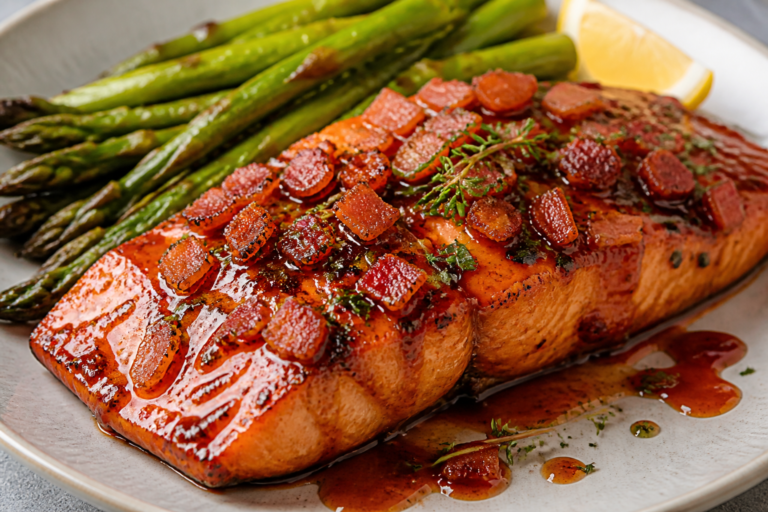
- Sheet Pan Supper: Arrange asparagus, broccolini, or halved baby carrots on the same pan. Toss veggies with olive oil, salt, and pepper.
Start the veggies 8 minutes earlier, then add the salmon.
- Grilled Version: Grill over medium heat, skin-side down. Brush glaze during the last few minutes to avoid flare-ups, and finish with a quick sear top-side for color.
- Air Fryer Option: Cook at 390°F (200°C) for 7–10 minutes, adding the second glaze coat and finishing for 1 minute to set.
Stop wondering what's for dinner.
Get 7 healthy, family-friendly dinners complete with recipes and simple meal plans delivered straight to your inbox.
FAQ
Can I use frozen salmon?
Yes. Thaw it overnight in the fridge, then pat very dry.
Frozen fillets can release extra moisture, so drying is key for good caramelization.
What’s the best salmon to buy?
Look for fresh, firm fillets with a mild smell and vibrant color. Both wild and farmed work; choose what fits your budget. If using a whole side, add 2–4 minutes to cook time.
Is there a substitute for soy sauce?
Use tamari for gluten-free or coconut aminos for a slightly sweeter, less salty profile.
You can also add a pinch of salt to taste if using coconut aminos.
Can I make it without garlic?
Absolutely. Skip the garlic and rely on the mustard and smoked paprika for depth. A small pinch of onion powder can step in for background flavor.
How do I know when salmon is done without a thermometer?
Gently press the thickest part with a fork.
If it flakes easily and is just barely opaque, it’s ready. It will continue to cook a little after you pull it from the oven.
What sides go well with this?
Roasted asparagus, garlicky green beans, lemony couscous, or a simple arugula salad pair well. For something cozy, serve with mashed potatoes or brown rice.
Can I prepare the glaze ahead?
Yes.
Mix it up to 3 days in advance and store in the fridge. Stir before using, as the honey and mustard can separate slightly.
How can I make it spicier?
Add extra red pepper flakes or a squeeze of sriracha to the glaze. A light dusting of cayenne after broiling also works.
Wrapping Up
This honey mustard glazed salmon brings big flavor with minimal work.
The sweet-tangy glaze complements the richness of the fish, and the method keeps it moist and tender. Once you make it a couple of times, you’ll have the timing down and can riff with herbs, citrus, or a little heat. Keep this recipe in your weeknight rotation, and dinner will feel both easy and a little special, every time.
Printable Recipe Card
Want just the essential recipe details without scrolling through the article? Get our printable recipe card with just the ingredients and instructions.
Loved This Recipe?
If you're looking for more simple, healthy dinners your family will actually eat, grab my FREE 7-Day Easy Dinner Reset. You'll get 7 easy dinner recipes, simple grocery lists, and a done-for-you plan that takes the stress out of mealtime.